
 English
 Español
 عربى
عربى Türk
Türk
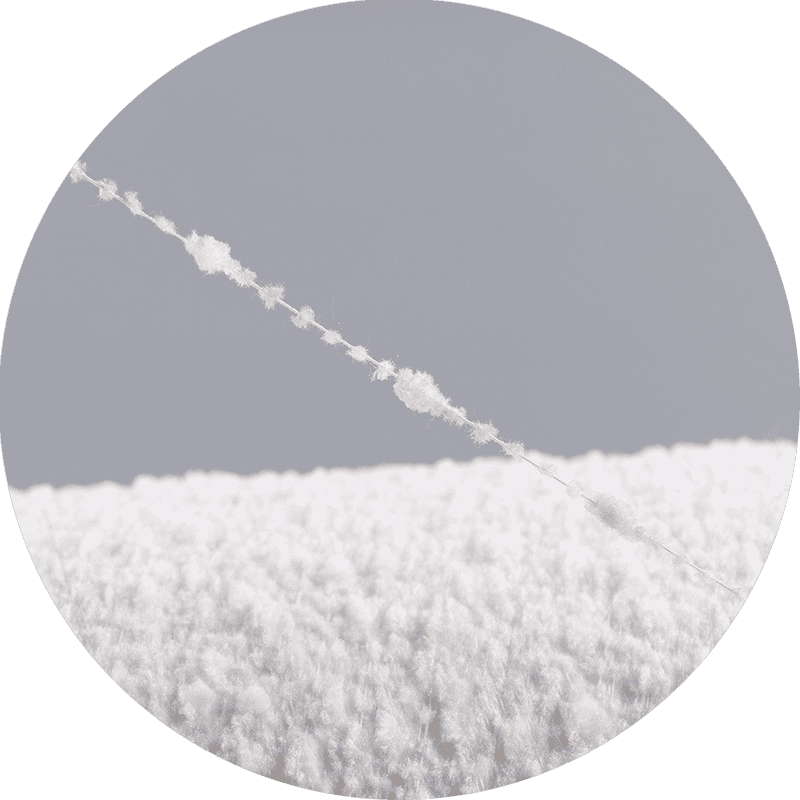
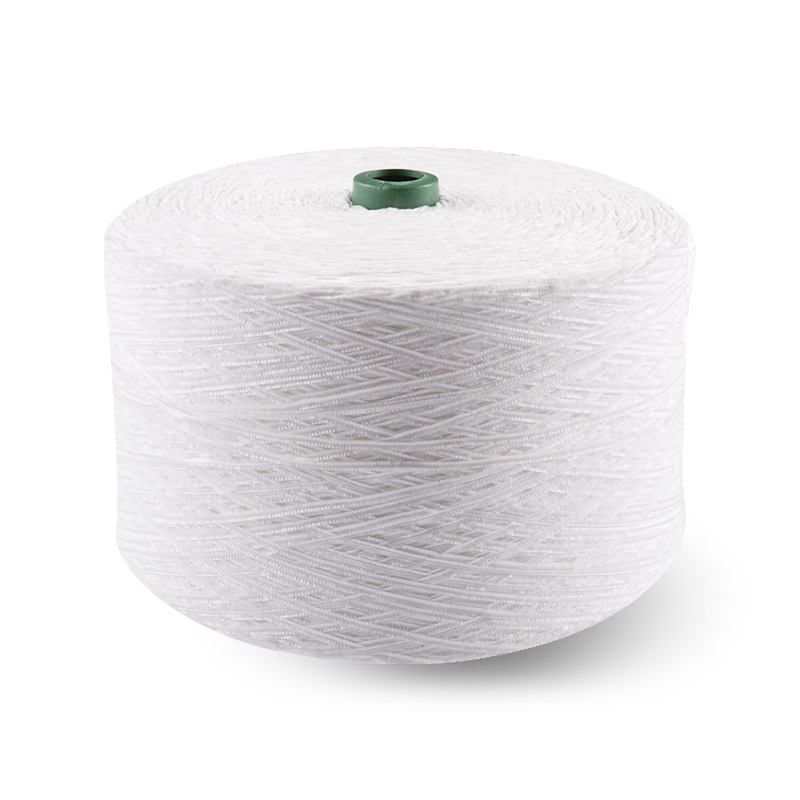
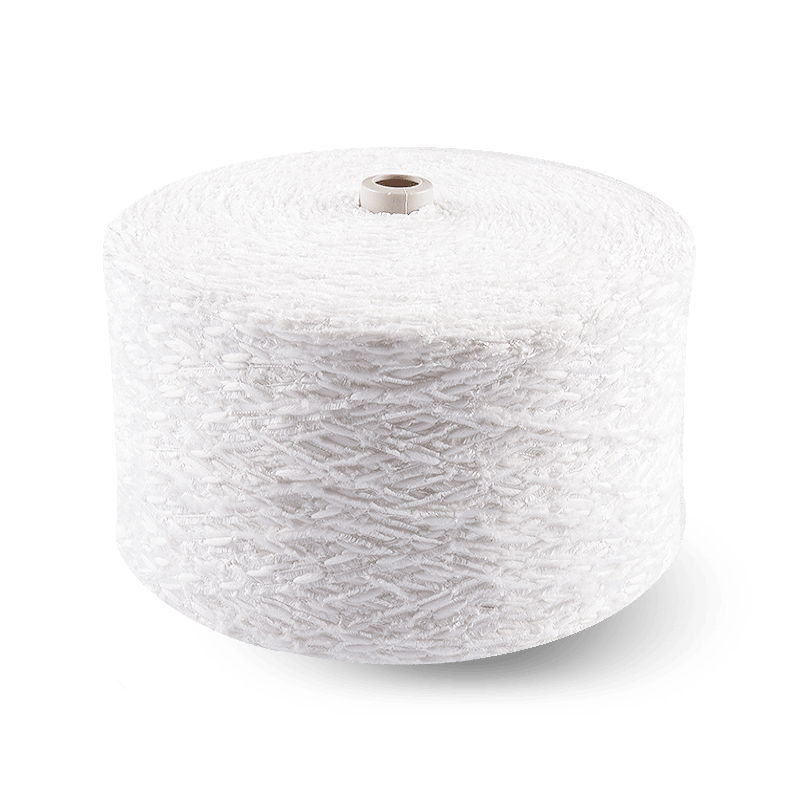
Loop yarn is a kind of fancy yarn, generally composed of core yarn, pressure yarn (sometimes also ca...

 2026.09.21
 Industry News
Content
You are developing a sofa fabric for a mid-range furniture line, and the brief calls for something with visible surface depth that still performs like a heavy-duty polyester. The usual chenille and boucle options feel either too soft or too irregular. Centipede-like yarn gives you that raised, bristled texture without compromising durability, and it is becoming a practical answer for upholstery, decorative weaving, and handcrafted pieces.
This guide explains what centipede-like yarn is, why it behaves the way it does, and exactly what to check before you order it for production.
Centipede-like yarn is a fancy polyester yarn whose surface is covered with short, fine fibers standing out from the core. Seen from the side, those fibers repeat in close rows, which is how the yarn gets its name. The effect is created by modifying the spinning or texturizing process so that the fibers open up and project outward instead of lying flat.
In the Xinsili product range, centipede-like yarn belongs to the crochet yarn family and is made from 100% polyester. Because polyester is the base, the yarn offers good tensile strength, low water absorption, and strong resistance to stretching and deformation compared to natural-fiber fancy yarns.
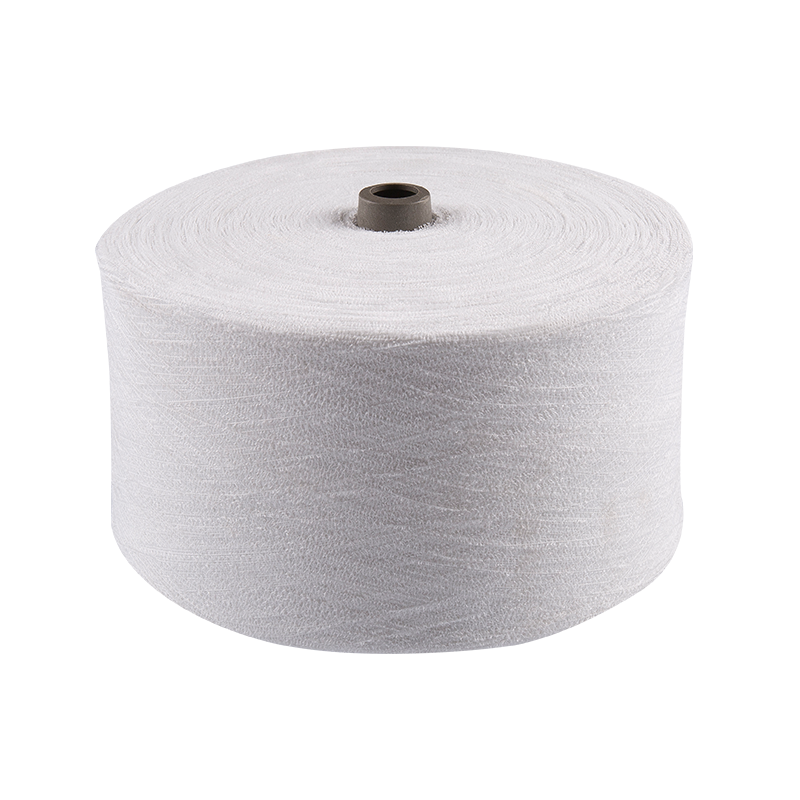 100% Polyester Centipede-Like Fancy Yarn for KnitwearThis fancy yarn uses a core and decorative thread to create a centipede-like texture. Available in custom colors and adjustable density, it suits scarves, shawls, and decorative knitwear.View Product →
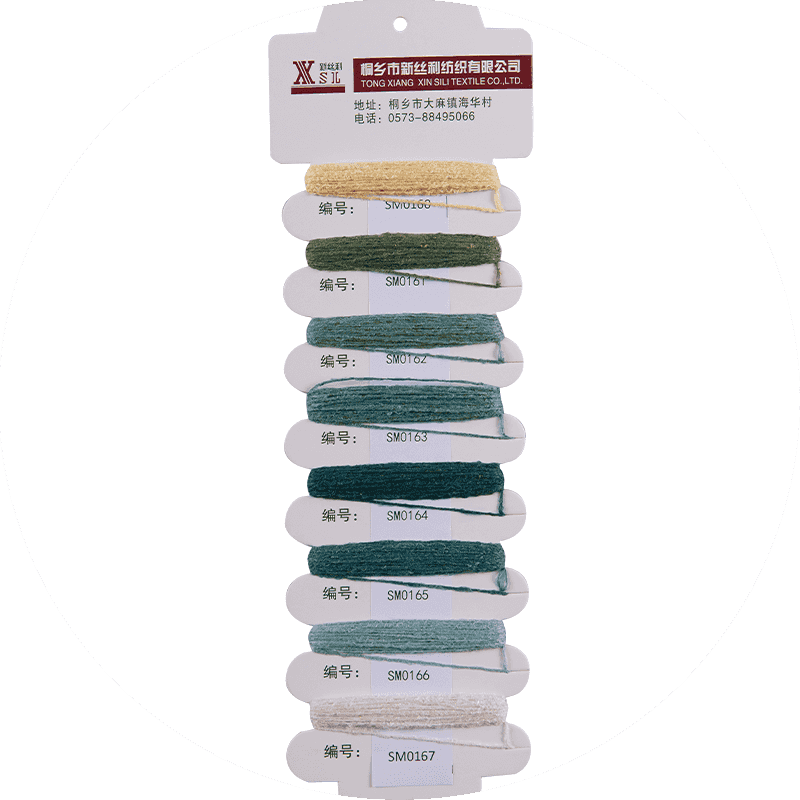
You can order it in a range of colors from the color card, or send a sample for custom development. The same construction can be adjusted in density and filament thickness, so the final look ranges from a fine brushed cord to a bold, ribbed surface. This flexibility is why so many fabric developers treat it as a design tool rather than a fixed novelty product.
Because the yarn is polyester, it can be produced in high-twist or low-twist forms. For upholstery applications, a higher twist helps prevent fiber loss; for garment trims, a lower twist gives a softer hand feel.
At a glance, centipede-like yarn is often confused with feather yarn or toothbrush yarn because all three have protruding fibers. The difference is in fiber direction and density. Toothbrush yarn has perpendicular, brush-like fibers that read as a flat row of bristles. Feather yarn creates scattered, wispy tufts. Centipede-like yarn has closely spaced short fibers along the whole length, producing a fur-like but more uniform surface.
| Yarn type | Fiber arrangement | Typical surface effect | Best suited for |
|---|---|---|---|
| Centipede-like yarn | Short fibers in dense rows | Raised, brushed, ribbed | Upholstery, garment accents |
| Toothbrush yarn | Long, perpendicular fibers | Bristle-like stripes | Novelty knits, trims |
| Feather yarn | Scattered tufts | Feathery fringe | Scarves, soft decoration |
| Chenille yarn | Pile cut from woven core | Velvety, soft cord | Throw pillows, blankets |
That uniformity has practical consequences. The dense fiber rows hold their shape during weaving and knitting, while the polyester core provides a stable base that does not stretch out under tension. For woven furniture fabrics, this means fewer broken filaments and less distortion around seams.
The main advantages are:
In furniture fabrics, yarns need to combine aesthetic effect with abrasion resistance. Centipede-like yarn can be woven into sofa covers, accent chairs, and headboards where you want a tactile surface that does not flatten after repeated use. Its raised fiber pattern also adds a decorative ribbed effect that is difficult to achieve with plain spun yarn. For curtains or decorative panels, the yarn's structure catches light differently, giving the fabric depth without heavy weight.
Hand and machine crochet both benefit from a yarn that holds its shape. When you work a stitch, the protruding fibers cover the stitch line, so the finished piece looks smooth and furred rather than showing open loops. That makes it a good choice for scarves, cardigans, and accessories where the texture is the main selling point. In garment production, centipede-like yarn is usually blended with other yarns in the same fabric: a base yarn for stability and centipede-like yarn for contrast stripes or raised motifs.
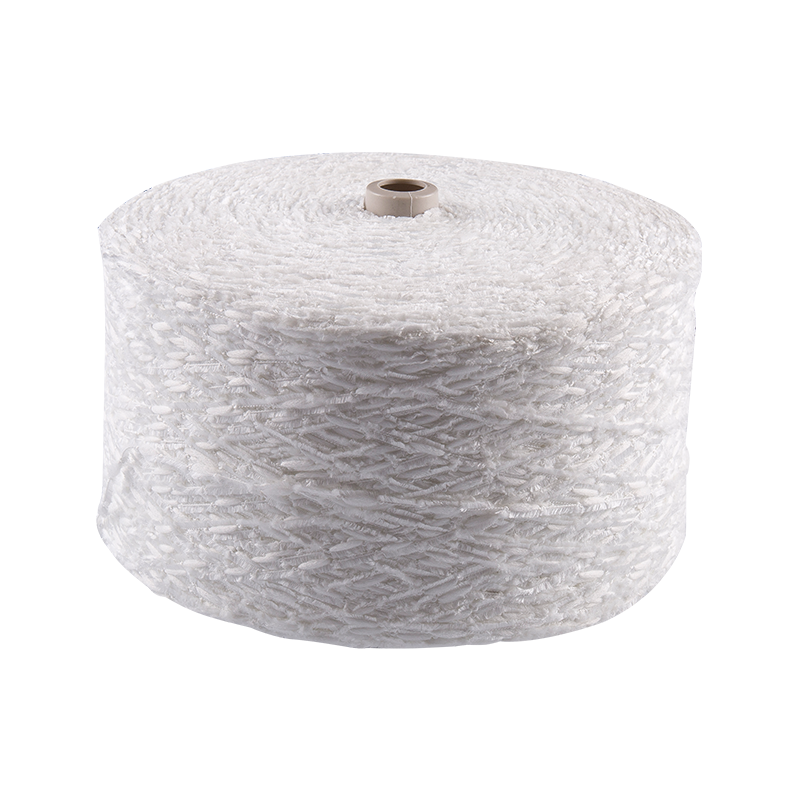 Crochet Fancy Yarn for Textured Handcrafted ProjectsIdeal for small crochet projects like gloves and socks, this yarn lets you control tension and density for varied textures. It pairs well with smooth yarns to highlight raised motifs.View Product →
If you are developing a collection that mixes multiple textures, centipede-like yarn can be combined with smooth DTY yarn or a soft chenille yarn in the same weave. The contrast between a flat ground and a raised fiber surface is easy to control and does not require special looms or knitting machines.
For care, fabrics with centipede-like yarn can usually be machine washed on a mild cycle if the backing fabric allows it. The dense fiber rows may trap lint, so a gentle cycle and air drying are safer than high heat.
Before you place an order, clarify the specification that matters for your end product. Many suppliers list simply "centipede yarn" without full technical details, and that is where quality problems begin.
At Xinsili, we offer sample development and can adjust the fiber density, denier, and color to match your target. If you are unsure which specification suits your project, start with a sample card and compare how each version drapes, compresses, and recovers. For a deeper look, see our explainer on centipede-yarn applications.
Minimum order quantities vary with denier and color. Factories that produce dope-dyed colors directly from polymer can usually work with lower quantities than those that require a custom dye bath.
Centipede-like yarn is not just a visual novelty. Its dense, short-fiber surface gives designers a predictable way to add texture to upholstery, home textiles, and knitwear while relying on the durability of polyester. When you evaluate suppliers, focus on specification clarity and sample flexibility. With the right make-up, this yarn can become the defining feature of a fabric line without adding complexity to the weave or production process.
Start with a small trial order to test the yarn in your own production line. If the sample behaves well, scaling up is straightforward.

Copyright © Tongxiang Xinsili Textile Co., Ltd. All Rights Reserved. Wholesale High Filament DTY Yarn Manufacturers
