
 English
 Español
 عربى
عربى Türk
Türk
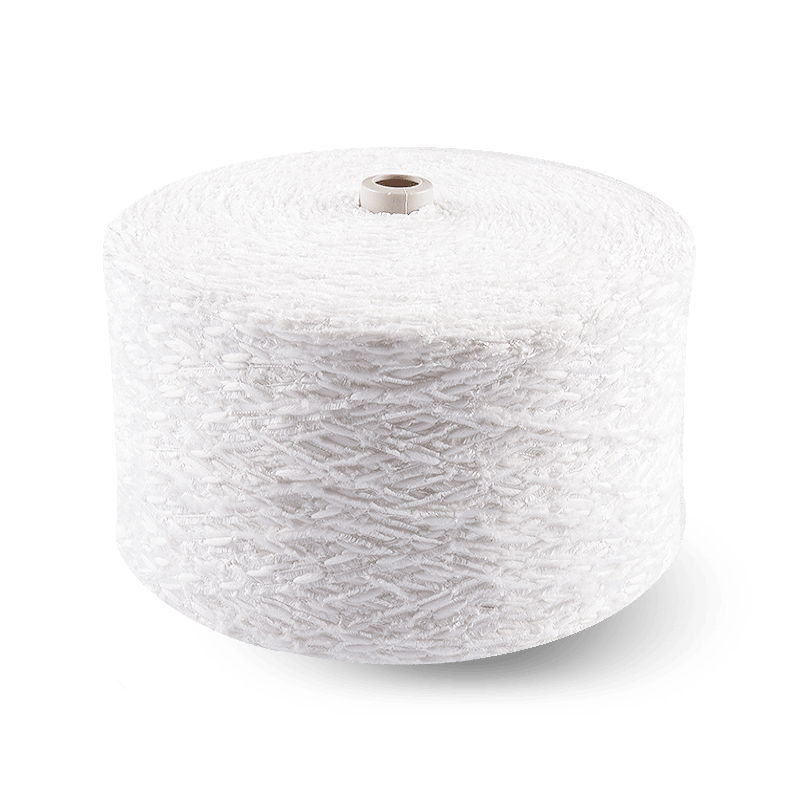
Loop yarn is a kind of fancy yarn, generally composed of core yarn, pressure yarn (sometimes also ca...

 2026.02.04
 Industry News
Content
Boucle yarn is a textured specialty yarn known for its looped, curly surface that creates a soft, nubby, and highly decorative fabric. Color-spun boucle yarn adds even more visual interest by blending multiple colors within the yarn structure, creating depth, contrast, and unique surface effects. While boucle yarn can produce beautiful results, its irregular texture also makes it more challenging to work with compared to smooth, standard yarns.
Whether you are knitting, crocheting, weaving, or using boucle yarn in textile manufacturing or upholstery applications, understanding how to handle its structure is essential. This guide provides practical, experience-based tips to help you achieve clean, professional results when working with boucle yarn and color-spun boucle yarn.
Boucle yarn is constructed by twisting one or more core yarns with an effect yarn that forms loops along the length. These loops create the characteristic textured surface. The size, density, and consistency of the loops vary depending on yarn construction, fiber type, and spinning method.
Color-spun boucle yarn incorporates multiple colored fibers or plies during spinning. This produces subtle color variation, marled effects, or bold multicolor patterns. Because the color is integrated into the yarn rather than applied as a surface dye alone, color-spun boucle offers richer visual depth and better wear appearance.
Selecting the appropriate boucle yarn is critical for success. Not all boucle yarns behave the same, and differences in fiber content, loop structure, and yarn weight directly affect handling and final appearance.
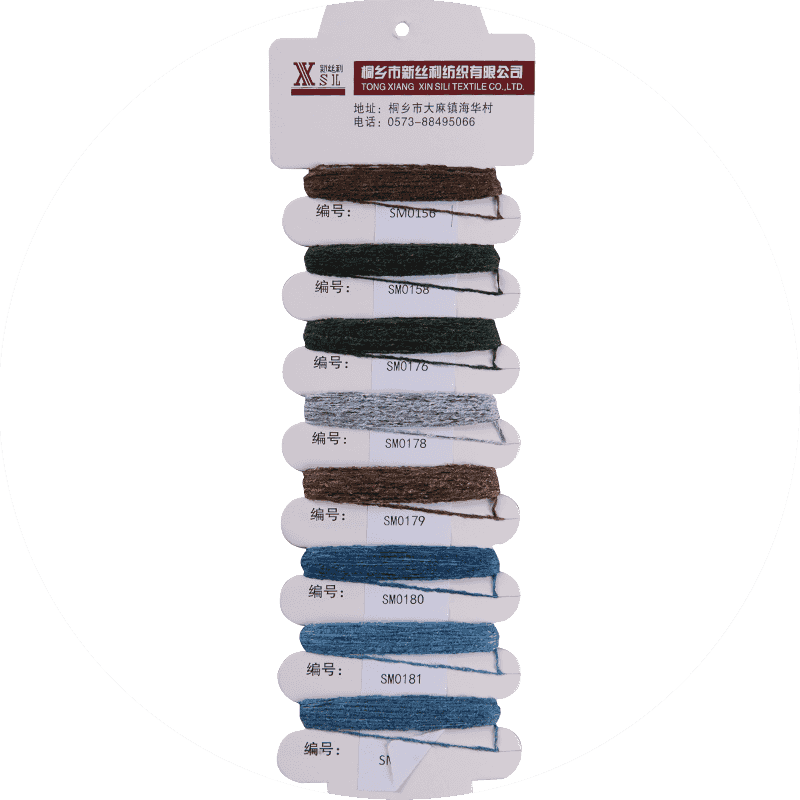
Wool and wool-blend boucle yarns provide elasticity and warmth, making them suitable for garments and outerwear. Acrylic and polyester boucle yarns offer durability, stain resistance, and colorfastness, which are ideal for upholstery, home textiles, and commercial applications. Cotton boucle yarns provide breathability and a matte texture but may lack stretch.
Tight, small loops create a more uniform surface and are easier to control. Large, open loops provide dramatic texture but can snag easily and obscure stitch definition. Match loop size to the functional and aesthetic needs of your project.
Color-spun boucle yarn adds complexity because color placement can affect how texture appears. The loops may highlight certain colors more than others, creating a dynamic surface that changes with light and angle.
Before committing to a full project, create a larger swatch to evaluate how colors distribute across stitches or fabric structures. This helps you predict striping, pooling, or mottled effects that may not be obvious from the skein or cone.
Boucle yarn requires different tool choices compared to smooth yarns. Selecting the right needles, hooks, or weaving reeds can significantly improve handling and reduce frustration.
Use larger needle or hook sizes than you would for a smooth yarn of the same weight. Larger tools help prevent tight stitches and make it easier to see and access loops. Rounded needle tips are often preferable, as sharp tips can split the core yarn or snag loops.
Good lighting is essential when working with boucle yarn. The texture can hide stitch definition, making it difficult to see mistakes. Bright, directional light improves visibility and reduces eye strain.
Maintaining even tension is one of the most important skills when working with boucle yarn. Uneven tension can distort loops, flatten texture, and create inconsistent fabric density.
Work slowly and consciously monitor how tightly you pull the yarn. Let the boucle structure relax naturally rather than forcing it through tight stitches. Relaxed tension allows the loops to sit properly on the fabric surface.
Because boucle yarn hides stitch definition, counting stitches can be challenging. Relying on visual cues alone may lead to missed or extra stitches.
Boucle yarn naturally creates texture, so complex stitch patterns are often unnecessary and may be lost. Simple stitch structures usually produce the best results.
Stockinette, garter stitch, single crochet, and plain weave structures allow the boucle texture to shine. Avoid intricate cables, lace, or highly detailed stitch patterns unless subtle texture is desired.
Boucle loops are vulnerable to snagging on sharp edges, jewelry, and rough tools. Protecting the yarn during handling helps maintain a clean, uniform appearance.
Blocking helps even out stitches and allows the boucle texture to settle naturally. Use gentle blocking methods appropriate for the fiber type. Steam blocking can be effective for synthetic boucle yarns, while wet blocking is suitable for wool and cotton blends.
Avoid excessive stretching during blocking, as this can distort loop structure and flatten the texture. Shape the fabric gently and allow it to dry completely before handling.
Seaming boucle yarn projects requires care to maintain texture continuity. Use mattress stitch or other invisible seaming techniques to blend seams into the fabric surface.
Match loop direction and texture across seam edges. This helps prevent visible seam lines and maintains a consistent surface appearance.
Finished boucle yarn items require proper care to preserve texture and appearance. Follow fiber-specific care instructions, and avoid harsh agitation that can damage loops.
For garments and upholstery, gentle washing and air drying are usually recommended. Brushing or light steaming can help refresh the surface and lift flattened loops.
Many difficulties with boucle yarn stem from treating it like smooth yarn. Understanding common mistakes helps improve results and reduce wasted material.
Boucle yarn and color-spun boucle yarn offer unique texture, softness, and visual richness that can elevate garments, home textiles, and upholstery projects. While boucle yarn presents challenges, the right tools, techniques, and mindset make it highly rewarding to work with.
By understanding yarn structure, managing tension, choosing simple stitch patterns, and protecting delicate loops, you can achieve consistent, professional results. With practice and careful handling, boucle yarn becomes a versatile material that adds character, depth, and luxury to a wide range of textile applications.


Copyright © Tongxiang Xinsili Textile Co., Ltd. All Rights Reserved. Wholesale High Filament DTY Yarn Manufacturers
