
 English
 Español
 عربى
عربى Türk
Türk
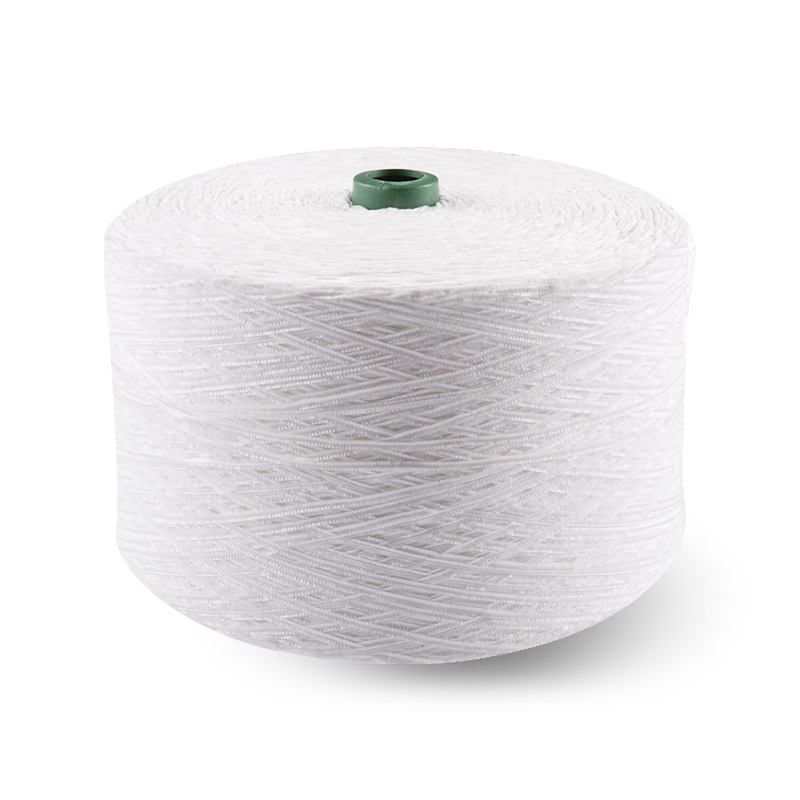
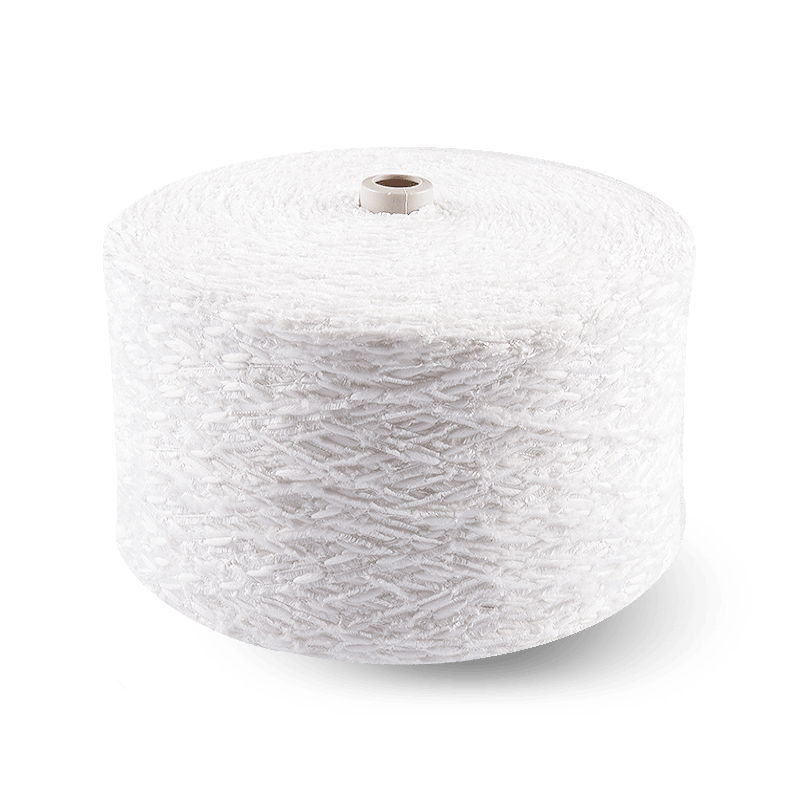
Loop yarn is a kind of fancy yarn, generally composed of core yarn, pressure yarn (sometimes also ca...

 2026.01.22
 Industry News
Content
1250D dope dyed polyester yarn is a high-denier synthetic filament yarn colored during the polymer melt stage rather than through traditional post-dyeing processes. The term “1250D” refers to the yarn’s denier, indicating a relatively thick, high-strength yarn designed for heavy-duty textile applications. Dope dyeing means that pigments are added directly into the molten polyester before extrusion, resulting in color that is embedded throughout the fiber.
From a market perspective, this yarn is primarily used in applications where durability, color fastness, and environmental efficiency are critical. Buyers searching for 1250D dope dyed polyester yarn are often manufacturers of outdoor fabrics, industrial textiles, and technical products that require consistent color and long service life.
Denier is a unit that measures the linear mass density of fibers, defined as the weight in grams per 9,000 meters of yarn. A 1250D polyester yarn is considered a high-denier product, meaning it is thicker, stronger, and more robust than standard apparel yarns.
In practical terms, higher denier yarns like 1250D provide excellent tensile strength and abrasion resistance. These characteristics make them suitable for applications where fabrics are exposed to mechanical stress, repeated friction, or outdoor environments, such as luggage fabrics, upholstery bases, and industrial belts.
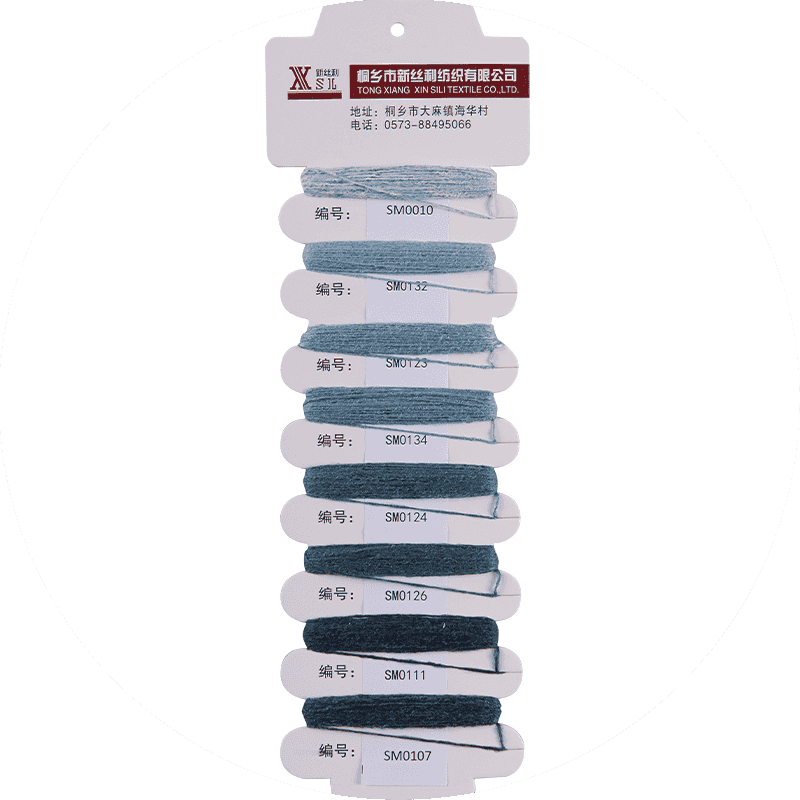
The dope dyeing process fundamentally differs from conventional dyeing. Instead of dyeing yarn or fabric after spinning, color pigments are mixed into the polyester polymer solution before fiber extrusion. As the filament is formed, the color becomes an integral part of the fiber structure.
This process ensures exceptional color uniformity and eliminates many variables associated with batch dyeing. For 1250D dope dyed polyester yarn, this method is especially valuable because thick, industrial yarns are often difficult to dye evenly using traditional techniques.
1250D dope dyed polyester yarn is engineered to deliver a balance of mechanical strength, color stability, and processing efficiency. These characteristics directly influence its suitability for demanding textile applications.
These properties make the yarn reliable for both indoor and outdoor applications, where performance consistency is more important than softness or drape.
One of the most significant advantages of dope dyed polyester yarn is its environmental efficiency. Since color is added during polymer production, the need for water-intensive dyeing and finishing processes is largely eliminated.
Compared with conventional dyed yarns, dope dyed yarns consume less water, energy, and chemicals. For manufacturers facing stricter sustainability requirements, 1250D dope dyed polyester yarn offers a practical way to reduce environmental impact without compromising performance.
Understanding the differences between dope dyed and traditionally dyed polyester yarn helps buyers make informed sourcing decisions. Each method has its own advantages, but dope dyeing is often preferred for industrial denier yarns.
| Aspect | Dope Dyed Yarn | Conventional Dyed Yarn |
| Color Fastness | Very high | Moderate to high |
| Water Consumption | Low | High |
| Batch Consistency | Excellent | Variable |
For products requiring long-term color stability, especially outdoors, dope dyed yarns provide a clear performance advantage.
Due to its strength and durability, 1250D dope dyed polyester yarn is widely used in technical and industrial textile sectors. Its performance characteristics align well with products exposed to mechanical stress and environmental factors.
In these applications, the yarn’s color stability and abrasion resistance directly contribute to product longevity and visual consistency.
Processing 1250D dope dyed polyester yarn requires appropriate loom settings and tension control due to its high denier and strength. Proper handling minimizes filament damage and ensures uniform fabric structure.
Because the yarn is already colored, manufacturers can eliminate downstream dyeing steps, shortening production cycles and improving overall efficiency. This is particularly beneficial for large-volume, standardized products.
When sourcing 1250D dope dyed polyester yarn, quality evaluation should focus on both physical and visual parameters. Consistency across batches is especially important for large-scale production.
Key parameters include denier accuracy, breaking strength, elongation, color tolerance, and filament uniformity. Reliable suppliers typically provide technical data sheets and testing reports to support these specifications.
Selecting a suitable supplier for 1250D dope dyed polyester yarn goes beyond price comparison. Production capability, pigment quality, and quality control systems directly affect yarn performance and color consistency.
Buyers should consider suppliers with stable polymer sourcing, advanced dope dyeing equipment, and experience in high-denier yarn production. Long-term cooperation often leads to better color matching and supply stability.
Demand for dope dyed polyester yarn continues to grow as industries prioritize sustainability and consistent quality. High-denier products like 1250D are increasingly used in functional textiles that require durability and long service life.
As regulations on water usage and chemical discharge become stricter, dope dyed yarns are expected to gain further market share in both industrial and consumer-facing products.
1250D dope dyed polyester yarn offers a combination of high strength, excellent color fastness, and environmental efficiency that suits demanding textile applications. Its performance advantages make it a reliable choice for manufacturers producing durable and outdoor-oriented products.
By understanding denier, dope dyeing technology, and application requirements, buyers and engineers can confidently select 1250D dope dyed polyester yarn that delivers consistent quality and long-term value.

Copyright © Tongxiang Xinsili Textile Co., Ltd. All Rights Reserved. Wholesale High Filament DTY Yarn Manufacturers
