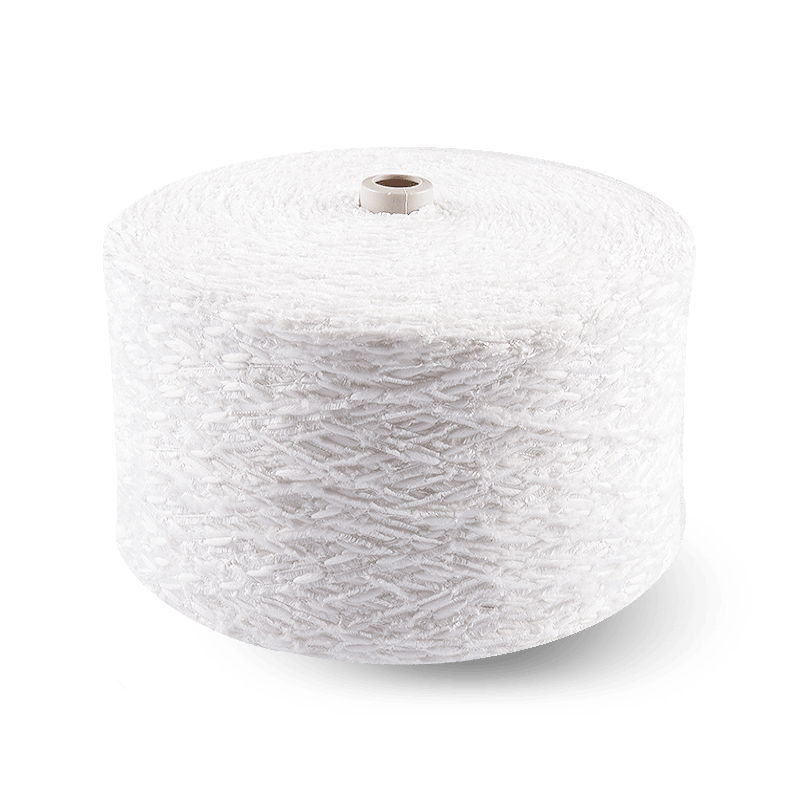
Introduction: Understanding Toothbrush Yarn
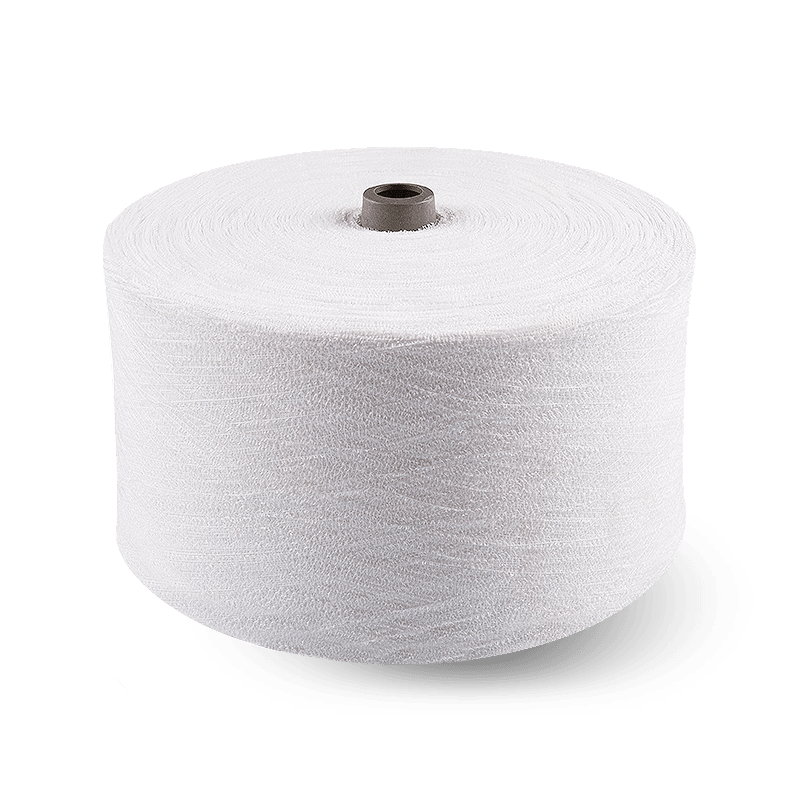
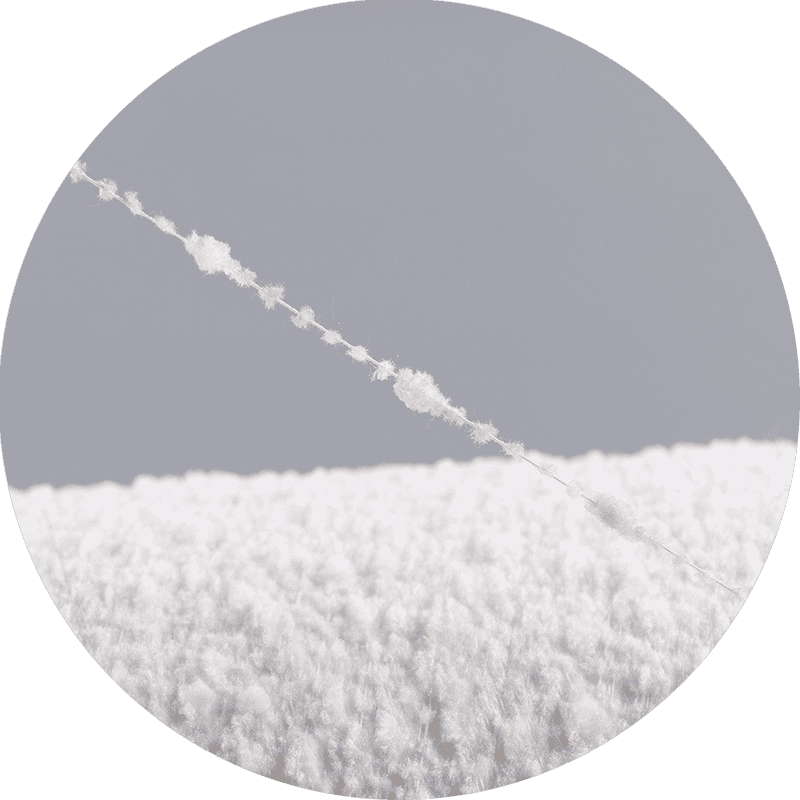
Toothbrush yarn is a unique type of yarn widely used in crafting, rug making, and textile applications that require a dense, durable, and slightly stiff fiber structure. Unlike traditional yarns, toothbrush yarn has a special texture that resembles bristles, providing superior structural integrity. One of the most common questions from crafters and manufacturers is whether toothbrush yarn can be washed and maintained without losing its form, softness, or strength.
Composition of Toothbrush Yarn
Toothbrush yarn is typically made from synthetic fibers such as nylon, PBT (polybutylene terephthalate), or polyester. These materials are chosen for their durability, elasticity, and resistance to abrasion. Each fiber type affects the yarn's washing and maintenance requirements differently.
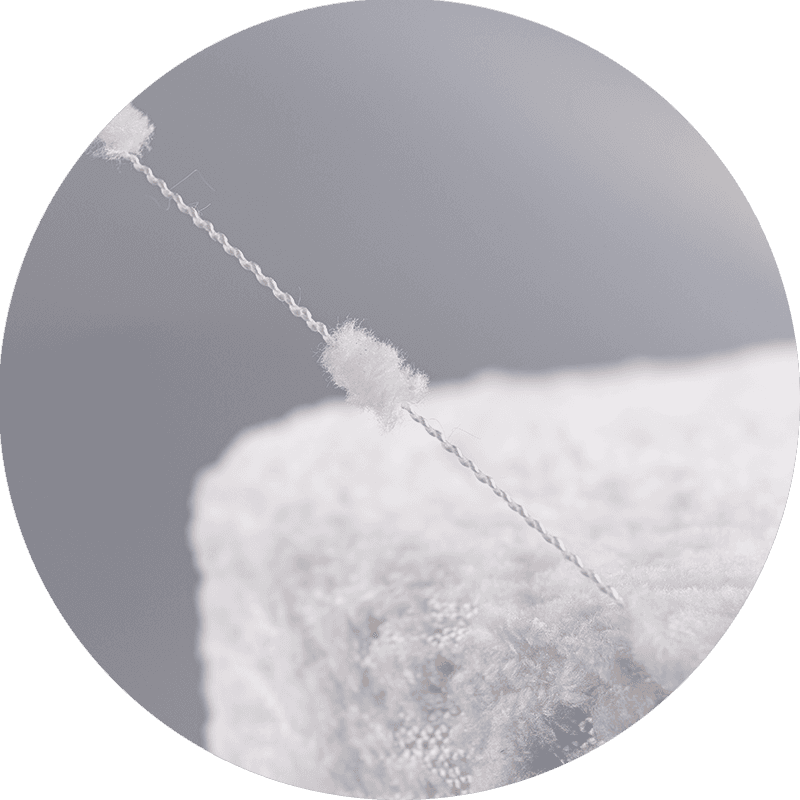
Nylon Toothbrush Yarn
- Nylon offers excellent elasticity and strength, making it resistant to stretching or tearing during washing.
- It is generally machine washable, but high heat may weaken the fibers over time.
- Nylon maintains color well but may require gentle detergents to prevent surface residue.
PBT Toothbrush Yarn
- PBT is highly resistant to UV, water, and chemicals, making it ideal for outdoor rugs and mats.
- It retains shape and stiffness even after multiple washes, making maintenance easier.
- PBT is generally safe for machine washing at moderate temperatures with mild detergents.
Polyester Toothbrush Yarn
- Polyester fibers are hydrophobic, which allows for faster drying and less water absorption during washing.
- It is highly colorfast and resistant to fading.
- Polyester yarn can be machine washed but should avoid high heat to prevent softening of bristles.

Washing Methods for Toothbrush Yarn
The washing method for toothbrush yarn depends on fiber composition, usage, and finished product type. Proper washing ensures longevity while maintaining texture and stiffness.
Hand Washing
- Use cold or lukewarm water with a mild detergent to gently clean the yarn.
- Avoid wringing the yarn to maintain its bristle-like texture and prevent deformation.
- Rinse thoroughly to remove detergent residues that may cause stiffness or discoloration.
Machine Washing
- Use a mesh laundry bag to protect the yarn from tangling and friction.
- Select gentle cycles with cold or lukewarm water.
- Avoid bleach and harsh detergents that can damage fiber stiffness and color.
Drying and Maintenance
- Air drying is recommended; avoid direct sunlight for extended periods to prevent UV degradation.
- Lay flat or hang to maintain shape and prevent curling of fibers.
- Avoid tumble drying on high heat, which can soften or distort the bristle-like structure.
Special Considerations for Heavy-Duty Products
Toothbrush yarn is often used in rugs, mats, or other products that undergo heavy wear. Maintaining these items requires attention to both cleaning frequency and fiber preservation.
Preventing Fiber Damage
- Avoid using harsh chemicals or bleach, which can weaken fibers and reduce lifespan.
- Rotate rugs and mats to distribute wear evenly and reduce fiber breakage.
- Use vacuuming or gentle brushing to remove debris before washing to prevent fiber entanglement.
Maintaining Yarn Texture
- Brushing the yarn lightly after drying restores its bristle-like structure and stiffness.
- Applying mild fabric softeners sparingly can maintain softness without reducing structural integrity.
- Proper storage in dry, shaded areas prevents mildew and preserves fiber resilience.
Conclusion
Toothbrush yarn can be washed and maintained effectively with proper care. Fiber type, washing method, drying, and regular maintenance play crucial roles in preserving its structure, color, and durability. Hand washing or gentle machine cycles, air drying, and preventive maintenance ensure that toothbrush yarn maintains its unique bristle-like texture and strength for long-term use. Understanding these practices helps crafters and manufacturers maximize the lifespan and aesthetic quality of products made from toothbrush yarn.