
 English
 Español
 عربى
عربى Türk
Türk
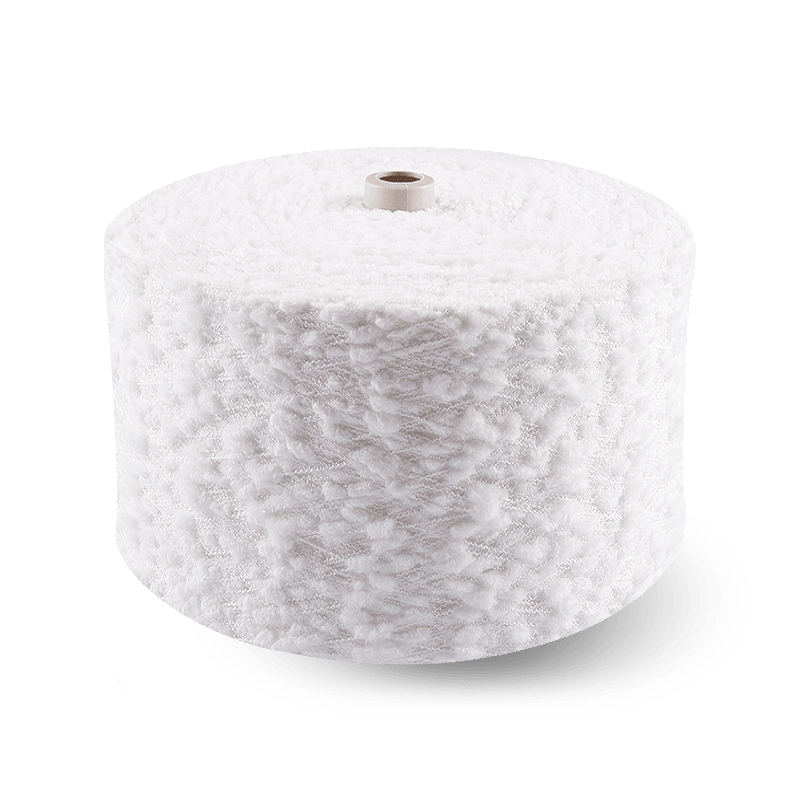
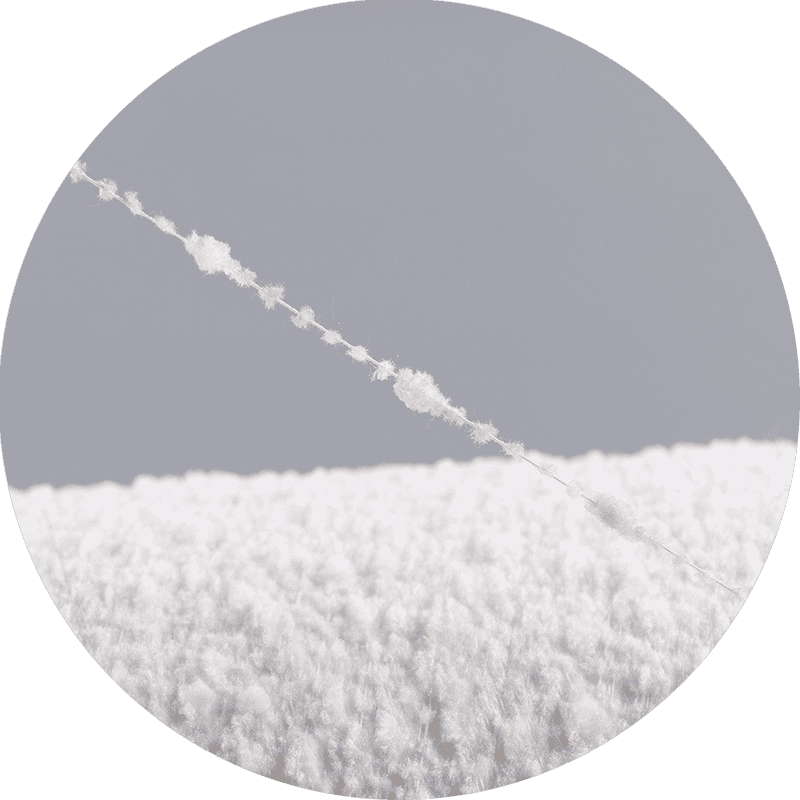
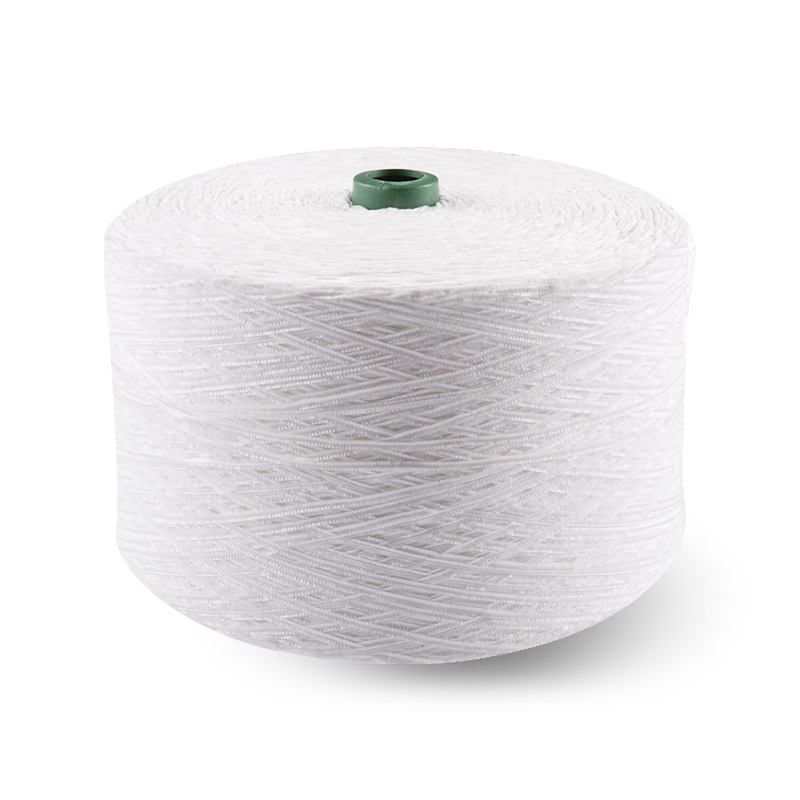
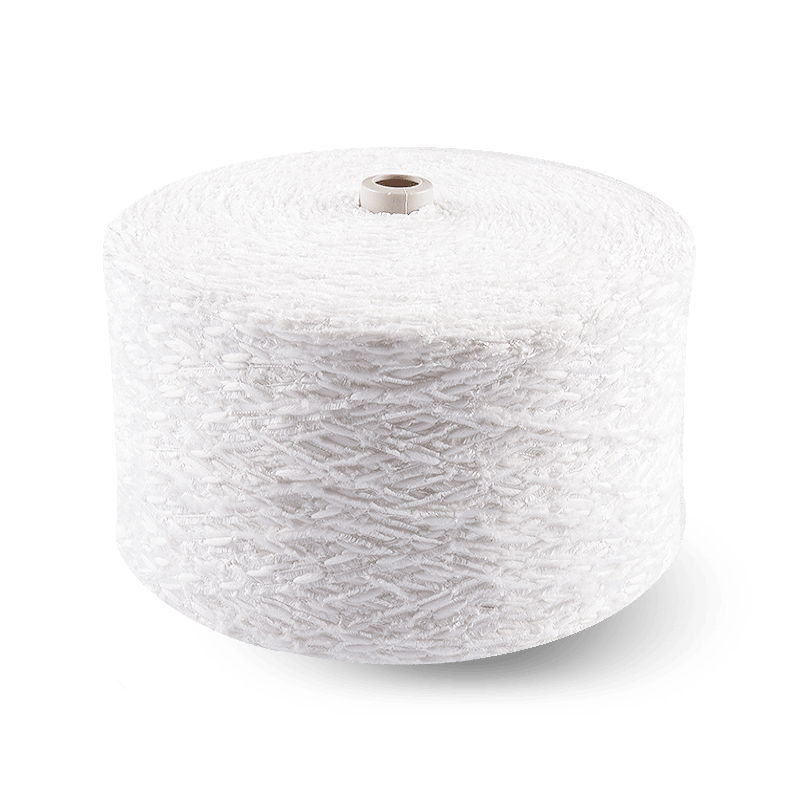
Loop yarn is a kind of fancy yarn, generally composed of core yarn, pressure yarn (sometimes also ca...

 2025.12.18
 Industry News
Content
Selecting the right crochet yarn is crucial for the success and appearance of any crochet project. Different types of yarn affect texture, drape, durability, and the overall outcome of your creations. Understanding fiber types, yarn weights, and project needs ensures your finished piece meets your expectations.
Whether you're crafting clothing, accessories, home décor, or toys, choosing the correct yarn can save time, reduce frustration, and enhance the final product's quality. This guide provides practical advice on selecting crochet yarn for various projects.
Acrylic yarn is a popular synthetic option due to its affordability, wide color range, and durability. It is lightweight, machine washable, and resistant to moths or mold. Acrylic is ideal for blankets, scarves, hats, and amigurumi where ease of care is essential.
Cotton yarn is natural, breathable, and absorbent, making it perfect for summer garments, dishcloths, market bags, and home décor items. It provides excellent stitch definition, highlighting intricate crochet patterns. However, it can stretch over time and is heavier than synthetic yarns.
Wool yarn offers warmth, elasticity, and natural insulation, making it ideal for sweaters, hats, gloves, and blankets. Wool can be hand-washed or machine-washed depending on the type, such as superwash wool. Blends with acrylic or nylon can improve durability and reduce cost.
Blended yarns combine natural and synthetic fibers to offer the best of both worlds. For example, cotton-acrylic blends maintain softness and durability, while wool-nylon blends enhance elasticity and wear-resistance. These are suitable for projects requiring both comfort and longevity.
Lace and fingering weight yarns are thin and delicate, perfect for lightweight shawls, scarves, and detailed crochet patterns. They require smaller hooks and more precision but create elegant, intricate designs.
Sport and double knitting (DK) yarns are medium-weight options that are versatile for garments, baby clothes, and accessories. They balance ease of handling with sufficient thickness for durability and warmth.
Worsted and bulky yarns are thicker, making them ideal for blankets, rugs, winter accessories, and home décor. They work up quickly and provide warmth, but may not be suitable for intricate stitch patterns requiring fine detail.
Smooth yarns create defined stitches and are great for patterns that highlight stitch work. Textured or novelty yarns, such as boucle or eyelash, add dimension and visual interest but may hide intricate patterns. Choose based on the desired look and project complexity.
Plied yarns, made of multiple strands twisted together, are strong and resist splitting, making them ideal for garments and frequently used items. Single ply yarns are softer and more delicate, suitable for lightweight scarves or decorative items.
For wearable items, prioritize comfort, elasticity, and breathability. Wool or cotton blends are excellent for sweaters, while acrylic or soft blends work well for scarves and hats. Consider drape and washability based on garment type.
For items like blankets, cushions, or rugs, durability and washability are key. Worsted or bulky acrylic and cotton yarns provide strength and structure. Textured yarns can add decorative flair to cushions and throws.
For crochet toys, tightly spun yarn with minimal stretch is preferred to maintain shape. Acrylic and cotton yarns are popular for their durability, color options, and ease of cleaning, ensuring toys remain soft yet resilient.
Choose yarn colors based on project purpose and intended recipient. Variegated yarns can create interesting patterns without changing yarns, while solid colors emphasize stitch work.
Consider fiber sensitivity when making garments for babies or individuals with allergies. Cotton and acrylic are hypoallergenic options compared to some wools.
Selecting the right crochet yarn depends on fiber type, weight, texture, and project requirements. Understanding these factors ensures your creations are both beautiful and functional. By choosing suitable yarn for each project, you enhance stitch definition, durability, comfort, and overall satisfaction with your crochet work.
Copyright © Tongxiang Xinsili Textile Co., Ltd. All Rights Reserved. Wholesale High Filament DTY Yarn Manufacturers
