
 English
 Español
 عربى
عربى Türk
Türk
Loop yarn is a kind of fancy yarn, generally composed of core yarn, pressure yarn (sometimes also ca...

 2026.09.08
 Industry News
Content
Picture a woven sofa fabric with fine, parallel ridges running across the surface. Run your hand over it, and the texture feels soft yet clearly three-dimensional, almost like short velvet bristles standing in two neat rows. That fabric was likely made with centipede like yarn, a crochet fancy yarn whose cut pile forms paired fiber tufts on opposite sides of the core, giving the yarn a silhouette similar to a centipede's legs. The practical point for buyers and product developers is quick to grasp: this yarn adds structured plushness and visual depth to polyester-based textiles without the cost or maintenance of natural fibers.
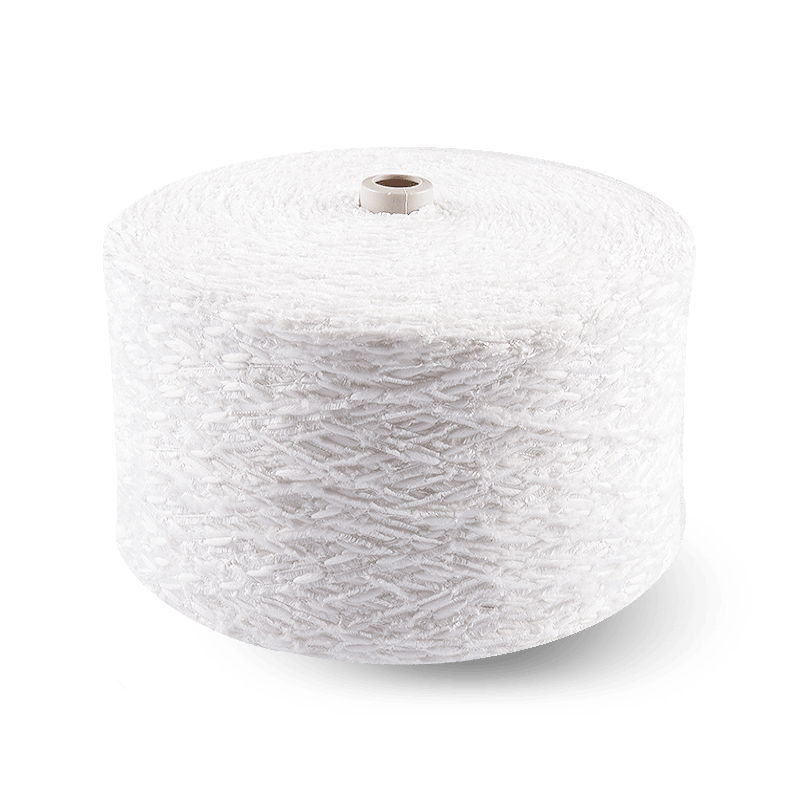
Centipede like yarn is a cut-pile fancy yarn made from a central core yarn wrapped with fine polyester filaments. After the filament loops are slit along the yarn axis, the cut ends spring out on both sides, while the core keeps the whole strand together. The resulting shape has two parallel rows of short, upright fiber tufts, which is why Chinese textile suppliers often call it centipede-shaped yarn.
This structure is different from feather yarn, where long fiber ends spread loosely, and different from chenille, where a continuous pile surrounds the entire circumference. In centipede like yarn, the fibers stay organized in two side rows. When the yarn is woven or knitted, those rows create a ribbed, soft surface that changes appearance with the viewing angle, because each small tuft reflects light independently.
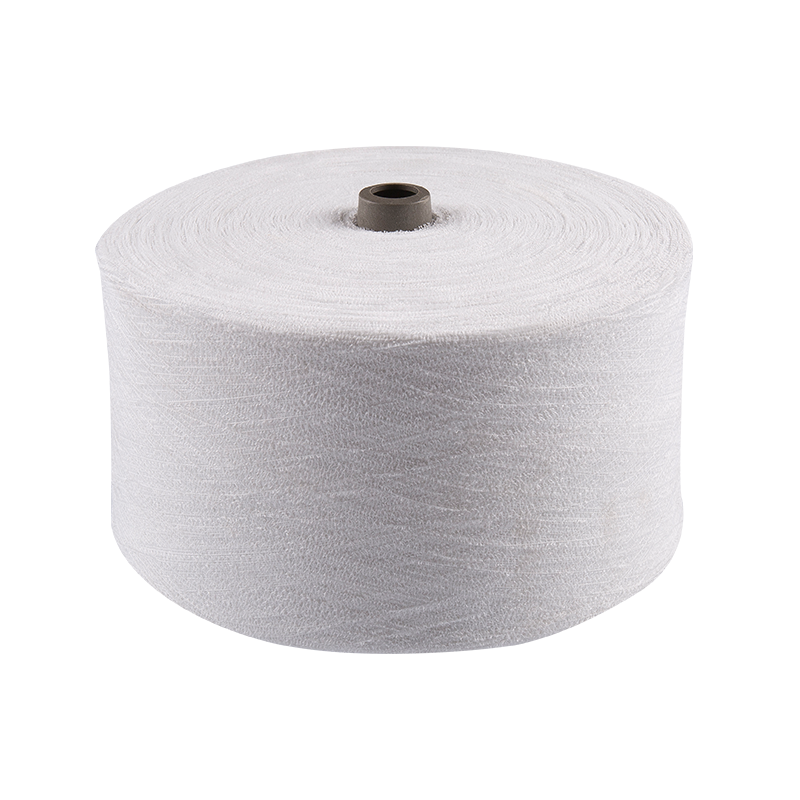 Centipede Like Yarn with Two Rows of Cut Fiber TuftsThis fancy yarn features a core thread with short cut fiber segments arranged in two side rows, creating a ribbed surface that shifts with viewing angle. Ideal for fine knitwear, scarves, shawls, and decorative crafts.View Product →
The production route starts with a bundle of polyester filaments wrapped around a core yarn and fixed by a thin binding yarn. The wrapped structure then passes through a cutting station, where the looped filaments are slit into short segments. The length of those segments, the angle of the cutter relative to the core, and the tension applied during winding determine how far the fiber tufts stand away from the yarn axis.
Because polyester is a synthetic filament, the resulting yarn has consistent diameter, high breaking strength, and low moisture absorption. That consistency is an advantage in high-speed weaving, where a yarn with irregular thickness or weak spots causes frequent stops and seconds.
Four parameters make the most visible difference when you receive samples:
The most common mill complaint with this type of yarn is loose fiber shedding, but that is often a cutting-quality issue rather than a material problem. A reliable supplier should offer a lubricated or waxed version, and you should run a short trial on the actual loom, checking the reed and heddles for fiber build-up during the first hours. These small details separate a consistent fancy yarn source from one that looks good in a photo.
| Property | Centipede like yarn | Chenille yarn | Feather yarn |
|---|---|---|---|
| Fiber arrangement | Paired tufts on two sides | Radial pile all around | Long loose fibers |
| Typical end use | Upholstery, decorative fabrics | Soft furniture, curtains | Fashion trims, scarves |
| Surface effect | Ribbed plush stripes | Velvet-like cover | Feathery movement |
| Main caution | Shedding if cut poorly | Pilling at low twist | Irregular coverage |
For designers, one simple test is worth more than a spec sheet: ask for a small woven sample in three different pile lengths before fixing the final yarn count. The appearance of centipede like yarn changes more with pile length than with any other single parameter, so a quick trial run can prevent a costly rejection after bulk weaving.
The ribbed, plush surface fits applications where the fabric is seen at close range and touched frequently. The strongest demand comes from upholstery, because the pair of raised fiber rows adds texture to sofa and armchair fabrics while keeping the base structure stable enough for abrasion-resistant weaving. This is especially relevant for mills that supply the home textile sector, where softness and visual detail decide whether a sample ends up in a showroom.
Other practical uses include:
If the intended product needs a looser and more flowing effect, feather yarn from the same crochet fancy yarn family is a common alternative. It uses longer fiber ends that move independently, which makes it better suited to garments and decorative trims than structured upholstery.
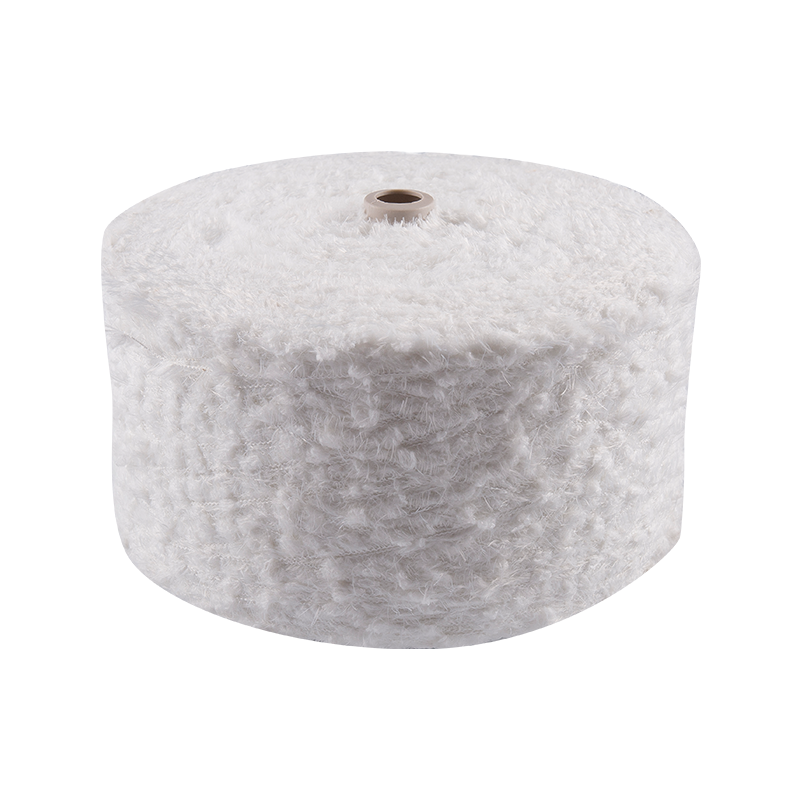 Feather Yarn with Flowing Cut Fiber EndsFeather yarn offers long, independently moving fiber ends for a loose, flowing effect. Suited to garments, scarves, gloves, and trims, it comes in nylon and polyester versions and resembles a pine shape when finished.View Product →
Fancy yarn buying decisions fail when the conversation starts with price instead of the finished surface. Define the target fabric first: do you need a short velvet-like rib or a higher, plusher pile? The answer sets the pile length, denier, and twist, and only then do you compare supplier prices for a comparable specification.
For upholstery and home textiles, color consistency is critical. A sofa fabric can consume several thousand meters of one yarn batch, and any visible variation between cones becomes a quality claim. Dope-dyed polyester yarn offers an advantage here, because the pigment is mixed into the polymer before extrusion, and the color does not depend on the dyer's skill after spinning. When a lab dip is supplied, check it under a standard light source such as D65, not only under ordinary office lighting, and keep a sealed reference sample for future batches.
Before placing a bulk order, ask three direct questions: Is a lubricated finish available for high-speed weaving? How quickly can you prepare trial samples from our own fabric design? And what is the maximum yarn count your current line can produce consistently? A yarn factory that answers these questions with specific numbers, rather than general promises, is more likely to deliver a repeatable product.
If your project calls for a stiffer, brush-like texture instead of a soft plush rib, toothbrush yarn is the closest alternative in the same crochet fancy yarn family. Its vertical fiber ends stand out more firmly, which is useful for raised decorative patterns and structured surfaces.
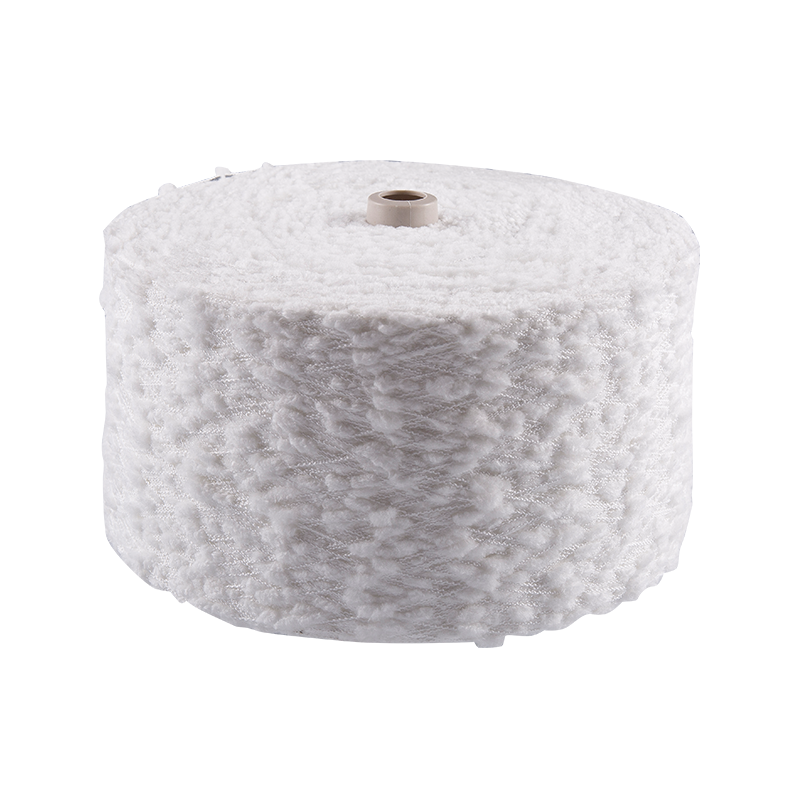 Toothbrush Yarn with Firm Vertical Fiber TuftsToothbrush yarn provides a stiffer, brush-like texture with upright fiber ends for raised decorative patterns. It is often blended from cotton-polyester or silk-wool to balance softness, warmth, and wrinkle resistance.View Product →
Still deciding whether this yarn fits your market? Our article explains why centipede yarn is captivating the textile and crafting world, and it can help you brief your design team or explain the material to a retail customer.
Centipede like yarn is not a temporary novelty. It solves a recurring problem in textile design: how to add visible texture and softness to a polyester-based yarn that can be woven, knitted, and finished at commercial scale. The paired tufts create a ribbed plush surface that stands out in upholstery, curtains, and knitwear, and the same cutting platform used for chenille means manufacturers can deliver it in many colors, counts, and custom constructions. If you are sourcing for a new collection, compare pile lengths and filament fineness before fixing the specification, and give your supplier one clear fabric reference to match. The right combination will make the sampled fabric easy to sell.
For the full range of yarn options and current production details, visit our homepage and browse through the categories. Whether you need a single trial cone or a container-load order, the factory can work from your sample and build the exact surface you have in mind.


Copyright © Tongxiang Xinsili Textile Co., Ltd. All Rights Reserved. Wholesale High Filament DTY Yarn Manufacturers
