
 English
 Español
 عربى
عربى Türk
Türk
Loop yarn is a kind of fancy yarn, generally composed of core yarn, pressure yarn (sometimes also ca...

 2026.05.07
 Industry News
Content
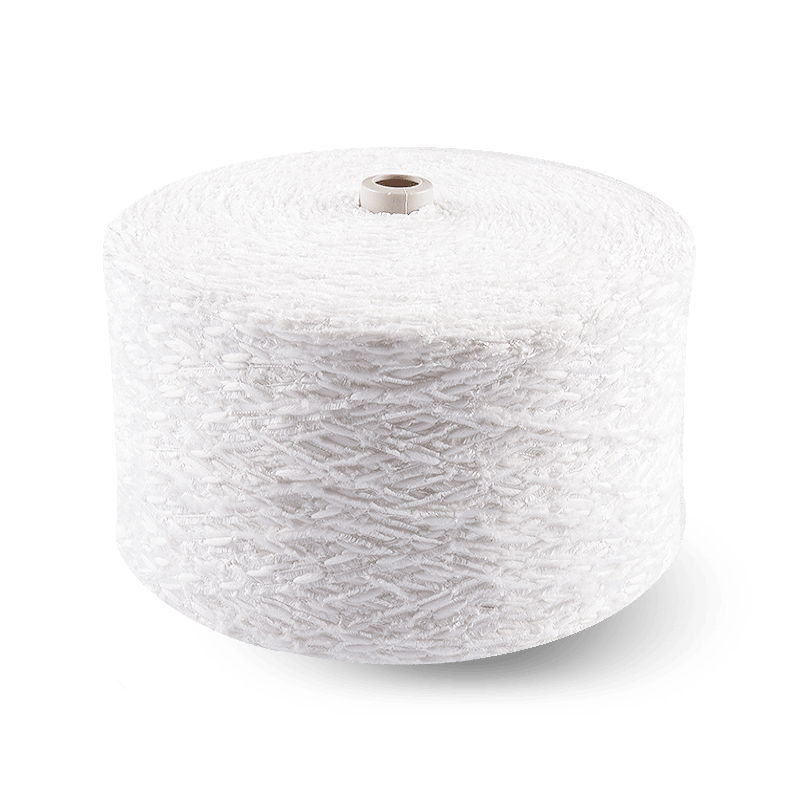
Centipede-like yarn is a type of novelty or specialty yarn that mimics the segmented, multi-legged appearance of a centipede. It features a central core strand with numerous small loops, bristles, or protruding fiber "legs" extending outward at regular intervals. This distinctive construction gives the yarn a highly textural, almost creature-like appearance that makes finished projects stand out from anything made with conventional yarn. As crafters continue to push the boundaries of fiber arts, centipede-like yarn has emerged as one of the most eye-catching materials available today.
This style of yarn falls under the broader category of novelty yarns, which includes eyelash yarn, ladder yarn, boucle, and chenille. However, centipede-like yarn is particularly distinctive because of its dense, rhythmic texture. Each "leg" extends from the core at consistent intervals, creating a pattern that is both visually striking and satisfying to touch. It has become a favorite among crafters who want their work to have a bold, three-dimensional quality without requiring complex stitch techniques.
Understanding the construction of centipede-like yarn helps crafters make better decisions about how to work with it. Unlike standard plied or twisted yarns, this type of yarn is engineered through a specialized spinning or weaving process that deliberately creates the leg-like protrusions. The core is typically made from a sturdy base fiber — often nylon, polyester, or a wool blend — to provide structural integrity and prevent the yarn from stretching or breaking under tension.
The protruding loops or bristles are usually made from softer, more pliable fibers. In many commercially produced versions, these include acrylic, mohair, or microfiber materials that give the yarn a soft, touchable quality despite its dramatic appearance. Some high-end versions use natural fibers like merino wool or alpaca for the core, paired with silk or cashmere for the textural elements. The combination of a strong core and decorative outer structure is what allows the yarn to maintain its centipede-like silhouette throughout knitting, crocheting, or weaving.
Not all centipede-like yarns are created equal. There is a wide variety on the market, and choosing the right type depends on your project goals, preferred working method, and the final texture you want to achieve. Here are the most common types you will encounter:
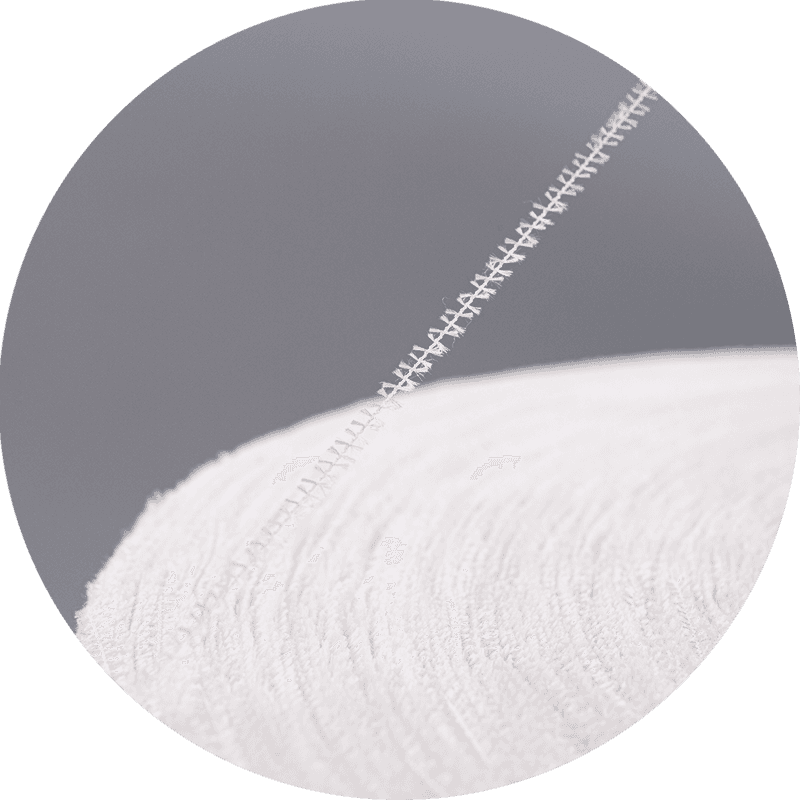
Centipede-like yarn can be a joy to work with once you understand its quirks. Because the texture is so pronounced, it behaves differently from smooth yarns and requires some adjustments in your technique to get the best results.
Because the protrusions on centipede-like yarn can snag on sharp or narrow needle tips, it is best to use blunt-tipped or rounded needles and crochet hooks. Bamboo or wooden needles with smooth finishes are especially recommended. For crochet, an aluminum or resin hook with a slightly wider throat will help the yarn glide smoothly without catching on the loops. Always check the yarn label for recommended needle or hook size, but consider going up half a size to accommodate the extra bulk created by the textural elements.
The texture of centipede-like yarn does most of the visual work for you, so intricate stitch patterns are not only unnecessary but can actually obscure the yarn's natural beauty. Stick to basic stitches like stockinette, garter stitch, or simple single and double crochet. The centipede texture will dominate the surface appearance, and complex stitches will simply disappear beneath the fiber extensions. Simple stitches also make the project easier to finish without tangles or dropped stitches.
Maintaining even tension is crucial when working with novelty yarns. If you pull too tightly, the extensions will bunch up and lose their decorative effect. If tension is too loose, the core may become visible and the overall piece will look uneven. Practice with a swatch before beginning your main project, and take breaks to check that the centipede legs are fanning out evenly across the surface of your work.
Centipede-like yarn shines brightest in projects where texture is the star of the show. Its dramatic appearance is best appreciated in items that are displayed or worn prominently. The following table outlines some of the most popular project types, along with the recommended yarn type and skill level:
| Project | Recommended Yarn Type | Skill Level |
| Scarves and cowls | Short-leg or multi-color | Beginner |
| Hats and beanies | Short-leg or looped | Beginner |
| Wall hangings | Long-leg or chunky | Intermediate |
| Throw blankets | Chunky centipede yarn | Intermediate |
| Decorative cushions | Looped or short-leg | Intermediate |
| Fashion bags and totes | Long-leg or multi-color | Advanced |
Proper care is essential to preserving the texture and appearance of items made with centipede-like yarn. Because of the delicate protrusions, rough handling can cause the legs to mat, tangle, or shed over time. Always check the fiber content on your yarn label before washing, as care instructions vary significantly between synthetic and natural fiber versions.
For most centipede-like yarns, hand washing in cool water with a gentle, pH-neutral detergent is the safest option. Avoid wringing or twisting the item — instead, press it gently between two dry towels to remove excess water, then lay it flat on a clean surface to air dry. This helps the yarn legs retain their shape and prevents matting. For synthetic versions, some manufacturers allow machine washing on a delicate cycle inside a mesh laundry bag, but always confirm this before attempting machine care.
Storage is equally important. Fold finished items loosely and store them in breathable fabric bags or open shelving where air can circulate. Avoid compressing centipede-yarn projects under heavy objects, as this can permanently flatten the textural extensions. If your piece develops any matting during storage, use a wide-toothed comb or a soft pet slicker brush to gently restore the legs to their original position.
Centipede-like yarn is available through a growing number of sources, from specialty yarn boutiques and craft chain stores to online marketplaces and independent fiber artists. When shopping online, look for sellers who provide close-up photographs showing the texture of the yarn in detail. Video clips that show the yarn in motion are especially helpful because they reveal how the legs drape and move, which is critical information for planning a project.
When evaluating quality, pay attention to the density and consistency of the leg placements. High-quality centipede-like yarn will have evenly spaced extensions throughout the entire skein with no bald patches or clumping. Tug gently on a small section to check that the legs are securely attached to the core and do not pull out easily. Poorly constructed versions may shed heavily during the crafting process, leaving fiber debris all over your work surface and potentially reducing the finished texture of your project.
Price is another indicator of quality, though not always a definitive one. Budget-friendly options made from acrylic are widely available and perfectly suitable for practice projects or casual accessories. If you are planning a showcase piece or a wearable garment, it is worth investing in a higher-quality yarn with natural fiber content for better drape, durability, and comfort against the skin. Reading reviews from other crafters and joining online fiber arts communities can help you identify reliable brands before committing to a purchase.


Copyright © Tongxiang Xinsili Textile Co., Ltd. All Rights Reserved. Wholesale High Filament DTY Yarn Manufacturers
