
 English
 Español
 عربى
عربى Türk
Türk
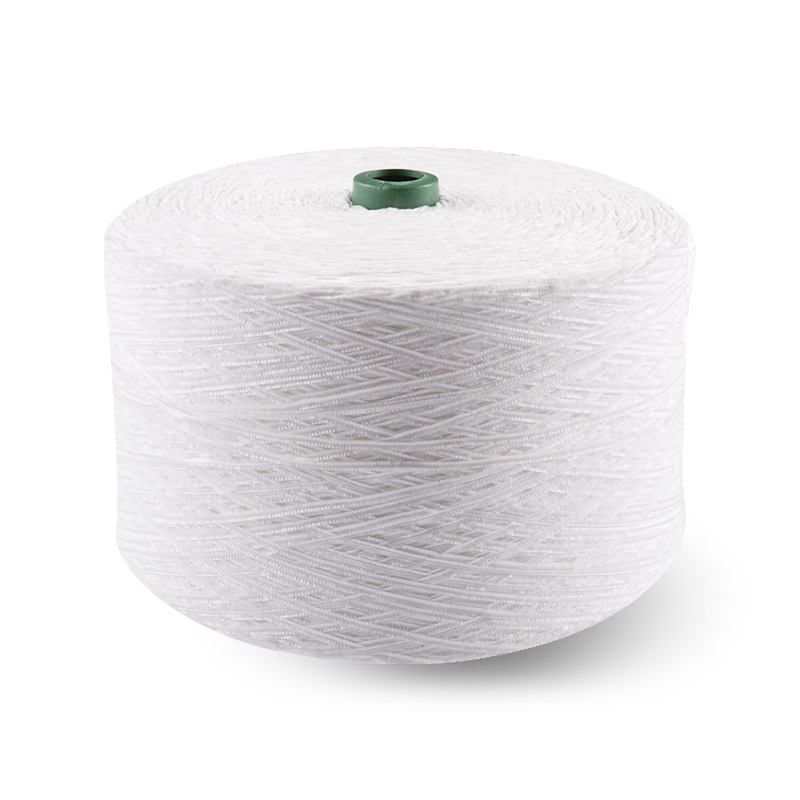
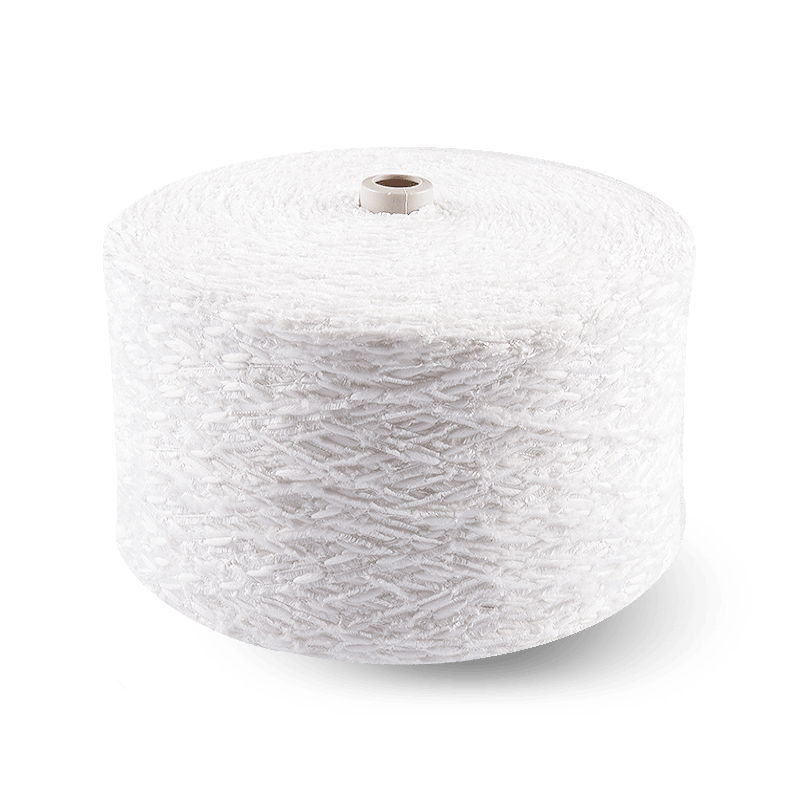
Loop yarn is a kind of fancy yarn, generally composed of core yarn, pressure yarn (sometimes also ca...

 2026.09.29
 Industry News
Content
Few materials in the textile world are as instantly recognizable by touch as chenille yarn. Whether it appears as plush sofa upholstery, a cozy baby blanket, or a chunky crocheted cardigan, chenille's velvety surface signals comfort and quality. At Tongxiang Xinsili Textile Co., Ltd., we have been manufacturing polyester-based specialty yarns since 2004, and chenille remains one of the most requested products in our range. In this article, we explain what chenille yarn really is, how it is produced, where it performs best, and what to look for when sourcing it.
Chenille yarn is a fancy yarn with a soft pile surface that resembles a caterpillar's fuzzy body. In fact, the name comes from the French word for "caterpillar." Unlike smooth conventional yarns, chenille is built around a core of two or more twisted base threads. Short cut fibers are clamped between these threads and stand out from the core, forming the dense, brush-like pile that defines the yarn.
Today, most commercial chenille is made from polyester. Polyester gives the yarn strength, durability, and excellent colorfastness, which is why upholstery and home textile manufacturers rely on it for products that see heavy daily use. Cotton, acrylic, and viscose versions exist, but polyester chenille remains the workhorse of the industry. For a broader look at how this fiber behaves in design, our guide to chenille yarn softness and versatility is a useful starting point.
Producing chenille yarn requires a precise balance of fiber feed, cutting, and twist. At our mill, specialized chenille machines handle the entire process continuously:
The length and density of the cut pile determine the final hand feel. Shorter, denser pile delivers a smooth velvet touch, while longer pile gives a softer, more casual appearance. This flexibility allows chenille to serve everything from formal upholstery to playful craft yarns.
For product developers and fabric buyers, understanding chenille's performance is the key to specifying the right yarn. The table below summarizes the characteristics that matter most in real production.
| Characteristic | Typical Performance | Why It Matters |
|---|---|---|
| Softness | Dense pile, velvety hand | Comfort in upholstery, apparel, and baby items |
| Durability | Strong polyester core | Withstands daily wear on sofas and cushions |
| Color retention | Color-spun and dope-dyed options | Consistent shades and fade resistance |
| Coverage | Bulky, opaque surface | Hides weaving irregularities and reduces fabric defects |
| Insulation | Trapped air in the pile | Lightweight warmth for blankets and outerwear |
One of the most practical advantages of polyester chenille is its ability to carry rich, stable color. Because the pile fibers are short and cut, they absorb dye evenly, and color-spun versions keep their appearance wash after wash. For brands that require exact shade matching across large orders, this consistency saves both time and money.
Not all chenille yarn is the same. Denier, pile length, the number of core threads, and twist level all change the yarn's weight, drape, and appearance. We produce chenille from fine counts for lightweight knitwear to heavy counts for upholstery-grade fabrics, and we are happy to adjust each parameter for a specific application.
Decorative chenille variants add even more design freedom. Chrysanthemum yarn, for example, is a chenille-type product with a flower-like surface that creates a subtle relief pattern in woven or knitted fabrics. It is especially popular for curtain trims, decorative pillows, and fashion accents. To see the full scope of what we offer, browse the chenille yarn collection on our website.
 Chrysanthemum Yarn for Decorative Knitwear and Craft ProjectsThis fancy yarn features a flower-like surface created by petal-shaped structures, offering a soft feel and artistic texture. It suits scarves, shawls, hats, and interior decorations, making it a fitting choice for designers seeking subtle relief patterns.View Product →
Because we control the complete spinning process, we can adjust pile density, twist level, and color to match your sample. Send us a reference swatch, and our development team will reproduce the hand feel and appearance you need.
Chenille is one of the most versatile fancy yarns available, and it appears across a surprisingly broad range of end products.
The largest market for chenille is upholstery. Chenille fabrics are used for sofas, armchairs, headboards, and office seating because the pile delivers a warm, residential look while the polyester core resists abrasion. Chenille also appears in curtains, cushion covers, and throws, where the texture adds visual depth to a room.
In fashion, chenille yarn shows up in cardigans, pullovers, scarves, and hats. Its thickness makes it easy to knit into chunky garments with a soft, cozy feel, and the yarn's structure helps knitwear hold its shape. Chenille is also a common choice for children's clothing, as high-quality polyester versions are machine-washable and gentle on sensitive skin.
Among crocheters and knitters, chenille is loved for its quick stitch definition and forgiving nature. It works up fast, hides small tension inconsistencies, and gives finished pieces a plush, professional look. Amigurumi toys, baby blankets, baskets, and chunky scarves all benefit from chenille's softness, and it remains one of the most affordable chunky yarn options for hobbyists.
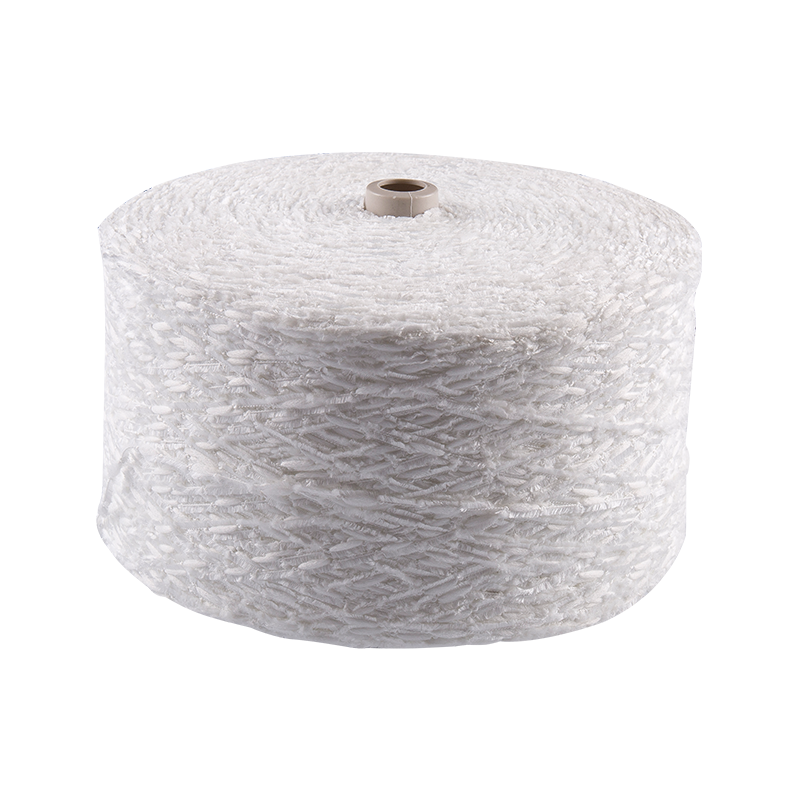 Crochet Fancy Yarn for Small Decorative ProjectsThis versatile yarn supports complex crochet patterns and flexible tension, ideal for gloves, socks, blankets, and home decor. It pairs well with chenille and adds decorative options like feather and toothbrush yarn for extra surface interest.View Product →
For projects that need extra surface interest, our crochet fancy yarn range adds feather yarn, toothbrush yarn, and other decorative options that pair beautifully with chenille.
One question manufacturers often ask is how to keep rich colors from fading in upholstery and apparel. For chenille yarn, color-spinning is the most effective answer. Dope-dyed polyester, also called solution-dyed or spun-dyed yarn, is colored while the fiber is still molten, before the filament is formed. The pigment becomes part of the fiber itself rather than a surface coating.
Dope-dyed polyester offers several clear benefits:
For brands with sustainability targets, dope-dyed chenille made from recycled polyester is increasingly attractive. It also shortens lead times because the yarn arrives ready to weave or knit without a separate dyeing step. In mixed-texture designs, our doped-dyed polyester loop yarn shares the same color system as chenille, so the two yarns can be combined harmoniously in one fabric.
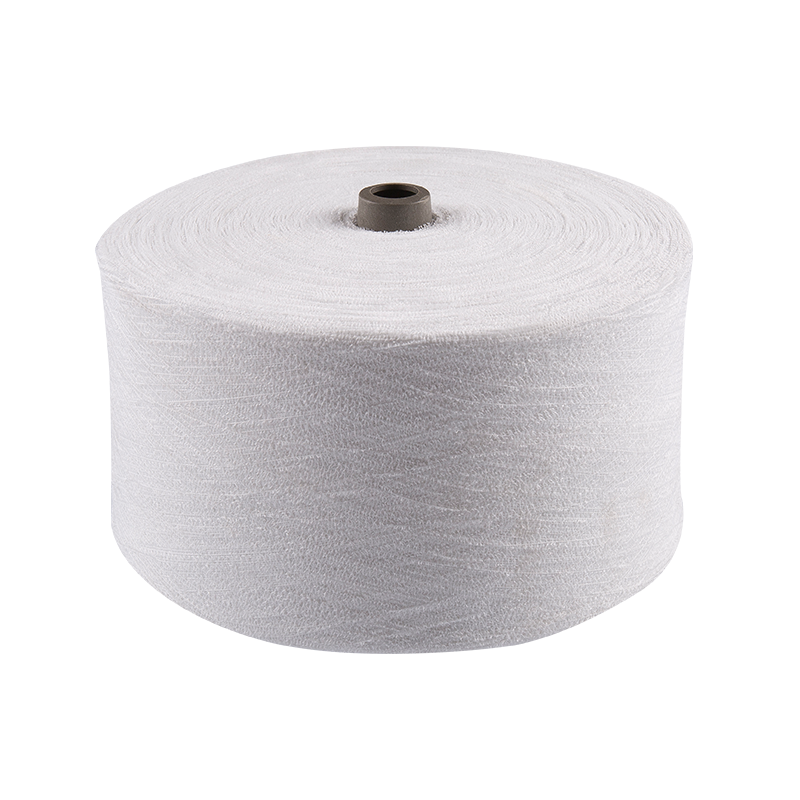 Dope Dyed Polyester Loop Yarn with Regular Loop EffectThis yarn features a regular looped surface with a micro-three-dimensional effect and soft, warm feel. Dope-dyed for color consistency, it shortens lead times and pairs harmoniously with chenille in mixed-texture designs, while remaining durable with proper care.View Product →
Chenille is more durable than people often assume, but it does require sensible care. Because the pile consists of short cut fibers, aggressive washing and high heat are the main risks. High-quality polyester chenille can be machine-washed on a gentle cycle in cold water and tumble-dried on low heat, or simply laid flat to dry. Avoid harsh bleaches and fabric softeners, which can gradually break down the pile.
For chenille upholstery, regular vacuuming with a soft brush attachment keeps dust from settling into the pile, and prompt spot-cleaning prevents stains from setting. With these simple habits, chenille fabrics keep their softness and color for many years.
Sourcing chenille yarn is about more than softness; it is about consistency. A dependable supplier matches colors across batches, maintains uniform pile density, and delivers on schedule. At Tongxiang Xinsili Textile, we combine an in-house testing laboratory with an annual production capacity of more than 60,000 tons, so we can support everything from small sample development to full container shipments.
Located in Tongxiang near Shanghai and Ningbo ports, our factory offers convenient export logistics for customers around the world. We have served clients in nearly ten countries with direct factory pricing, fast responses to inquiries, and customized development based on customer samples. If you are planning a new upholstery range or a craft yarn collection, we would be glad to help you find the right chenille solution.
Chenille yarn remains one of the most beloved specialty yarns in textiles, and the reasons are easy to feel. Its structure delivers a combination of softness, durability, and visual warmth that few other yarns can match. Whether you weave upholstery, knit fashion garments, or develop a new craft line, understanding how chenille is made and how it behaves is the first step toward a successful product.


Copyright © Tongxiang Xinsili Textile Co., Ltd. All Rights Reserved. Wholesale High Filament DTY Yarn Manufacturers
