
 English
 Español
 عربى
عربى Türk
Türk
Loop yarn is a kind of fancy yarn, generally composed of core yarn, pressure yarn (sometimes also ca...

 2026.10.09
 Industry News
Content
Crochet fancy yarn lives in two worlds at once. For a hand crocheter, it is the material that turns a plain scarf into something with depth, softness and movement. For a fabric mill, a cushion brand or an upholstery supplier, it is a specification line that decides how the finished textile will look and feel.
We have been spinning yarn in Tongxiang since 2004, and the questions we hear from both sides are remarkably consistent: what exactly is this yarn made of, how does it behave under a hook, and how do I know I am choosing the right one? This guide answers those questions, from the structure of fancy yarn through to the sourcing details that matter once volume enters the picture.
A standard yarn aims for consistency: even thickness, even twist, predictable behaviour. A fancy yarn deliberately breaks that consistency. It is usually built from at least two or three components, a core, an effect yarn that creates the visible feature, and a binder that locks the effect in place. The result is a yarn with loops, fuzz, nubs, ridges or pile that no plain spun yarn can imitate.
Most crochet fancy yarn on the market today is built on polyester filament. Polyester takes colour well, resists abrasion, holds its shape after washing and keeps the cost of a decorative yarn reasonable. That is why our own fancy yarn range is developed on differentiated polyester rather than on natural fibres, even when the surface is designed to imitate wool, cotton or fur.
Two yarns can look similar in a sample book and behave completely differently in the hand. The difference usually lies in how the effect was created. A loop that is tightly bound to the core will hold its shape for years, while a loose loop flattens under tension. A dense pile gives weight and drape, a sparse pile gives air. When you evaluate a fancy yarn, look at the structure first and the colour second.
Fancy yarn is a family rather than a single product. Our range covers chenille, boucle-style loop yarn, toothbrush yarn, feather yarn, centipede-like yarn, chrysanthemum yarn and double-faced velvet crochet yarn, and each one solves a different design problem.
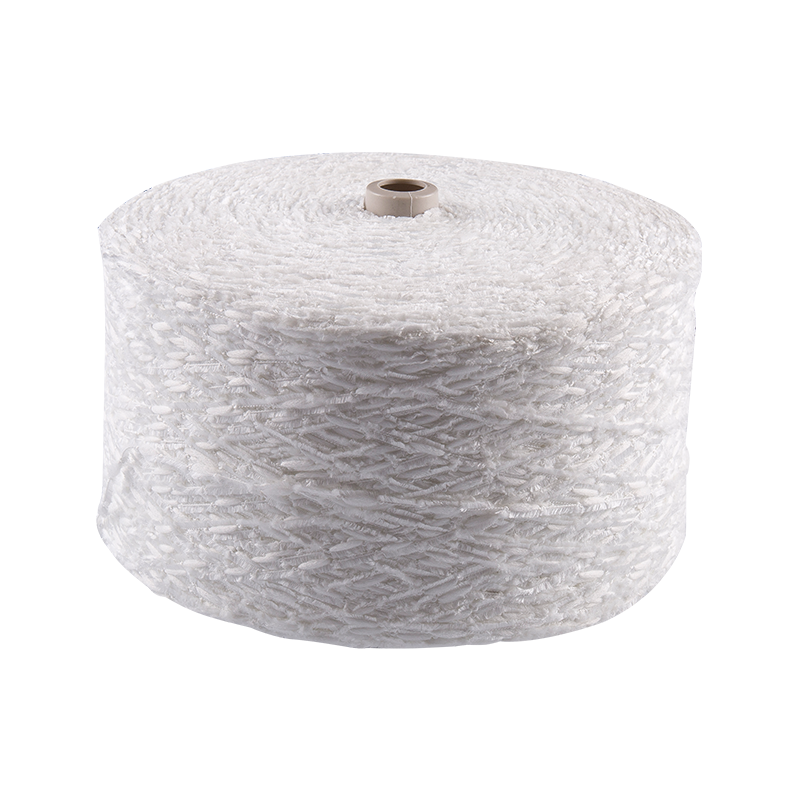 Crochet Fancy YarnCrochet fancy yarn can create a variety of complex patterns and designs, such as flowers, geometric patterns, etc., through different crochet and weaving techniques. U...View Product →
| Yarn type | How it is built | Typical use | Feel in crochet |
|---|---|---|---|
| Chenille yarn | Short fibres packed densely around a core | Blankets, cushions, soft garments | Plush and smooth, little stitch definition |
| Boucle or loop yarn | Loops of effect yarn locked along the core | Fashion tops, textured decor | Bumpy surface that hides uneven tension |
| Toothbrush yarn | Fibres standing upright along the core | Trim, edging, playful accessories | Firm and springy with strong visual lines |
| Feather yarn | Long fluffy fibre bundles | Scarves, shawls, winter accessories | Light and airy, warm for its weight |
| Centipede-like yarn | Short fibres arranged in a rib-like sequence | Statement garments, decor accents | Pronounced ridges, sculptural look |
| Chrysanthemum yarn | Fibres opened into petal-like clusters | Home textiles, fashion highlights | Full volume with a decorative surface |
| Double-faced velvet crochet yarn | Velvet pile on both faces | Reversible wearables, blankets | Plush on both sides, thick under the hook |
One practical note before you buy: order a sample length and crochet a small swatch, because a yarn that looks generous on the cone can behave very differently once it is worked into fabric. Our article on adding texture and style to handmade creations explores this further with project-level examples.
Choosing well comes down to matching the yarn structure to the job you want it to do. Work through these points before you commit to a full project.
Fancy yarn rewards a slightly different technique. The texture is already doing the decorative work, so the crocheting itself can stay simple.
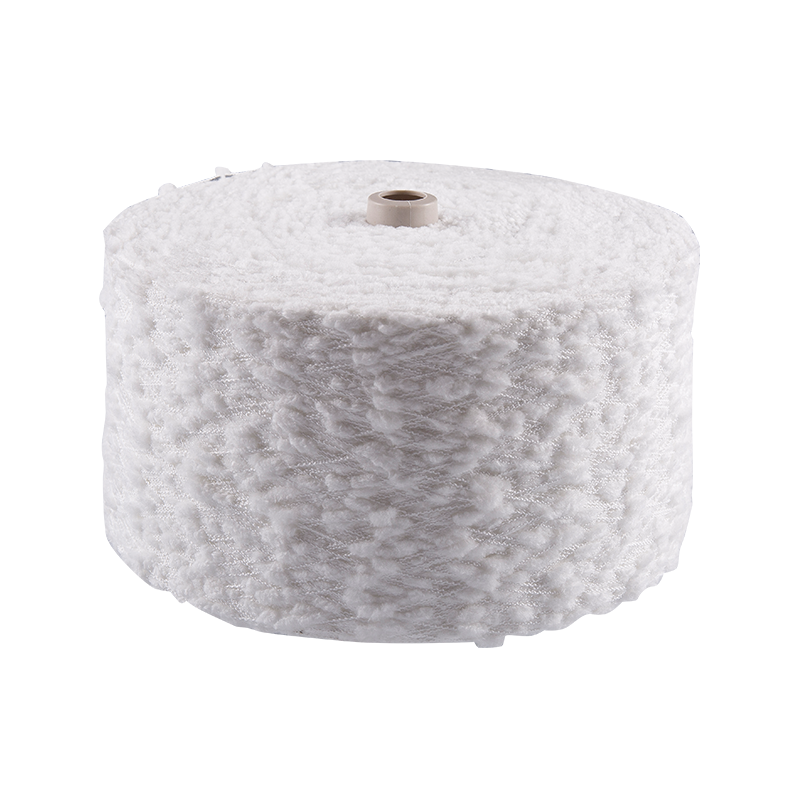 Toothbrush YarnToothbrush yarn is a textile material usually made from a blend of two or more fibers. This special yarn has been designed to create a new range of qualities and prope...View Product →
Bristle-style yarns such as toothbrush yarn are the clearest example of this principle. The fibres stand upright along the core, so a simple stitch pattern already creates a firm, graphic surface, and complicated stitch work would only be swallowed by the texture.
Texture is only half of the story. Colour performance decides whether a fancy yarn still looks good after a season of use, and that is where the dyeing method matters. Conventional piece dyeing colours the yarn after it is spun, which uses large amounts of water and energy and can leave the deepest shades slightly uneven across a batch.
Doped-dyed yarn takes the opposite route. Pigment is added to the polymer before the filament is formed, so the colour is part of the fibre itself rather than a coating on the outside. The result is stronger colour consistency from batch to batch, better resistance to fading and rubbing, and a shorter, cleaner production chain. Our doped-dyed polyester loop yarn applies that principle to a decorative structure, giving designers a textured yarn with dependable colour.
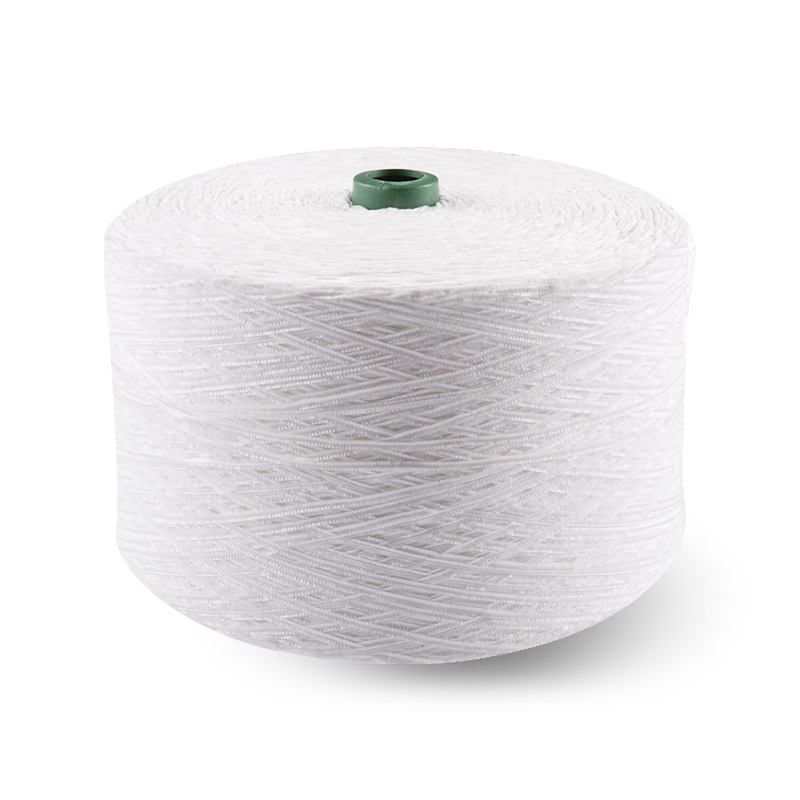
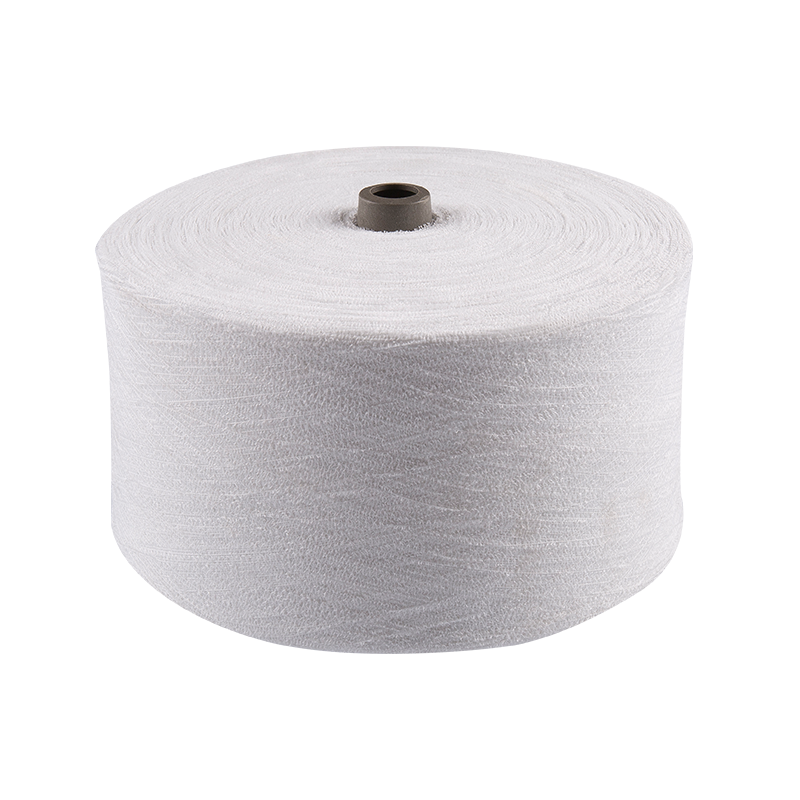 Dope Dyed Polyester Loop YarnLoop yarn is a kind of fancy yarn, generally composed of core yarn, pressure yarn (sometimes also called solid yarn), and decorative yarn. The core yarn and pressure y...View Product →
When fancy yarn moves from a single ball to a production order, the questions change. Buyers want to know whether the supplier can repeat a colour, hold a specification across batches, and deliver on schedule. As a yarn factory, we keep those conversations grounded in what we can actually control: our own spinning equipment, an in-house testing laboratory, and an annual capacity of more than 60,000 tons across several hundred yarn varieties.
Because we sit close to the ports of Shanghai and Ningbo, export logistics are straightforward, and our team works in English, Spanish, Arabic and Turkish with customers in close to ten countries. Development usually starts from a customer sample or a target effect, and we then work backwards to the yarn structure that will deliver it. You can learn more about how we approach that process on our company overview page.
It is different rather than difficult. Simple stitches, a larger hook and a relaxed grip solve most of the frustration, and textured yarn hides small tension inconsistencies that would show up in a smooth yarn.
Polyester-based fancy yarns generally handle gentle machine washing well. Always follow the care guidance for the specific yarn and test a swatch first, since pile and loop structures can bloom or flatten in warm water.
Start one to two sizes above the recommendation for a comparable smooth yarn of the same weight, then adjust after swatching. The right hook is the one that keeps the fabric flexible rather than tight and boardy.
Whether you are crocheting a single scarf or developing a new textile collection, the same rule applies: understand the structure of the yarn before you fall in love with the sample. If you are not sure which fancy yarn fits your project or your product line, send us the effect you are aiming for. We will tell you honestly what can be spun, what it will feel like, and how to get there.

Copyright © Tongxiang Xinsili Textile Co., Ltd. All Rights Reserved. Wholesale High Filament DTY Yarn Manufacturers
