
 English
 Español
 عربى
عربى Türk
Türk
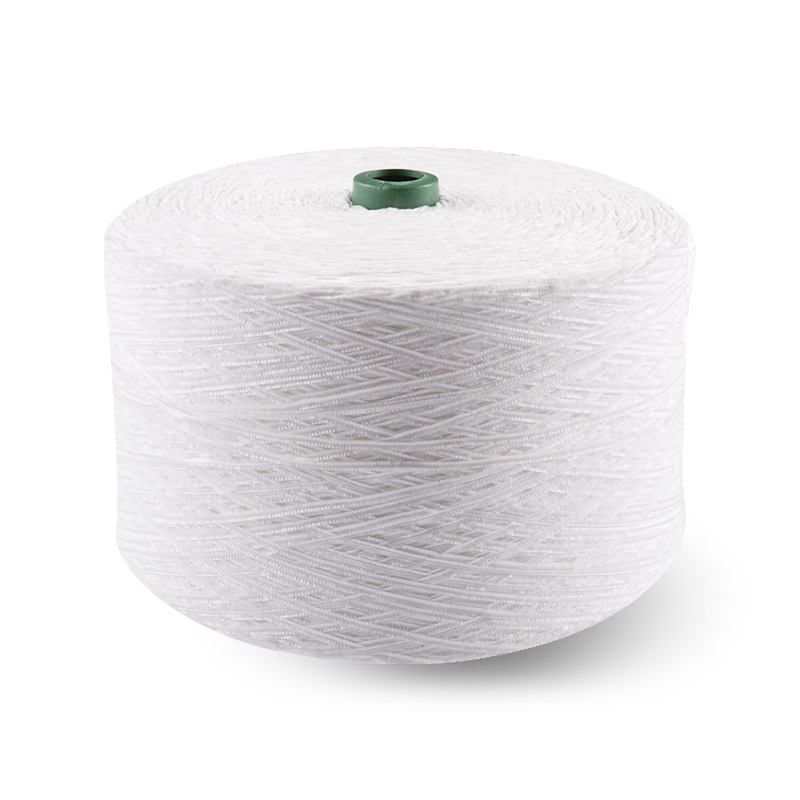
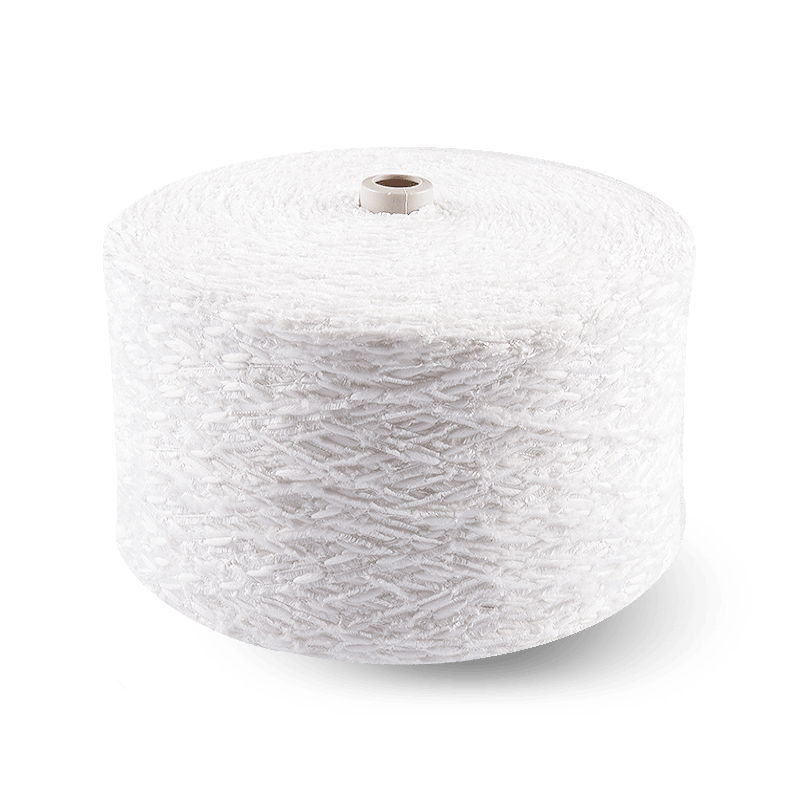
Loop yarn is a kind of fancy yarn, generally composed of core yarn, pressure yarn (sometimes also ca...

 2026.02.10
 Industry News
Content
Crochet yarn serves as the fundamental building block for all crochet projects, transforming simple hooks and stitches into beautiful, functional creations. The yarn selected for any project dramatically influences the final appearance, texture, durability, and usability of the finished piece. Understanding yarn characteristics empowers crocheters to make informed choices that align with project requirements, personal preferences, and intended applications. Modern yarn markets offer overwhelming variety, from traditional wool and cotton to innovative blends and synthetic fibers, each presenting unique advantages and considerations.
The relationship between yarn choice and crochet success cannot be overstated. Appropriate yarn selection affects stitch definition, drape, elasticity, and overall project ease. Beginners often struggle with unsuitable yarn choices that obscure stitches or create frustration during the learning process. Experienced crocheters develop refined preferences through trial and experimentation, building personal yarn libraries that support diverse creative endeavors. Quality crochet yarn investments yield superior results and lasting satisfaction, making yarn knowledge essential for crafters at every skill level.
Yarn weight classification provides standardized guidance for selecting appropriate yarn for specific projects and achieving consistent results. The Craft Yarn Council's weight system ranges from lace weight (0) through jumbo weight (7), with each category suited to particular applications. Understanding these classifications helps crocheters interpret patterns accurately and substitute yarns confidently. Weight determines not only the final size and drape of projects but also influences hook size selection, stitch gauge, and working time requirements.
| Weight Category | Name | Hook Size | Best For |
| 0-1 | Lace/Fingering | 1.5-2.25mm | Doilies, delicate shawls |
| 2 | Sport | 3.5-4.5mm | Baby items, lightweight garments |
| 3 | DK/Light Worsted | 4.5-5.5mm | Scarves, light sweaters |
| 4 | Worsted/Aran | 5.5-6.5mm | Afghans, general projects |
| 5 | Bulky | 6.5-9mm | Quick blankets, winter accessories |
| 6-7 | Super Bulky/Jumbo | 9mm+ | Chunky blankets, rugs |
Worsted weight yarn dominates the crochet market due to its versatility and accessibility. This medium-weight category works beautifully for blankets, garments, accessories, and home decor projects. The substantial thickness provides excellent stitch definition that helps beginners see their work clearly while offering experienced crocheters reliable, predictable results. Bulky and super bulky weights have gained popularity for quick-finish projects that satisfy instant gratification desires, particularly appealing for gift-making and home decor applications where substantial texture enhances visual impact.
Lighter weight yarns require more patience and precision but produce delicate, refined results impossible to achieve with heavier options. Fingering and sport weights excel for intricate lacework, detailed garments, and projects where drape matters significantly. These finer yarns demand careful attention to tension and stitch placement but reward crocheters with elegant, professional-looking finished pieces. Selecting appropriate yarn weight for specific projects ensures successful outcomes and prevents frustration from mismatched expectations and reality.
Natural fiber yarns offer distinct characteristics derived from their organic origins, providing breathability, comfort, and traditional appeal. Wool yarn stands as the classic crochet fiber, offering excellent elasticity, warmth, and stitch memory that maintains shape beautifully. Merino wool represents the premium category with exceptionally soft fibers that feel gentle against skin without the scratchiness associated with traditional wool. Superwash wool undergoes special treatment allowing machine washing, combining wool's natural benefits with modern convenience for practical, everyday items.
Cotton crochet yarn provides excellent stitch definition, making it ideal for projects where clear stitch visibility matters. This natural fiber offers superior breathability and absorbency, perfect for dishcloths, market bags, summer garments, and baby items. Cotton lacks the elasticity of wool, creating firm, structured fabric that holds shape well but requires careful tension management during crocheting. Mercerized cotton features special treatment that adds subtle sheen and increased strength, producing particularly polished results for decorative projects and garments requiring refined appearance.
Bamboo yarn combines natural origin with silk-like softness and excellent drape characteristics. This sustainable fiber naturally resists bacteria and odors while providing temperature regulation that keeps wearers comfortable across varying conditions. Bamboo's smooth texture glides easily across hooks, though it can split if worked too tightly. Alpaca and mohair offer luxury options with exceptional warmth-to-weight ratios and distinctive textures. Alpaca provides hypoallergenic warmth without wool's potential irritation, while mohair's fuzzy halo creates soft, cloud-like fabric perfect for cozy accessories and decorative items.
Acrylic yarn dominates the affordable crochet yarn market, offering practical advantages including machine washability, colorfastness, and accessibility. Modern acrylic formulations have improved dramatically, with premium varieties rivaling natural fibers in softness while maintaining superior durability and easy care. Acrylic suits high-use items like children's toys, everyday blankets, and washable garments where practicality outweighs luxury considerations. This synthetic fiber accepts dye beautifully, enabling vibrant color ranges and variegated options that inspire creative experimentation.
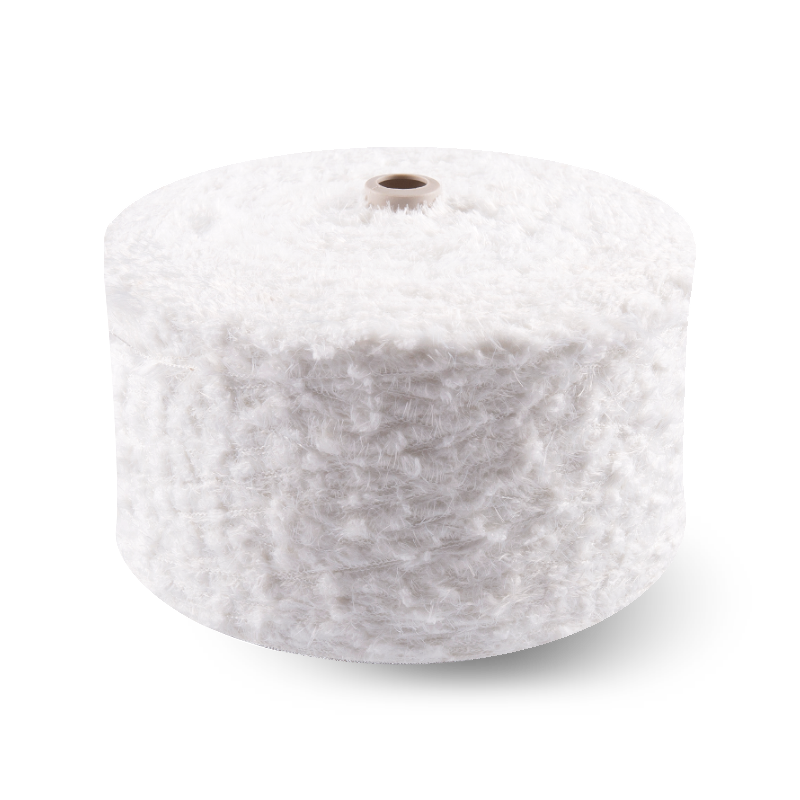
Yarn blends combine multiple fiber types to optimize performance characteristics while minimizing individual fiber limitations. Cotton-acrylic blends offer improved elasticity over pure cotton while maintaining breathability and softness. Wool-acrylic combinations provide warmth and texture at lower cost points with easier care requirements than pure wool. Superwash wool blended with nylon adds strength and durability, particularly beneficial for high-wear items like socks and accessories. Understanding blend ratios helps predict final fabric behavior and care requirements.
Specialty synthetic yarns include chenille, velvet, and novelty varieties that add texture and visual interest to crochet projects. Chenille creates plush, velvety fabric perfect for luxurious blankets and soft toys, though its unique construction requires gentle handling to prevent splitting. Velvet yarn produces ultra-soft results ideal for baby items and comfort blankets. These specialty options expand creative possibilities while presenting unique working challenges that experienced crocheters navigate through technique adjustments and patience.
Project-appropriate yarn selection determines success and satisfaction with finished crochet items. Garment projects demand careful consideration of drape, breathability, and care requirements alongside aesthetic preferences. Natural fibers or natural-synthetic blends typically perform best for wearable items, providing comfort and appropriate fabric behavior. Sweaters benefit from yarns with good stitch memory that maintain shape through wearing and washing. Shawls and wraps require excellent drape, making lighter weights and fibers like alpaca, bamboo, or fine merino ideal choices.
Home decor projects including blankets, pillows, and rugs require durability and easy maintenance. Acrylic and acrylic blends serve admirably for frequently washed items like afghans and throws. Cotton works beautifully for textured pillows and summer-weight blankets where breathability matters. Bulky yarns accelerate completion of large projects like blankets while creating substantial, cozy results. Color selection impacts room aesthetics significantly, with neutral tones offering timeless versatility and bold colors making statement pieces.
Baby items demand special attention to fiber safety, softness, and washability. Avoid yarns with long fibers that could pose choking hazards or novelty yarns with small embellishments. Acrylic, superwash wool, and cotton all work well for baby projects, offering safe, soft, machine-washable options. Many manufacturers produce specific baby yarn lines with enhanced softness and safety testing. Pastel colors remain traditional favorites, though modern baby items embrace full color spectrums reflecting contemporary parenting aesthetics.
Quality assessment helps crocheters identify yarns that justify investment and deliver satisfying results. Consistent thickness throughout the skein indicates quality manufacturing and ensures even gauge across projects. Examining yarn for irregularities, thick-thin variations, or weak spots before purchasing prevents mid-project frustrations. Premium yarns feature smooth, even spinning with minimal splitting during work. Squeezing skeins provides information about loft and recovery—quality yarn springs back after compression, indicating good resilience and elasticity.
Fiber content labeling provides essential information about composition, care requirements, and expected performance. Reputable manufacturers clearly list fiber percentages, weight classification, yardage, and recommended hook sizes. Dye lot numbers ensure color consistency across multi-skein projects, as variations between lots can create visible differences in finished items. Country of origin may indicate manufacturing standards and practices important to ethically conscious consumers. Higher price points often reflect superior fiber quality, ethical production practices, or hand-dyed artisan work.
Tactile evaluation reveals important quality indicators through direct handling. Soft, pleasant hand-feel suggests comfortable finished fabric, while scratchy or rough yarn may improve with washing or prove unsuitable for skin-contact projects. Twist tightness affects durability and splitting tendencies—moderately twisted yarn balances strength with workability. Pilling resistance matters for high-wear items, with tighter twists and quality fibers showing better long-term performance. Testing small swatches before committing to large projects allows evaluation of actual crocheted fabric characteristics.
Color choices dramatically impact crochet project aesthetics and emotional resonance. Understanding color theory principles helps crocheters create harmonious combinations or intentional contrasts that enhance visual appeal. Monochromatic schemes using varied shades of single colors create sophisticated, cohesive results. Analogous color combinations employ neighboring hues on color wheels for pleasing, natural-feeling palettes. Complementary colors provide bold contrast that energizes projects and draws attention to stitch patterns and textures.
Variegated and self-striping yarns offer built-in color transitions that create visual interest without requiring color changes. These specialty-dyed yarns produce effects ranging from subtle tonal variations to dramatic stripes and pooling patterns. Understanding how stitch patterns interact with variegated yarn prevents unwanted pooling or muddled color effects. Solid yarns showcase intricate stitch patterns most effectively, allowing texture to dominate visual interest. Complex colorwork projects benefit from high-contrast solid colors that clearly define pattern elements.
Seasonal and trend considerations influence color selection for contemporary projects. Neutral palettes offer timeless appeal that transcends temporary trends while coordinating easily with existing decor. Bold, saturated colors make statement pieces that reflect personal style and current design movements. Considering the intended recipient's preferences and environment ensures gifted items receive appreciation and use. Testing color combinations through small swatches or digital planning tools prevents costly mistakes and ensures satisfying final results.
Proper yarn storage protects investments and maintains fiber quality over time. Moths pose significant threats to natural fiber yarns, requiring preventive measures including cedar storage, lavender sachets, or sealed containers. Plastic bins with tight lids exclude pests while protecting yarn from dust and moisture. Climate-controlled storage prevents humidity damage that causes mildew or fiber degradation. Avoiding direct sunlight preserves colors from fading, particularly important for natural dyes or light-sensitive synthetic colors.
Organization systems enhance efficiency and inspire creativity by making stash visible and accessible. Arranging yarn by weight, fiber type, or color facilitates project planning and quick location of needed materials. Clear storage solutions allow visual inventory without disturbing organization. Labeling systems noting fiber content, yardage, and dye lots save time during project planning. Digital stash management apps help track inventory, prevent duplicate purchases, and match yarn to appropriate patterns based on weight and yardage requirements.
Practical storage considerations include space constraints and aesthetic preferences. Decorative yarn displays transform stash into room decor while keeping materials accessible. Closed storage suits those preferring tidy appearances or lacking dedicated craft spaces. Repurposing household items like bookshelves, drawer units, or hanging organizers provides budget-friendly storage solutions. Maintaining reasonable stash sizes relative to crafting pace prevents overwhelming accumulation while ensuring variety for spontaneous projects. Regular stash assessment and destashing donate unused yarn to others who will appreciate it.
Sustainability considerations increasingly influence yarn purchasing decisions as crocheters recognize environmental impacts of fiber production. Organic fibers produced without pesticides or harmful chemicals reduce environmental contamination and support healthier ecosystems. Certifications like GOTS (Global Organic Textile Standard) verify organic claims and ethical manufacturing practices. Recycled fibers transform post-consumer or post-industrial waste into new yarn, reducing landfill burden and resource consumption. These options allow environmentally conscious crafting without compromising quality or performance.
Ethical considerations encompass animal welfare, fair labor practices, and community impact. Wool certifications ensure humane treatment during shearing and animal husbandry. Fair trade certifications guarantee living wages and safe working conditions for fiber producers and mill workers. Supporting small-scale dyers and local yarn businesses strengthens craft communities while often providing superior quality and unique colorways. Investigating brand values and production practices allows alignment of purchasing decisions with personal ethics and values.
Sustainable practices extend beyond initial purchases to include mindful consumption and waste reduction. Planning projects carefully minimizes excess yarn accumulation and ensures materials get used. Scrap yarn projects transform leftovers into useful or beautiful items rather than discarding partial skeins. Sharing or selling unused yarn within crafting communities gives materials second chances while connecting with fellow makers. Choosing durable, quality yarns over disposable options reduces long-term consumption and creates lasting heirloom pieces that justify resource investment.
Copyright © Tongxiang Xinsili Textile Co., Ltd. All Rights Reserved. Wholesale High Filament DTY Yarn Manufacturers
