
 English
 Español
 عربى
عربى Türk
Türk
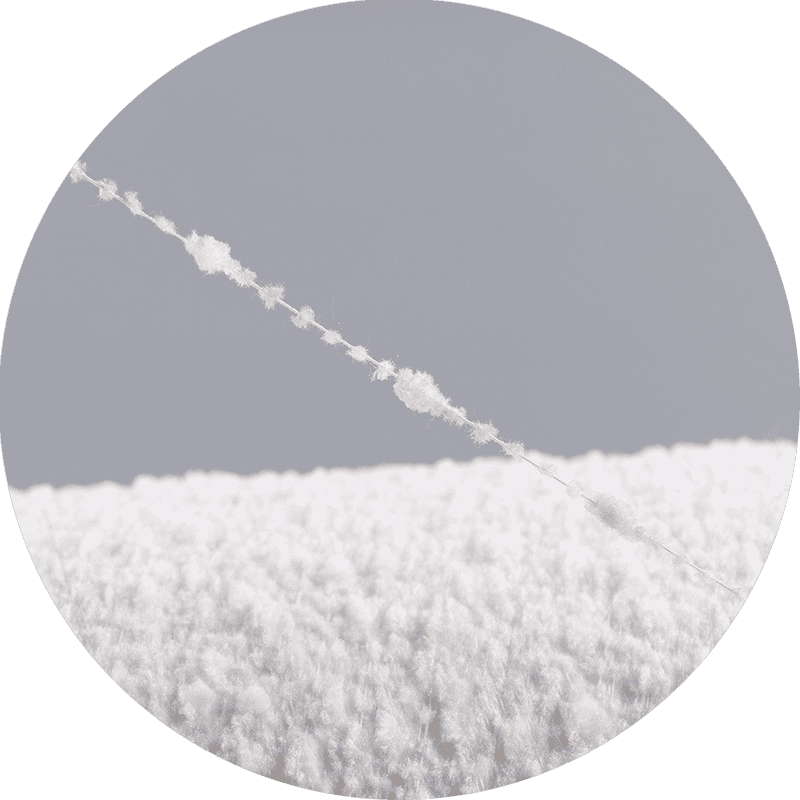
Loop yarn is a kind of fancy yarn, generally composed of core yarn, pressure yarn (sometimes also ca...

 2026.10.13
 Industry News
Content
If you weave upholstery fabric in Dama Town, you already know there are two ways to get color into polyester: add it after the cloth is woven, or build it into the yarn before the yarn ever reaches the loom. The second route is what the trade calls dope dyed polyester yarn, and it has quietly become one of the most requested categories in our sample room.
We have been spinning differentiated polyester yarn in Tongxiang since 2004, and most of the questions we receive about dope dyeing are practical rather than theoretical. Buyers want to know how the color gets in, how it holds up after washing and abrasion, what specifications are available, and how it compares with conventional dyeing on cost and lead time. This guide answers those questions from the perspective of the people who actually run the spinning lines.
Dope dyed polyester yarn, also described as solution dyed, spun dyed or mass colored yarn, is produced by blending a color masterbatch into the polyester polymer before the fiber is extruded. The pigment is dispersed through the melt, so when the filament is quenched, drawn and textured, the color is already locked inside it. The yarn arrives at the loom ready to use, with no dye bath waiting for it at the other end of the process.
The sequence is straightforward once you have seen it. Polyester chips and a masterbatch, which carries the pigment in a polymer carrier, are dried and metered together in a controlled ratio. That blend is melted and extruded, then pushed through a spinneret whose holes determine the filament count and cross-section. The freshly formed filaments are quenched with air, drawn to build tenacity, and finally textured or left as flat yarn depending on the end use.
Because the pigment particles sit inside the polymer matrix rather than on its surface, ordinary wear does not expose a white core. Scuff a conventionally dyed fabric hard enough and a pale streak can appear; with dope dyed yarn the color runs through the entire cross-section.
The table below summarizes the differences our customers ask about most often when they are weighing the two routes for a new program.
| Aspect | Dope Dyed Yarn | Conventionally Dyed |
|---|---|---|
| Where color is added | In the polymer melt, before spinning | In the dye bath, after fabric formation |
| Water consumption | Low, mainly cooling and finishing | High, including dyeing, rinsing and soaping |
| Energy profile | Concentrated in the spinning line | Extra steam, heating and drying stages |
| Colorfastness | Generally excellent to washing and light | Good, but dependent on dye class and process control |
| Batch consistency | Tight when masterbatch dosing is controlled | Can shift with bath chemistry and fabric weight |
| Wastewater load | Substantially reduced | Significant, and requires treatment |
| Best fit | Colored programs at volume, home textiles, technical fabrics | Small lots, prints and surface effects |
Dyeing is one of the heaviest steps in the textile chain, and removing it from the yarn's journey changes the economics of a program in several ways at once. The reasons our customers give us are remarkably consistent:
Shade retention is the headline benefit. Since pigment is distributed through the filament, washing and abrasion gradually affect the polymer surface without releasing a separate color layer. Light fastness is typically strong as well, which is why dope dyed yarn appears so often in upholstery, automotive interiors and outdoor textiles. As with any fiber, performance still depends on construction, finish and the conditions of use, so confirming a lab dip and a wash test before bulk production remains good practice.
Dope dyeing changes how color enters the fiber, not the chemistry of the fiber itself. A dope dyed filament wicks and breathes according to its cross-section, denier and fabric construction, exactly as a conventionally dyed one would. When moisture transport matters, the profile of the filament does more work than the colorant does. We have collected more detail on this topic in our notes on the benefits and applications of dope dyed polyester yarn if you want to go deeper.
Color is only half of the story. The structure of the yarn decides how a fabric feels in the hand and how it catches light. Flat filament gives a clean, quiet surface, textured DTY adds bulk and a softer touch, and loop constructions create a bumpy, three-dimensional face that reads as texture across a sofa or a jacket panel. Loop yarns are also forgiving in weaving, since the ring structure hides small irregularities in the weave.
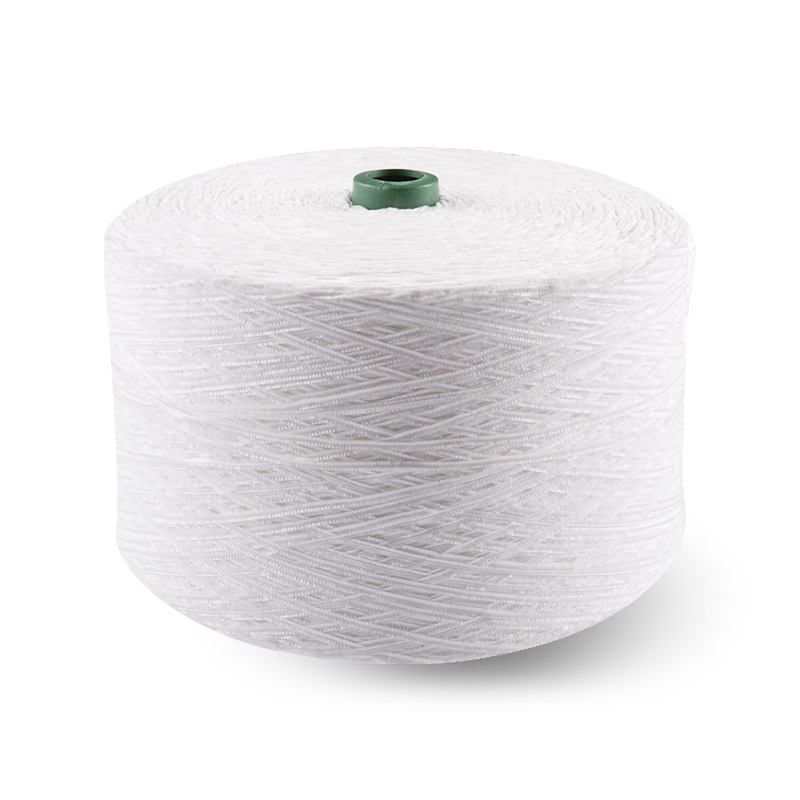
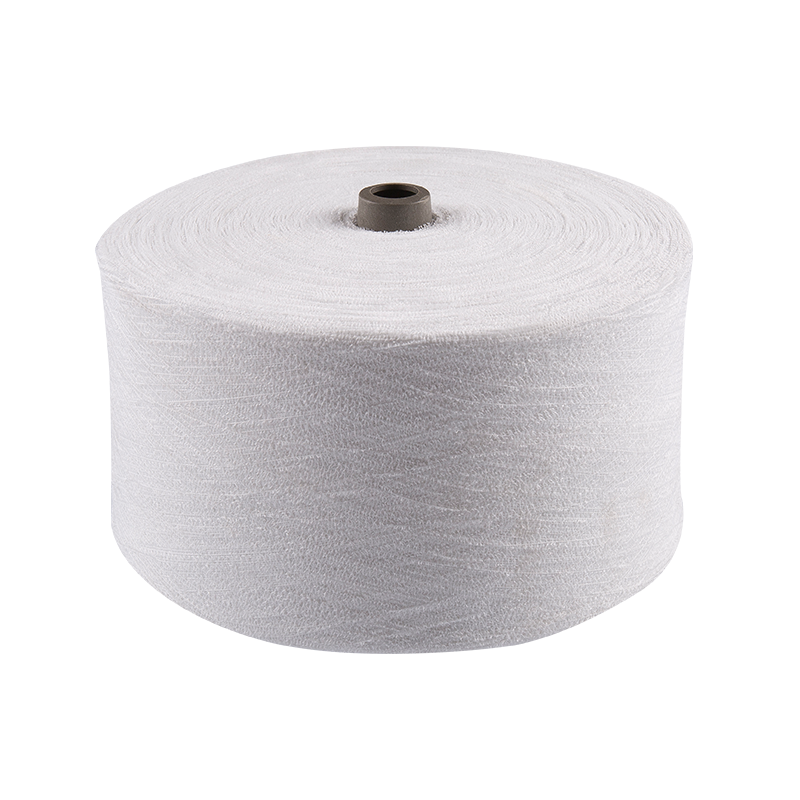 Dope Dyed Polyester Loop YarnLoop yarn is a kind of fancy yarn, generally composed of core yarn, pressure yarn (sometimes also called solid yarn), and decorative yarn. The core yarn and pressure y...View Product →
Because the color is fixed at the fiber stage, dope dyed yarn suits applications where consistent shade and resistance to fading carry real value. The list below reflects the sectors our customers serve most often.
| Application | Why Dope Dyed Fits |
|---|---|
| Sofa and upholstery fabric | Deep, stable shades that resist rubbing and daily wear |
| Curtains and drapery | Light fastness that holds up behind glass |
| Outdoor cushions and awnings | Shade retention under sun and weather exposure |
| Automotive interiors | Tight batch consistency across large programs |
| Knitwear and sportswear | Clean color with no dyeing step after knitting |
| Rugs, mats and industrial webbing | Durability in high-abrasion conditions |
Specification conversations usually start with denier and filament count, because those two numbers decide both the weight of the finished fabric and how the yarn behaves on the machine. From there we move to luster, tenacity, shrinkage and color reference.
One of our most requested specifications is a heavier denier yarn used for upholstery and decorative fabrics, where a substantial hand and strong color presence matter more than fineness.
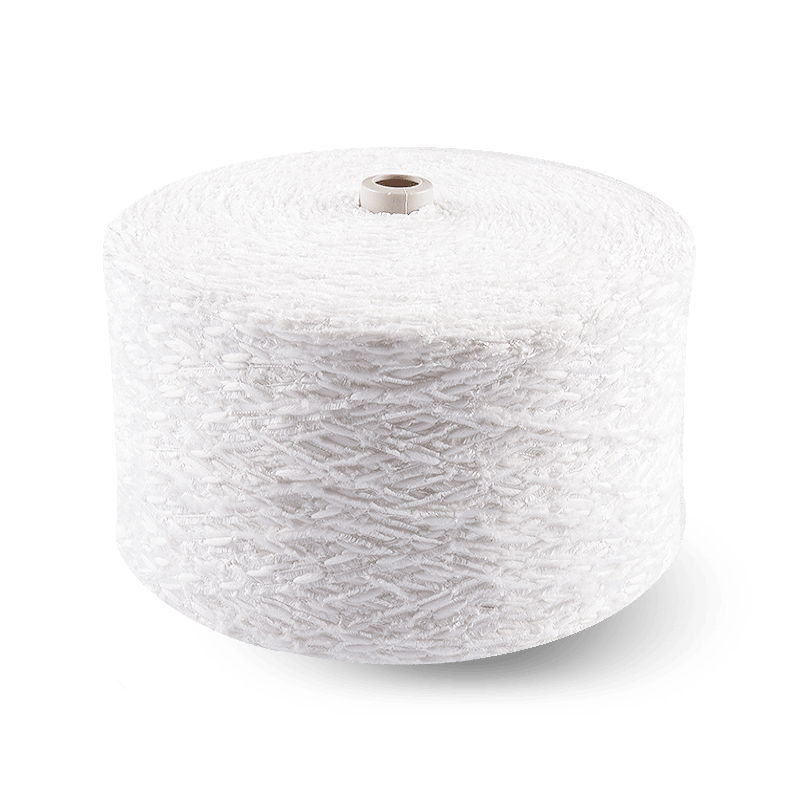
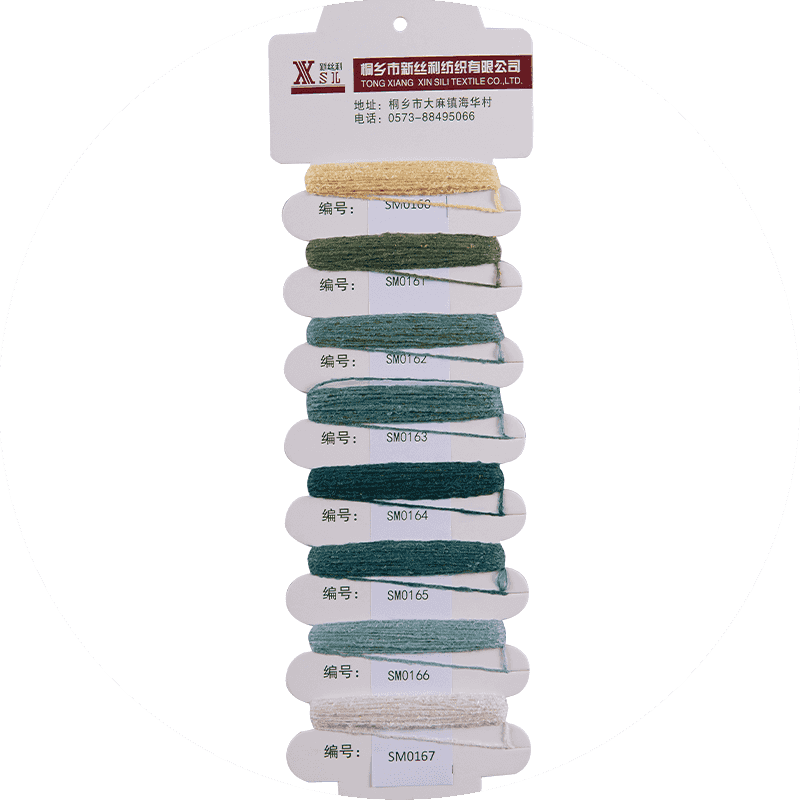 1250d Dope Dyed Polyester YarnColor-spun boucle yarn is a special type of yarn that has been dyed. The yarn has a specific color, which may be a solid color, a mixed color, or a gradient color. The...View Product →
As a yarn factory rather than a trading company, we handle color development and spinning under one roof. A customer sends a swatch or a shade reference, our team reviews it against available masterbatches, and we produce a sample for approval before any bulk run begins. Our own testing laboratory supports that process, and annual capacity allows us to serve buyers who need everything from trial quantities to repeat container volumes.
We sit close to both Shanghai and Ningbo ports, which keeps export logistics simple for customers in nearly ten countries. Working in English, Spanish, Arabic and Turkish also means specification details are less likely to be lost in translation. You can see the full range of what we produce on our main yarn catalogue.
When you request a quotation, the following details help us answer quickly and accurately:
Dope dyed yarn is no more difficult to work with than conventionally dyed yarn, but a few habits keep results consistent:
Dope dyed polyester yarn solves a problem that every colored textile program eventually faces: how to get deep, reliable shade without paying for it in water, energy and lead time. For home textiles, upholstery and technical fabrics, the answer increasingly sits inside the filament itself rather than on its surface. If you are developing a new color program and want to know which specification fits your loom, send us a swatch and a target weight, and our team will tell you honestly what the yarn can do.

Copyright © Tongxiang Xinsili Textile Co., Ltd. All Rights Reserved. Wholesale High Filament DTY Yarn Manufacturers
