
 English
 Español
 عربى
 Türk
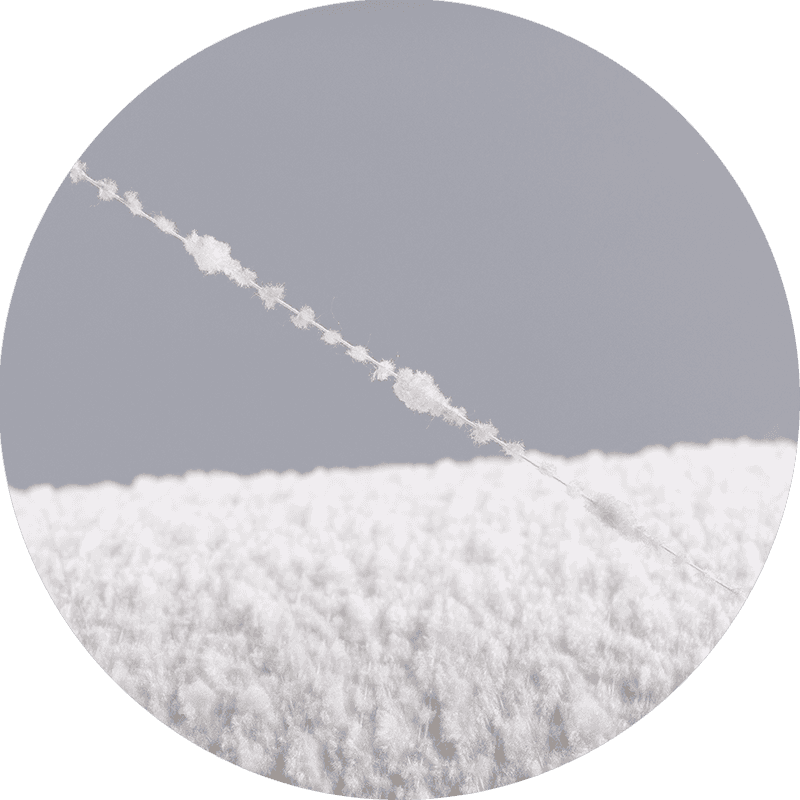
Loop yarn is a kind of fancy yarn, generally composed of core yarn, pressure yarn (sometimes also ca...

 2026.11.17
 Industry News
Content
Finding a doped dyed polyester yarn company is rarely just a price exercise. The yarn sits at the beginning of a long chain of weaving, knitting, finishing, cutting, and sewing, so a small difference in shade or hand can become a large problem later. Buyers need a supplier who understands how color, structure, and consistency behave downstream, not only how a cone looks on a shelf.
As a yarn factory in Tongxiang, we have spent years working with differentiated polyester. That experience has taught us to ask practical questions first: What is the final fabric? How will it be processed? Which shade needs to repeat? The answers usually matter more than a long catalog.
Dope dyeing, also called solution dyeing or spun dyeing, introduces color during fiber production rather than in a later dye bath. For buyers, the appeal is straightforward. The color becomes part of the yarn itself, which can reduce downstream dyeing steps and help keep repeat shades more predictable. It can also support cleaner production planning when a fabric line needs consistent color across several orders.
But not all doped dyed polyester yarns are equal. Pigment dispersion, spinning conditions, drawing, texturing, and winding all affect the final result. A shade that looks correct in a small sample may behave differently in bulk if the supplier does not control the process. That is why a good yarn company should be judged on batch control and communication, not only on a color card.
When a customer sends us a new fabric brief, we look at several basics. These are also useful points for any buyer comparing suppliers.
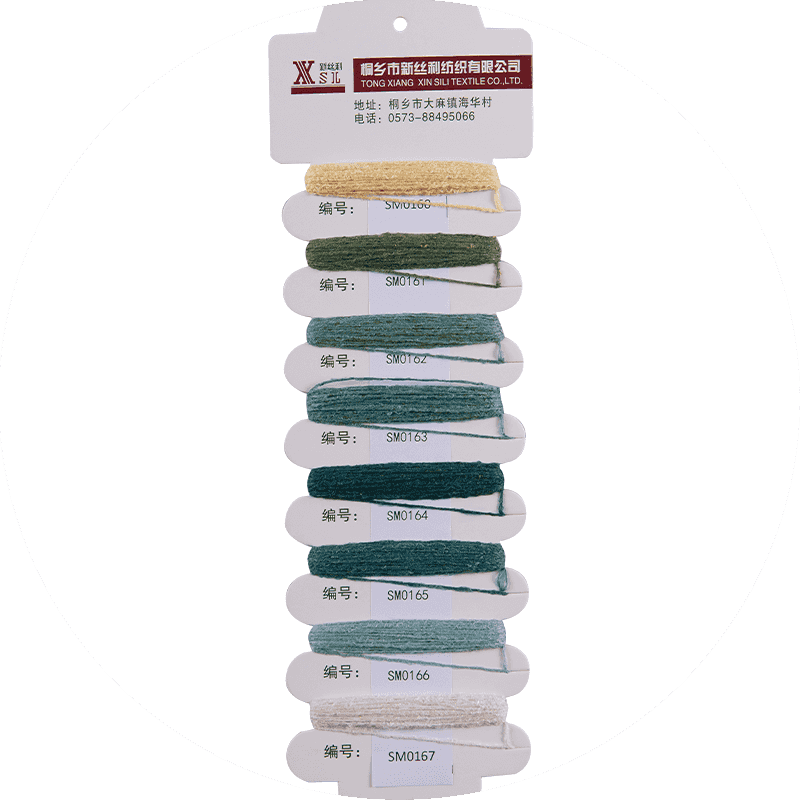
Ask how the supplier controls pigment, spinning lines, and production records. A reliable partner can explain how repeat shades are kept aligned and how slight variations are handled. If color is critical, request sample cones from more than one production lot and compare them under daylight and indoor light.
Doped dyed polyester is not one product. It can be flat filament, textured yarn, loop yarn, chenille-like yarn, or part of a fancy structure. Range matters because a supplier with only one construction may not solve a texture problem. Our own range includes 1250D doped dyed polyester yarn and doped dyed polyester loop yarn, alongside differentiated polyester and fancy yarns for upholstery and apparel projects.
Ask for sample cones, lab dips, and small trial quantities. A supplier who can work from your fabric sample or reference saves time and reduces guesswork. Clear sampling timelines and honest feedback are more useful than vague promises. If a yarn needs adjustment, it is better to learn that before bulk production begins.
Check what tests are performed: linear density, tenacity, elongation, shrinkage, colorfastness, and packing checks. A supplier with an in-house testing lab can catch issues earlier. Communication matters just as much. A technical contact who can answer questions about denier, texture, and recommended use is worth more than a catalog full of options.
For international buyers, shipping location and documentation are part of the product. A factory near major ports can reduce inland transit time. Ask about packing, labels, order lead times, and how repeat orders are handled. Not every good spinner is automatically a good export partner.
| Selection area | What to ask | Why it matters |
|---|---|---|
| Color control | Pigment lot records, repeat shade samples, lab dip process | Reduces shade bands and cutting waste |
| Yarn construction | Denier, filament count, texture, loop or flat structure | Matches fabric hand, cover, and surface |
| Sampling | Sample cone lead time, small batch minimum, custom development | Confirms performance before bulk commitment |
| Quality testing | Tenacity, elongation, shrinkage, colorfastness, packing checks | Catches issues before shipment |
| Delivery | Port access, lead time, export documents, packing method | Protects schedule and landed quality |
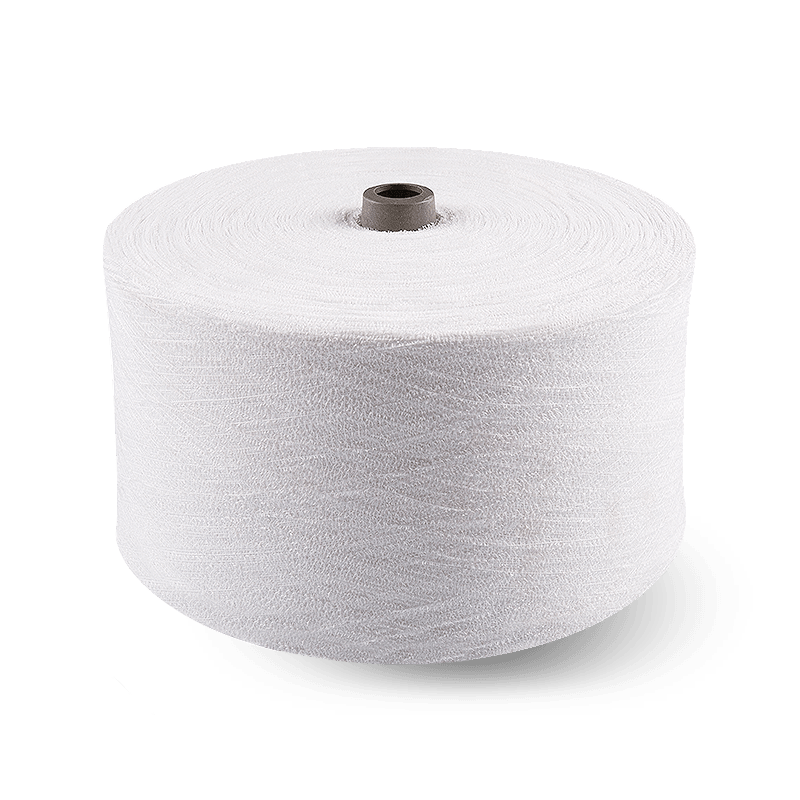
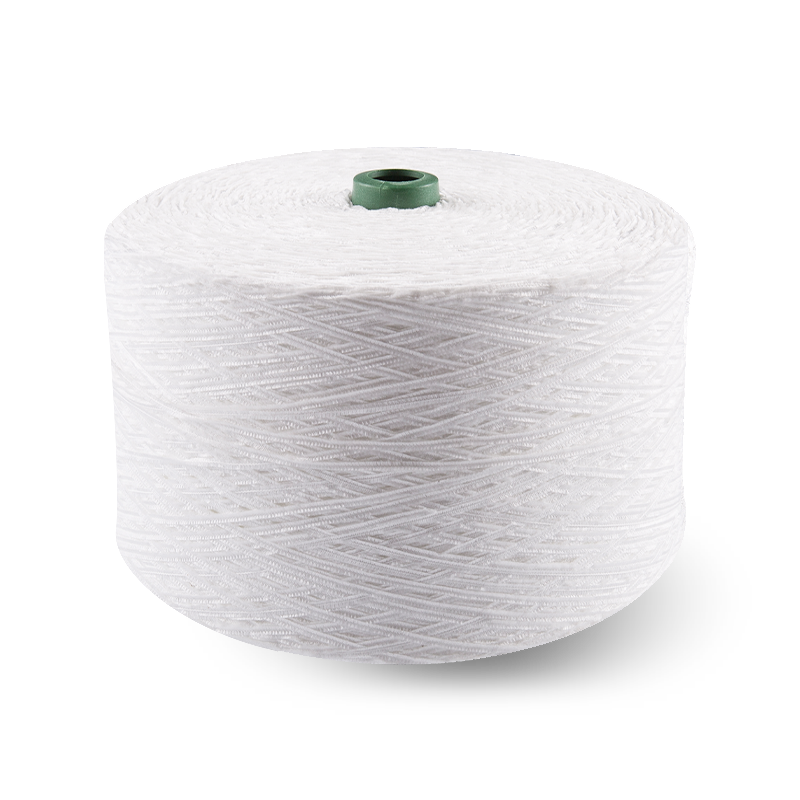
If your fabric needs a clean, strong base with a defined color, a heavier flat yarn can be a practical starting point. Our 1250D doped dyed polyester yarn is often discussed for upholstery, decorative fabric, and other woven or knitted structures where cover and body matter. The product page below lets you check the specification and ask for a sample cone.
 1250D Dope Dyed Polyester YarnA heavier flat polyester yarn for a clean, strong base with built-in color; check specifications and request a sample cone for upholstery or decorative fabrics.View Product →
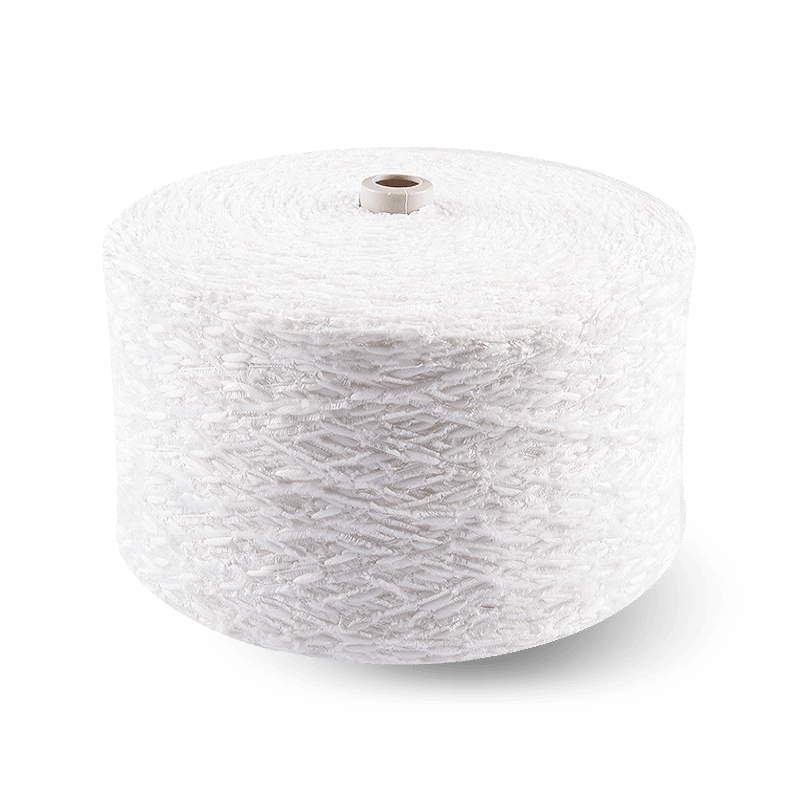
When the surface needs texture rather than a flat hand, a loop structure can do more work. Doped dyed polyester loop yarn adds visual depth and a softer touch, which can suit cushion fabrics, textured upholstery, and apparel accents. Because the color is built in, the loop effect stays part of the yarn rather than sitting on top of a later dye bath.
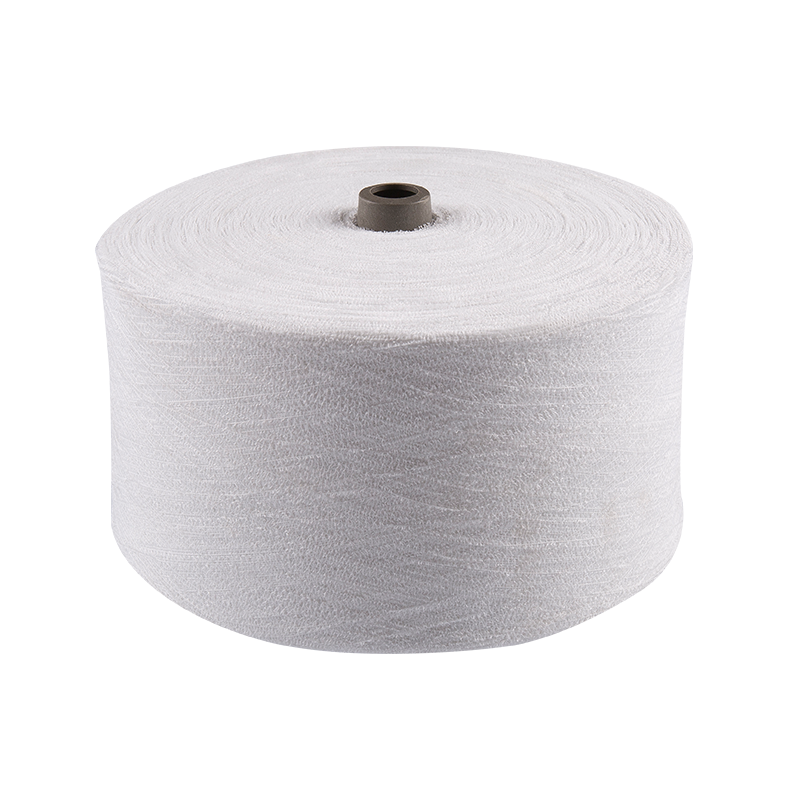 Dope Dyed Polyester Loop YarnA loop-structured doped dyed polyester yarn that adds visual depth and a softer touch for cushion fabrics, textured upholstery, and apparel accents.View Product →
Start with the end use, not the color card. A yarn for heavy upholstery and a yarn for a light scarf may both be doped dyed polyester, but they need different deniers, tenacities, and surface effects. Share a fabric sample, a design reference, or a clear description of the desired hand. Then ask for sample cones in the target shade and construction.
When samples arrive, check more than appearance. Wind a small panel or weave a swatch if possible. Look at shade under daylight and indoor light, measure shrinkage, and feel how the yarn behaves during processing. If the yarn will be washed or exposed to light, ask for relevant colorfastness information. For a deeper look at how dyeing route and application affect the final textile, this article on the benefits and applications of doped dyed polyester yarn is a useful reference.
Doped dyed polyester yarn appears in many products, but the right construction depends on the job. These are common directions we see from buyers:
Our home region, Dama Town in Tongxiang, is known as a sofa fabric town. That setting has taught us to think about how a yarn will look and perform after it is woven, not just how it looks on a cone. The same shade can read differently in a flat weave, a pile fabric, or a loop construction.
A good conversation reveals more than a catalog. When you contact a doped dyed polyester yarn company, ask:
Clear answers to these questions are more useful than a long list of claims. If a supplier cannot explain the process, it is harder to trust the result when the order grows.
Most successful yarn projects follow a simple rhythm. First, define the fabric, end use, and target color. Second, request sample cones and, if needed, a small development batch. Third, confirm the sample on your own equipment or in a trial fabric. Fourth, lock the specification, packing, and delivery schedule. Finally, plan inspection and shipping.
Our team supports this route with in-house testing, custom development from customer samples, and export experience with customers in close to ten countries. We are located near Shanghai and Ningbo ports, which helps with export logistics, and we have an annual capacity of more than 60,000 tons. These points are not a substitute for your own checks, but they help explain how we work.
Tongxiang Xinsili Textile Co., Ltd. has been making differentiated polyester yarn since 2004. We are a yarn factory, and our work sits between polyester raw material and the weavers, knitters, and fabric developers who use it. Our product range includes DTY, linen-like and cotton-like polyester, crochet yarn, chenille, wool-like yarn, loop yarn, and doped dyed polyester. We enjoy the problem-solving part of this work: a customer sends a sample or describes a fabric they want to create, and we look at color, structure, and hand together.
That approach is practical rather than glamorous. It means asking about the end use before recommending a yarn, checking a sample before promising a bulk shade, and keeping communication clear when a detail changes. If you are comparing doped dyed polyester yarn companies, we would rather have a focused conversation about your fabric than send a generic quote.
Whether you need a 1250D base yarn, a textured loop, or a custom shade for a new upholstery collection, start with a clear brief and a sample. Share the fabric direction, target color, estimated quantity, and any processing concerns. A supplier who can respond with specific questions and a realistic sampling plan is usually the one worth moving forward with.
Copyright © Tongxiang Xinsili Textile Co., Ltd. All Rights Reserved. Wholesale High Filament DTY Yarn Manufacturers
