
 English
 Español
 عربى
عربى Türk
Türk
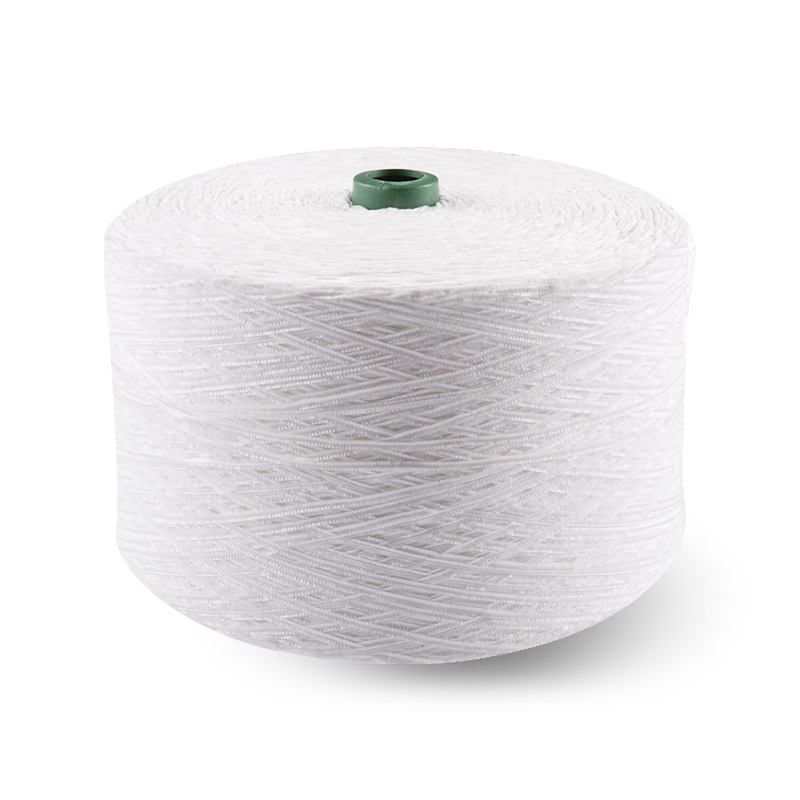
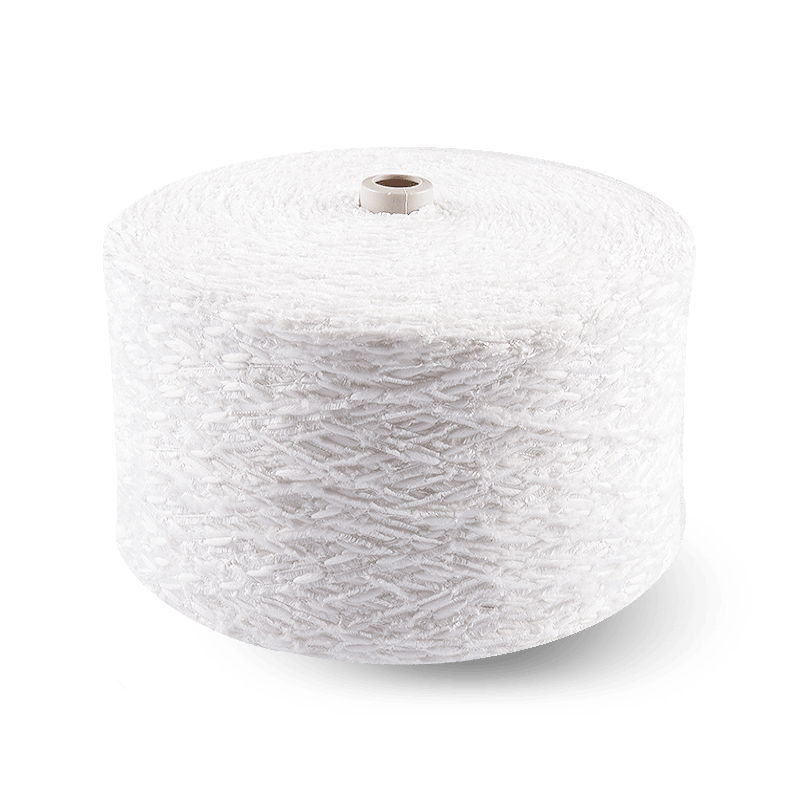
Loop yarn is a kind of fancy yarn, generally composed of core yarn, pressure yarn (sometimes also ca...

 2026.07.08
 Industry News
Content
Yarn can be classified along two independent dimensions that together determine how it looks, feels, and behaves once worked into a finished piece. The first dimension is fiber content, meaning what the yarn is actually made from, whether natural fibers like wool, cotton, or alpaca, or synthetic fibers like acrylic and polyester. The second dimension is construction, meaning how the fiber is spun or twisted into its final strand shape, which produces dramatically different textures even when the underlying fiber content is identical.
Novelty yarns represent a category defined almost entirely by construction rather than fiber alone, since their defining characteristic is an unusual strand shape or surface texture created through specialized spinning techniques. Feather yarn sits within this novelty category and has become one of the most distinctive and recognizable specialty yarns available to knitters and crocheters, prized for the soft, fluffy trim effect it produces without requiring any special stitching technique.
Feather yarn, sometimes called eyelash yarn or fur yarn depending on the manufacturer, consists of a thin core thread with long, fine fibers anchored perpendicular to it at regular intervals, creating a fringe effect that resembles soft down feathers or fine fur once the yarn is worked. The core thread, usually a strong nylon or polyester strand, provides structural integrity, while the protruding fibers, typically made from polyester or acrylic, create the visual and textural effect that gives the yarn its name.
Manufacturers produce feather yarn using a specialized spinning process where the fringe fibers are wrapped and locked around the core thread under controlled tension, ensuring the fringe stays attached through normal handling and washing rather than shedding excessively. The length, density, and stiffness of the fringe fibers vary considerably between brands and product lines, which is why feather yarns range from a delicate, wispy texture to a dense, plush finish depending on the specific product chosen.
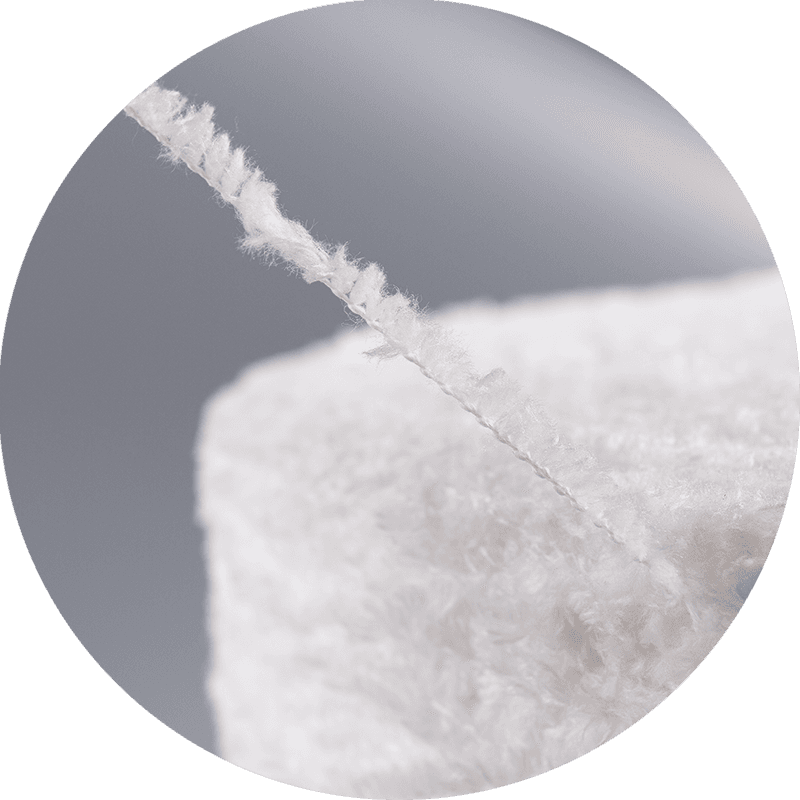
Feather yarn rarely serves as the primary yarn for an entire garment, since its fluffy structure obscures fine stitch detail and can make complex patterning difficult to see or execute cleanly. Instead, it typically appears as a decorative trim or accent, adding textural interest to cuffs, collars, hemlines, or hood edges on garments primarily worked in a smoother, plainer yarn.
Beyond garment trim, feather yarn is popular for scarves and boas worked entirely in the fiber, where its dramatic texture becomes the star of the project rather than a supporting accent. It also appears frequently in children's accessories, holiday-themed craft projects, and costume design, where its soft, eye-catching finish suits playful or whimsical aesthetics far more than everyday practical wear.
Feather yarn presents a genuine challenge for beginners because the dense fringe obscures the individual stitches, making it difficult to see where to insert a needle or hook for the next stitch. Many experienced makers work feather yarn using simple stitches, most often garter stitch in knitting or single crochet in crochet work, specifically because these basic stitches minimize the need to track complex stitch patterns that would be nearly invisible under the fringe.
A useful technique for improving visibility is working with a slightly larger needle or hook size than the yarn's ball band suggests, since this creates looser stitches that are easier to locate by feel even when they cannot be clearly seen. Some makers also recommend working feather yarn while periodically running a finger along the completed rows to check stitch count by touch, since visual counting often proves unreliable with this particular yarn type.
Feather yarn belongs to a broader family of novelty yarns, each constructed to create a specific decorative effect rather than prioritizing ease of stitch definition. Boucle yarn uses tightly wound loops along its length to create a bumpy, textured surface reminiscent of a poodle's coat, offering a firmer and more structured texture than feather yarn's soft, flowing fringe. Chenille yarn features short pile fibers evenly distributed around the entire circumference of the strand, producing a velvety, plush surface that differs from feather yarn's directional fringe effect.
Ribbon yarn takes an entirely different approach, using a flat, ribbon-like strand rather than a rounded fiber core, which creates a completely different drape and visual effect suited more to flowing, fluid textures than fluffy dimension. Understanding these distinctions helps buyers select the correct novelty yarn for their intended visual effect rather than assuming all textured yarns behave similarly once worked.
| Yarn Type | Texture | Common Use |
| Feather Yarn | Soft, fringed, fluffy | Trim, scarves, accessories |
| Boucle Yarn | Looped, bumpy | Sweaters, structured textures |
| Chenille Yarn | Velvety, plush | Blankets, soft home goods |
| Ribbon Yarn | Flat, flowing | Drapey garments, accents |
While feather yarn and other novelty constructions are typically made from synthetic fibers to achieve their specific textures, most everyday knitting and crocheting projects rely on natural fiber yarns valued for their warmth, breathability, and traditional hand feel. Wool remains one of the most popular choices for its natural elasticity, excellent stitch definition, and strong insulating properties, making it a reliable default for sweaters, hats, and mittens intended for genuine cold-weather use.
Cotton yarn offers a cooler, more breathable alternative suited to warm-weather garments and home items like dishcloths or lightweight summer tops, though it lacks wool's natural elasticity and can feel stiffer to work with for beginners. Alpaca and cashmere provide exceptional softness and warmth at a higher price point, often reserved for luxury accessories or special-occasion projects where the investment in premium fiber feels justified by the finished piece's intended use.
Acrylic yarn dominates the budget and beginner-friendly segment of the market, offering reliable washability, resistance to moths and mildew, and a wide range of vibrant, colorfast dye options at a fraction of the cost of natural fibers. Many feather and novelty yarns are constructed primarily from acrylic or polyester specifically because these synthetic fibers hold their shape and color well while remaining inexpensive enough to justify their use in decorative, non-load-bearing applications like trim and accents.
Polyester yarn, often blended with other fibers, adds durability and machine-washability to finished projects, making it a common choice for children's items and blankets that will see frequent laundering. Buyers should note that pure synthetic yarns generally breathe less effectively than natural fibers, so garments intended for direct skin contact in warm conditions may benefit from a natural-synthetic blend rather than a purely synthetic yarn.
Selecting the right yarn ultimately depends on matching fiber content and construction to your project's function and your own skill level with that particular yarn type. Feather yarn and other novelty constructions excel at adding decorative texture and visual interest but demand patience and simplified stitch patterns to work with successfully, making them better suited to accent pieces than full, structurally complex garments for most makers.
For core garment pieces requiring clear stitch definition, reliable warmth, and predictable drape, natural fibers like wool and cotton, or dependable synthetics like acrylic, remain the more practical foundation. Combining a smooth, structural yarn for the body of a project with a decorative novelty yarn like feather yarn for trim often produces the most successful result, capturing both the practical performance and the visual flair each yarn type does best.

Copyright © Tongxiang Xinsili Textile Co., Ltd. All Rights Reserved. Wholesale High Filament DTY Yarn Manufacturers
