
 English
 Español
 عربى
عربى Türk
Türk
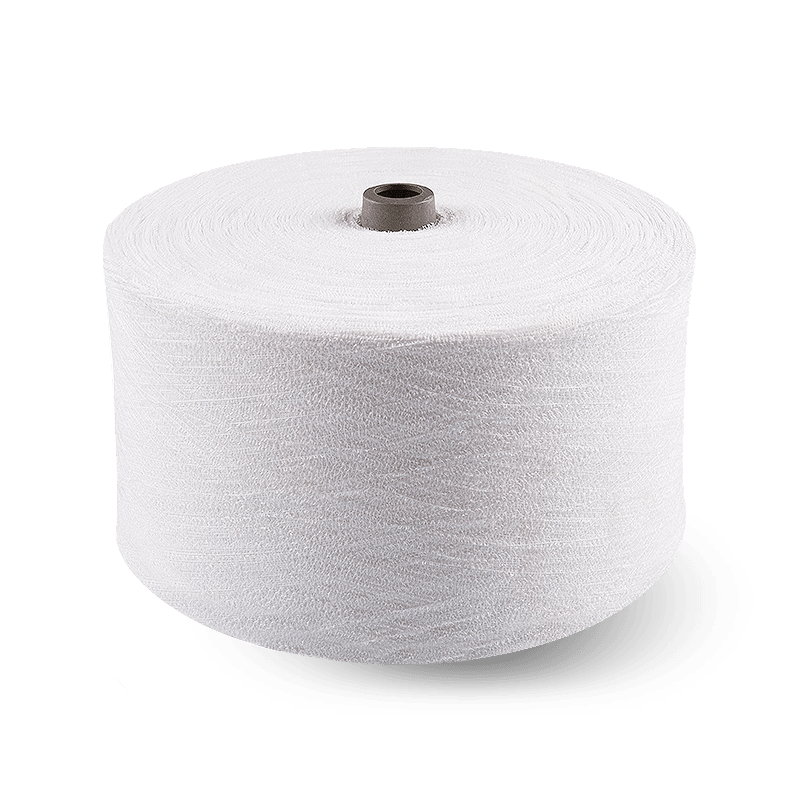
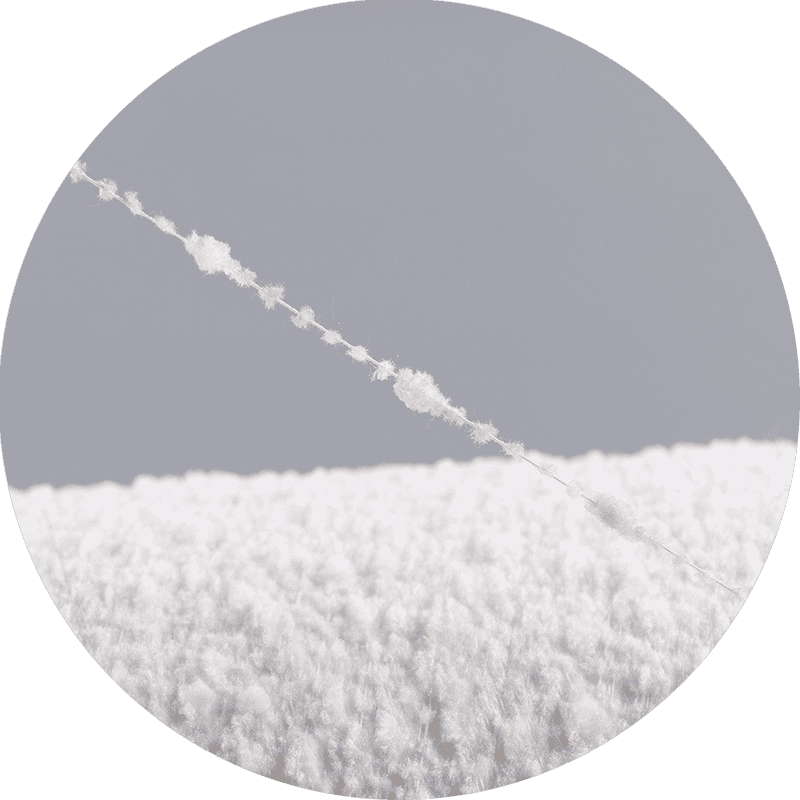
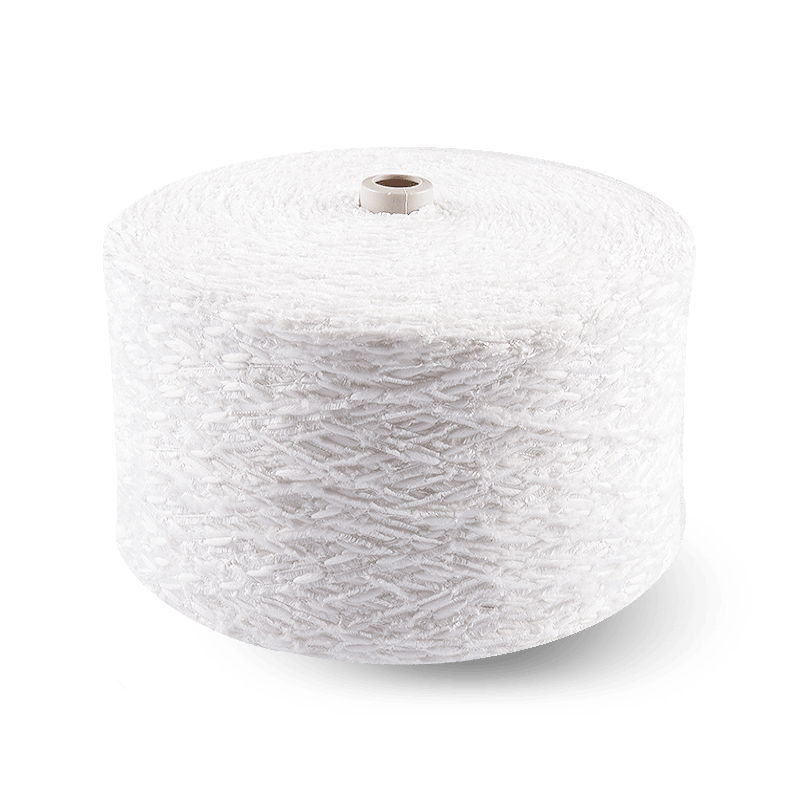
Loop yarn is a kind of fancy yarn, generally composed of core yarn, pressure yarn (sometimes also ca...

 2026.07.02
 Industry News
Content
Crochet yarn is not a single category of material but a broad range of fibers, weights, and textures that behave differently under a hook. Unlike knitting needles, which glide smoothly through loops, a crochet hook grabs and pulls yarn through stitches repeatedly, so the yarn needs enough structure to hold its shape without splitting or fraying. Beginners often assume any yarn will work, but the wrong choice can make even simple stitches frustrating to complete.
A good crochet yarn typically has a smooth, even twist that resists splitting when the hook passes through it. It should also have enough elasticity to allow stitches to be pulled snug without becoming stiff or brittle. Cotton, acrylic, wool, and various blends all meet this requirement in different ways, which is why understanding fiber type is just as important as understanding weight or color.
Plied yarns, made from two or more strands twisted together, tend to perform best for crochet because they resist splitting. Single-ply yarns can look beautiful but are more prone to pilling and fraying, especially in projects that require frequent hook insertion, such as amigurumi or dense stitch patterns. When shopping, checking the yarn label for ply count can save significant frustration later.
Yarn weight refers to the thickness of the strand, and it directly affects gauge, drape, and how long a project takes to complete. Patterns almost always specify a recommended weight, and substituting without adjusting hook size can throw off the entire finished measurement. The table below summarizes common weight categories and their typical uses.
| Weight Category | Typical Hook Size | Common Uses |
| Lace / Fingering | 1.5mm - 2.5mm | Doilies, shawls, delicate accessories |
| Sport / DK | 3mm - 4mm | Baby items, lightweight garments |
| Worsted | 4.5mm - 5.5mm | Sweaters, blankets, amigurumi |
| Bulky | 6mm - 9mm | Chunky scarves, quick home decor |
| Super Bulky | 10mm and above | Rugs, arm-crochet projects |
Worsted weight yarn is generally the easiest starting point for new crocheters because the stitches are large enough to see clearly, yet the fabric still holds its shape well. Fingering and lace weights require more precision and patience, so they are better suited to those who already have consistent tension control.
Fiber content influences everything from stitch definition to how a finished piece feels and washes. Selecting the wrong fiber for a project's purpose can lead to items that stretch out of shape, feel scratchy, or fail to hold up over time.
Cotton yarn is prized for its crisp stitch definition and durability, making it a common choice for dishcloths, market bags, and summer garments. Wool, on the other hand, offers excellent warmth and elasticity, which makes it ideal for winter accessories, though it typically requires more careful washing to avoid felting.
Acrylic yarn remains one of the most widely used options because it is affordable, machine washable, and available in an enormous range of colors. It is particularly well suited to blankets, toys, and everyday household items that need to withstand frequent use and cleaning.
Many yarns combine natural and synthetic fibers to balance cost, durability, and comfort. A wool-acrylic blend, for example, can offer some of wool's warmth while reducing itchiness and improving washability, making it a practical middle-ground option for garments worn close to the skin.
Beyond weight and fiber, the intended use of a project should guide the final yarn choice. Consider the following general guidelines when selecting yarn for common crochet projects.
When shopping for crochet yarn, it helps to buy a small test skein before committing to a large quantity, especially for an unfamiliar brand or fiber. Testing a swatch reveals how the yarn feels in hand, how it holds stitches, and whether the color matches expectations under natural light.
It is also wise to check the yardage per skein rather than relying solely on weight in grams, since different fibers and thicknesses can vary significantly in how far they stretch. Keeping a small notebook or spreadsheet of favorite yarn brands, weights, and hook pairings can make future project planning far more efficient.
Finally, always check the care instructions on the yarn label before starting a project intended as a gift or for everyday use. Choosing a fiber that matches the recipient's lifestyle, whether that means machine washable acrylic for a busy household or hand-wash-only wool for a special-occasion piece, ensures the finished item stays useful and looks good for years to come.

Copyright © Tongxiang Xinsili Textile Co., Ltd. All Rights Reserved. Wholesale High Filament DTY Yarn Manufacturers
