
 English
 Español
 عربى
عربى Türk
Türk
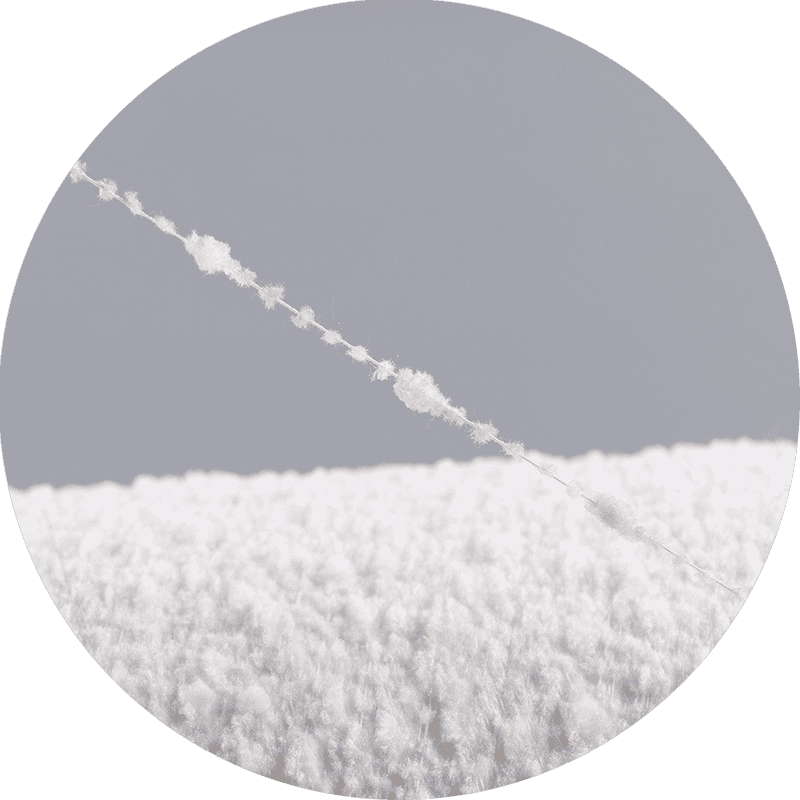
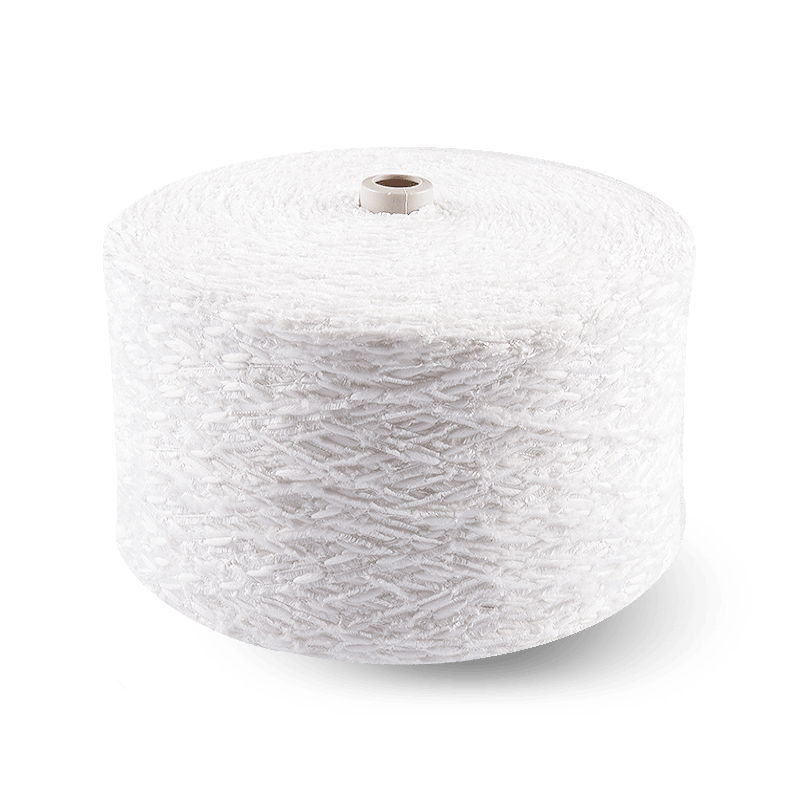
Loop yarn is a kind of fancy yarn, generally composed of core yarn, pressure yarn (sometimes also ca...

 2026.04.14
 Industry News
Content
Crochet yarn is the foundation of every successful crochet project, directly influencing the texture, appearance, durability, and comfort of the finished product. Whether creating blankets, garments, baby accessories, handbags, home décor, or decorative crafts, selecting the appropriate yarn is one of the most important decisions for both beginners and professional crafters.
Different yarns behave differently during stitching. Some fibers create smooth and defined stitch patterns, while others offer softness, elasticity, or decorative texture. The right crochet yarn not only improves ease of use but also ensures that the final item matches the intended design, functionality, and long-term performance.
For yarn suppliers, wholesalers, and textile manufacturers, crochet yarn remains a highly demanded product category in the global DIY, handmade, and craft materials market.
Crochet yarn is available in a wide range of fibers, each suited to different applications. Understanding these materials helps users make better purchasing decisions.
Cotton yarn is highly popular because of its smooth texture, excellent stitch definition, and breathability. It is widely used for summer garments, dishcloths, table mats, bags, and baby products.
Acrylic yarn is cost-effective, lightweight, and available in numerous colors. It is ideal for blankets, scarves, hats, and beginner-friendly crochet projects.
Wool offers warmth, elasticity, and softness, making it perfect for winter clothing and cozy home accessories.
Blended yarn combines the advantages of multiple fibers, such as cotton-polyester or wool-acrylic blends, balancing softness, durability, and affordability.
| Yarn Type | Main Feature | Best Use |
| Cotton | Smooth and breathable | Bags and garments |
| Acrylic | Affordable and colorful | Blankets and scarves |
| Wool | Warm and elastic | Winter wear |
Yarn weight refers to thickness and directly impacts stitch size, drape, and project appearance. Choosing the right yarn weight is essential for achieving the desired result.
Fine yarn is commonly used for lace, baby clothes, and delicate decorative pieces.
This is one of the most versatile choices for blankets, sweaters, hats, and beginner projects.
Bulky yarn is perfect for quick projects, winter accessories, and chunky decorative items.
Different projects require specific yarn properties to ensure the best finished result.
Soft acrylic or blended yarns are excellent choices because they are warm, easy to wash, and budget-friendly.
For garments such as sweaters, cardigans, and shawls, yarn softness and skin comfort are critical.
Cotton yarn works especially well for baskets, cushion covers, plant hangers, and table accessories.
Professional buyers and crafters should evaluate yarn specifications carefully.
Higher ply yarn generally offers better strength and stitch definition.
Quality yarn should resist fading after repeated washing and long-term use.
For washable items, low shrinkage is important to maintain size and shape.
The crochet and handmade craft market continues to grow globally. Eco-friendly recycled yarns, organic cotton, gradient color yarns, and chunky textured yarns are increasingly popular.
Soft pastel shades and natural earth tones are currently favored in fashion and home décor projects.
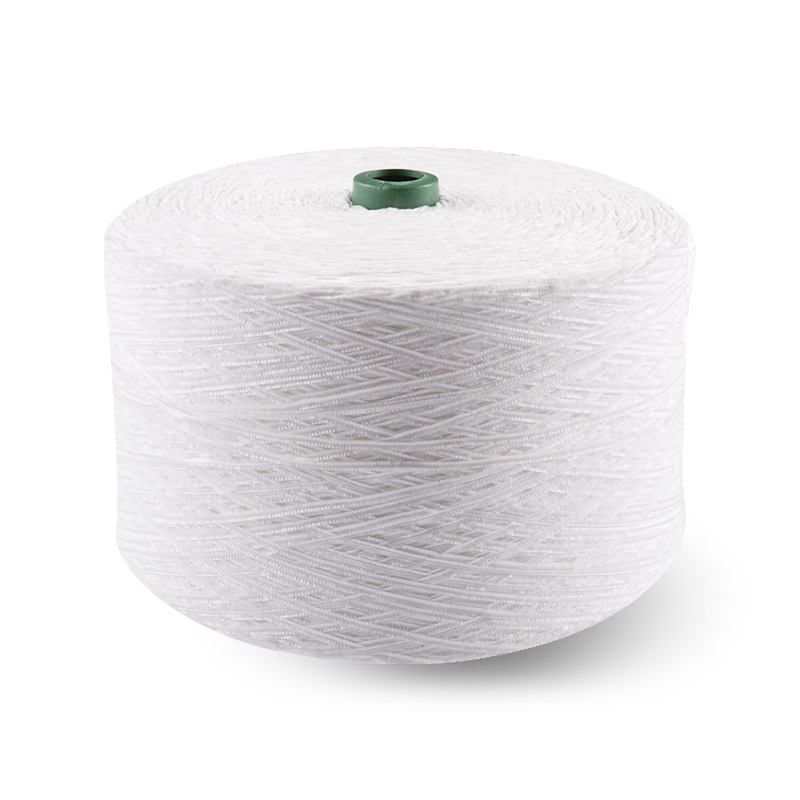
Proper storage helps preserve yarn quality and prevents dust, moisture, and tangling.
Choosing the right crochet yarn is essential for achieving beautiful, durable, and practical handmade projects. By considering fiber type, yarn weight, project purpose, and technical specifications, users can significantly improve both crafting experience and finished quality. Whether for hobby use, retail supply, or wholesale sourcing, high-quality crochet yarn remains a valuable product in the global textile and DIY market.

Copyright © Tongxiang Xinsili Textile Co., Ltd. All Rights Reserved. Wholesale High Filament DTY Yarn Manufacturers
