
 English
 Español
 عربى
عربى Türk
Türk
Loop yarn is a kind of fancy yarn, generally composed of core yarn, pressure yarn (sometimes also ca...

 2026.04.22
 Industry News
Content
Feather yarn is a novelty yarn type characterized by fine, wispy strands — called flags or barbs — that extend outward from a central core thread at regular intervals, mimicking the appearance and texture of a feather or fringe. Unlike conventional spun yarns where fibers are twisted together into a uniform strand, feather yarn is engineered through a specialized production process that binds short fiber lengths to a base thread in a way that allows them to stand away from the core rather than lying flat against it. The result is a yarn with exceptional visual lightness, a soft halo effect, and a distinctive tactile quality that sets it apart from smooth or textured yarns.
The construction typically involves a plied core — often two or more fine threads twisted together — around which the flag fibers are locked during the spinning or twisting process. The core provides structural integrity and tensile strength, while the flags provide the decorative and tactile properties that define feather yarn's appeal. Depending on the fiber content and manufacturing technique, the flags can be short and dense for a fluffy appearance, long and wispy for a more dramatic feathered effect, or arranged in graduated lengths that create a three-dimensional fringe-like silhouette along the length of the yarn.
Feather yarn is produced from a wide range of fiber types, and the choice of fiber has a significant impact on the finished fabric's drape, durability, warmth, care requirements, and overall aesthetic. Understanding the fiber composition is essential for selecting the right feather yarn for a specific project or end use.
Polyester is by far the most common fiber used in commercial feather yarn production. Its fine, uniform filament structure is ideal for creating the delicate flags that define this yarn type, and polyester's inherent properties — excellent color uptake, low cost, washability, and resistance to pilling and shedding — make it highly practical for mass-market applications. Polyester feather yarn is widely used in fashion knitwear, accessories, and home décor items where vibrant color, consistent quality, and easy care are priorities.
Nylon-based feather yarns offer superior strength and elasticity compared to polyester, making them a preferred choice for applications that require the yarn to withstand stretching and recovery — such as sock cuffs, fitted garments, or items that need to hold their shape over repeated wear and washing. Nylon also has excellent abrasion resistance and produces a particularly silky, lustrous flag texture that looks refined and polished in finished fabrics.
Acrylic feather yarns are popular in the hand-knitting and crochet market due to their softness, wide color availability, and low price point. Acrylic flags tend to be slightly less fine than polyester or nylon versions, giving the yarn a puffier, more voluminous appearance. These yarns are machine washable and dryable, making them practical for items like scarves, children's accessories, and home textiles that need to withstand regular laundering.
Premium feather yarns are sometimes produced with natural fiber flags or cores, incorporating wool, mohair, alpaca, or silk alongside synthetic components. Mohair is particularly well-suited to feather yarn construction — its long, fine staple length creates a naturally lustrous halo that blends beautifully with the flag structure. These blended yarns occupy the upper end of the market and are valued for their luxurious hand feel, natural fiber properties, and the organic irregularity that distinguishes them from purely synthetic alternatives.
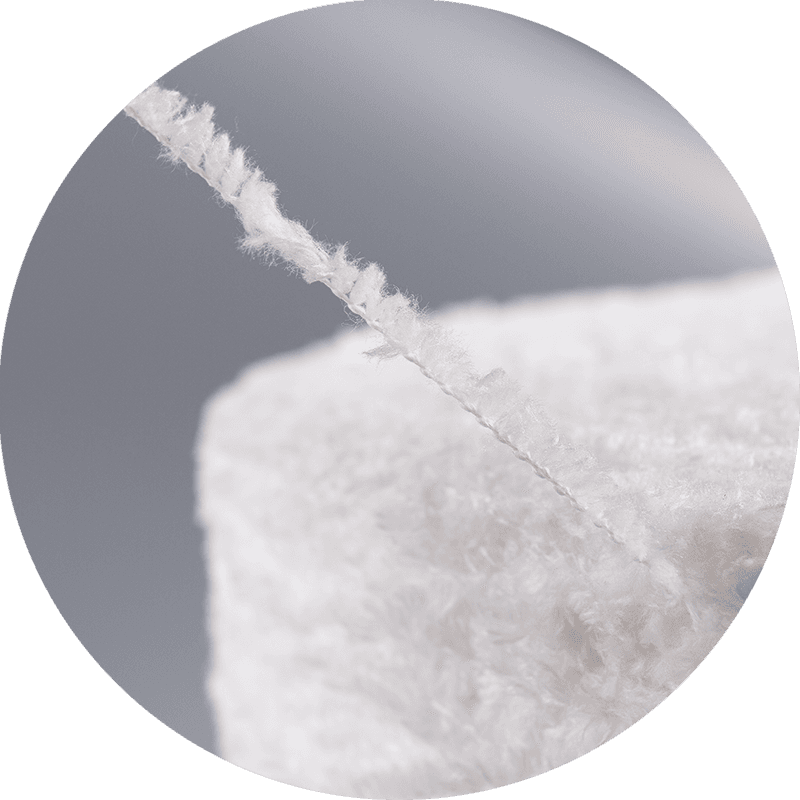
Feather yarn's unique visual and tactile character makes it particularly well-suited to applications where surface texture, decorative effect, and visual lightness are design priorities. It is used across fashion, accessories, home textiles, and craft markets in a variety of ways.
Feather yarn occupies a specific niche within the broader category of novelty or fancy yarns, each of which achieves its visual effect through a different structural approach. Understanding how feather yarn compares to related types helps crafters and designers make more targeted selections for their projects.
| Yarn Type | Visual Effect | Texture | Best Application |
| Feather Yarn | Wispy flags from central core | Soft, fringe-like, lightweight | Scarves, trims, fashion knitwear |
| Eyelash Yarn | Fine lash-like loops from core | Dense, fuzzy, lash-textured | Accent yarn, novelty accessories |
| Boucle Yarn | Looped, bumpy surface | Irregular, looped, bulky | Outerwear, structured knitwear |
| Ladder Yarn | Flat ribbon with rungs | Flat, graphic, open structure | Scarves, decorative weaving |
| Chenille Yarn | Velvety, plush pile | Soft, dense, caterpillar-like | Home textiles, plush garments |
Among novelty yarns, feather yarn is distinguished by its particularly open, airy structure and the directional quality of its flags, which lie naturally in one direction much like real feather barbs. This gives knitted or crocheted feather yarn fabric a dynamic, directional appearance that changes subtly depending on viewing angle — an effect that boucle, chenille, and eyelash yarns cannot replicate.
Working with feather yarn presents specific challenges that differ from smooth or even textured yarns. The flags that make this yarn visually appealing also obscure the stitchwork, making it difficult to see individual stitches, count rows, or identify and correct errors. Being prepared for these characteristics before beginning a project saves significant frustration and improves finished results.
Quality varies considerably across feather yarn products, and a few key indicators help distinguish well-made yarn from lower-grade alternatives that may look similar in product images but perform very differently in use. Flag density and uniformity are the first things to assess — quality feather yarn should have flags distributed evenly along the entire length of the core, with consistent flag length and no bare sections where the core is exposed. Uneven flag distribution creates patchy, inconsistent fabric and typically indicates poor manufacturing control.
Core strength is equally important and often overlooked in favor of surface appearance. The core thread must be strong enough to resist breakage under the tension of knitting or crocheting. Test this by gently pulling a short length of yarn between both hands — a quality feather yarn core should feel firm and resist stretching without snapping. Weak cores result in yarn breaks mid-project and are a significant sign of poor material quality.
For buyers sourcing feather yarn at commercial scale — such as knitwear manufacturers, fashion designers, or yarn retailers — request physical samples before committing to a bulk order and assess colorfastness by rubbing a damp white cloth against the yarn. Excessive color transfer indicates inadequate dyeing fixation that will result in color bleed during end-product washing. Also verify that the yarn meets any relevant safety or certification requirements for the target market, particularly if the finished products are intended for children's clothing or items with extended skin contact.
Finished items made from feather yarn require careful laundering to preserve both the structural integrity of the fabric and the appearance of the flags. Most polyester and acrylic feather yarn items can be machine washed on a gentle cycle in cool water, but aggressive agitation in a standard wash cycle can cause the flags to tangle, mat, or permanently flatten — destroying the open, feathered appearance that makes the yarn distinctive.
Place feather yarn items in a mesh laundry bag before washing to limit mechanical stress and prevent the flags from catching on other items in the load. Use a mild liquid detergent and avoid fabric softeners, which can coat the fine flags and cause them to clump together. After washing, gently reshape the item by hand and lay it flat to dry away from direct heat or sunlight. Do not wring or twist feather yarn items, as this deforms the flag structure and can permanently alter the fabric's appearance. Once dry, a gentle shake or a low-heat tumble for just a few minutes can help restore any flags that have flattened during drying.

Copyright © Tongxiang Xinsili Textile Co., Ltd. All Rights Reserved. Wholesale High Filament DTY Yarn Manufacturers
