
 English
 Español
 عربى
عربى Türk
Türk
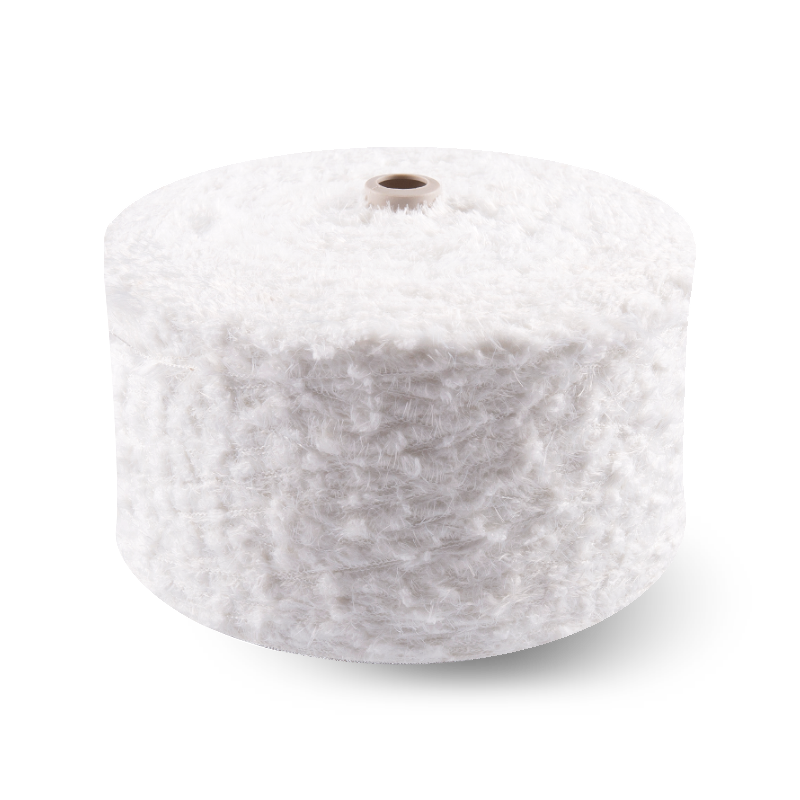
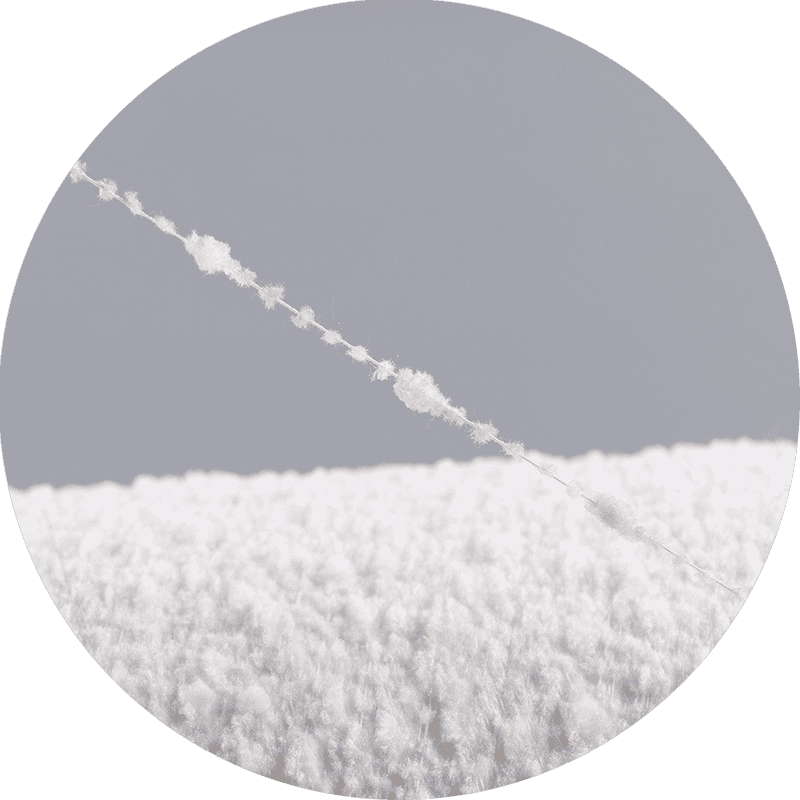
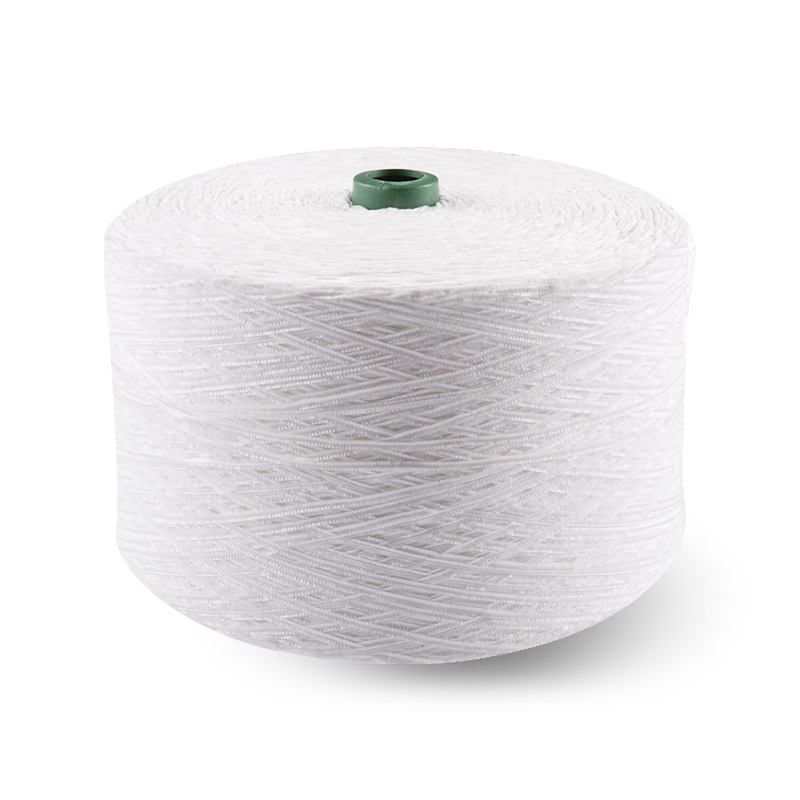
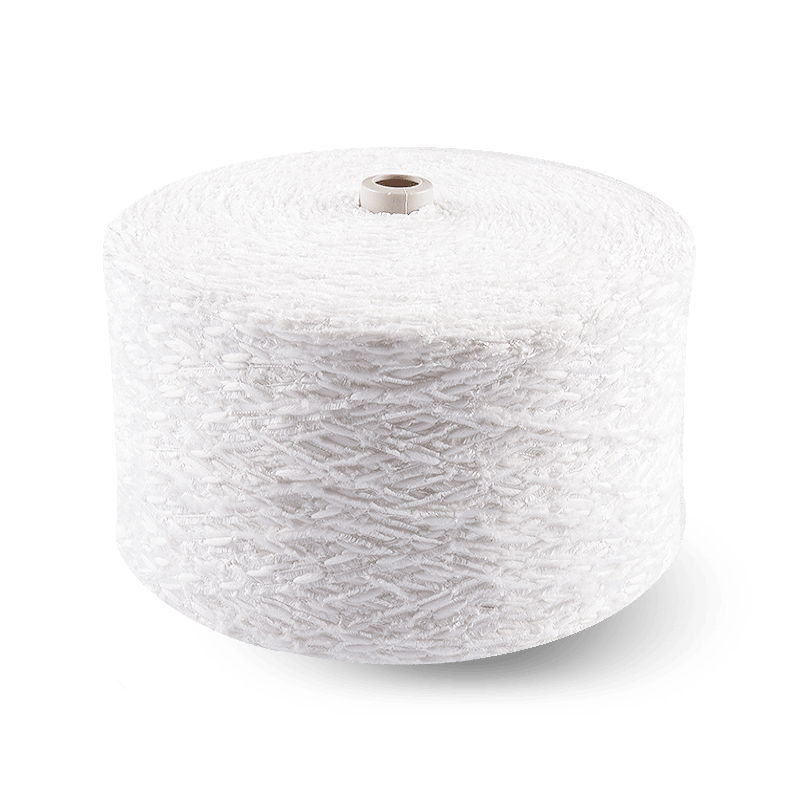
Loop yarn is a kind of fancy yarn, generally composed of core yarn, pressure yarn (sometimes also ca...

 2026.04.02
 Industry News
Content
Crochet yarn is a fundamental component in determining the overall outcome of any crochet project. The type, thickness, fiber composition, and texture of yarn significantly influence the final product's appearance, feel, durability, and drape. Understanding how different yarns behave is crucial for both beginners and experienced crocheters to achieve desired results.
Selecting the appropriate yarn can transform a simple pattern into a high-quality finished product or, conversely, lead to undesired results such as uneven texture, improper sizing, or a lack of structural integrity. This article explores the multifaceted impact of using different crochet yarns.
Natural fiber yarns include cotton, wool, silk, and bamboo. Cotton yarn provides excellent stitch definition and is durable, making it ideal for garments, dishcloths, and summer wear. Wool offers warmth, elasticity, and softness, suitable for winter clothing, scarves, and hats. Silk and bamboo provide luxurious drape and sheen but require careful handling due to their delicate structure.
Synthetic yarns, such as acrylic, polyester, and nylon, are durable, resistant to shrinkage, and often more affordable. They maintain color vibrancy over time and are less prone to pilling. Synthetic blends combine the benefits of multiple fibers, offering flexibility, elasticity, and ease of care.
Blended yarns combine natural and synthetic fibers to achieve specific properties, such as softness, durability, elasticity, and color retention. They are versatile and can be used for a wide range of projects from home decor to wearable items.
Different yarns create varying textures and stitch clarity. For example, smooth cotton yarn shows every stitch sharply, enhancing lacework and intricate patterns. Wool, especially when brushed, produces a soft, fuzzy surface that may obscure detailed stitch patterns but adds warmth and a plush feel.
The fiber’s twist and ply also affect texture. High-twist yarns tend to be firm and offer crisp stitches, while low-twist or loosely spun yarns produce softer, more relaxed fabrics that may sag over time. Yarn texture directly influences both the visual and tactile experience of the final crochet piece.
The drape of a crochet project is determined largely by yarn weight, fiber type, and elasticity. Light, smooth fibers like bamboo or silk create flowing, elegant drape suitable for shawls and scarves. Heavier yarns, such as bulky wool or acrylic blends, yield structured fabric ideal for blankets or outerwear.
Elasticity and memory of the fiber influence how a fabric recovers from stretching. Wool has natural elasticity, allowing garments to maintain shape, whereas cotton is less elastic and may require careful stitch selection or blocking to retain form. Yarn choice can therefore affect both appearance and practical usability.
Durability depends on fiber strength, ply, and treatment. Wool and acrylic are highly resilient and resist wear, making them suitable for frequently used items. Cotton and silk may wear down faster in high-friction areas but are breathable and comfortable.
Blended yarns enhance longevity by combining fibers that resist abrasion with those that provide softness and elasticity. Proper care, including gentle washing and avoiding excessive friction, ensures that the crochet product maintains its original structure and appearance for years.
Different yarns absorb dyes differently, affecting color intensity and uniformity. Natural fibers often take dye beautifully, producing rich, deep colors. Synthetic fibers may have brighter, more uniform hues and are less prone to fading.
Specialty yarns, such as variegated or gradient yarns, create unique color transitions and patterns that are highly dependent on fiber type and stitch density. The same crochet pattern can look dramatically different depending on the yarn selection, giving designers creative flexibility.
Copyright © Tongxiang Xinsili Textile Co., Ltd. All Rights Reserved. Wholesale High Filament DTY Yarn Manufacturers
