
 English
 Español
 عربى
عربى Türk
Türk
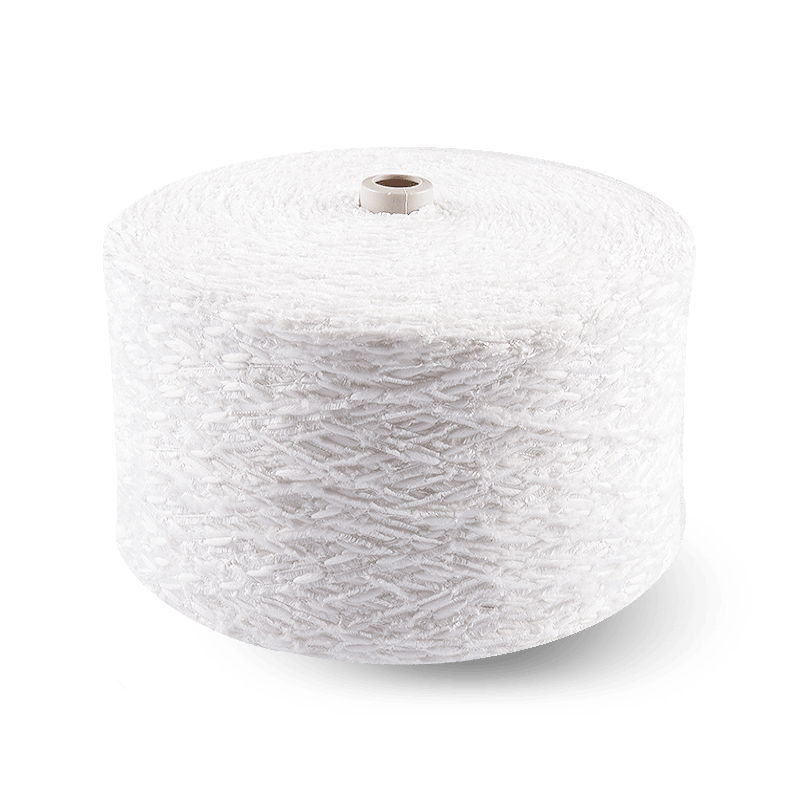
Loop yarn is a kind of fancy yarn, generally composed of core yarn, pressure yarn (sometimes also ca...

 2026.06.23
 Industry News
Content
Chenille, velvet, and plush yarns all belong to the same family of pile yarns — yarns engineered to produce a soft, dense, fabric-like surface rather than the smooth twisted strand of conventional wool or cotton. Despite sharing a similar tactile quality, each has a distinct construction that affects how it handles during knitting or crocheting and what it produces in the finished piece.
Chenille yarn is made by trapping short fiber lengths between two twisted core threads, creating a fuzzy caterpillar-like strand with pile radiating outward in all directions. Velvet yarn uses a similar pile construction but with a finer, more uniform pile that lies flat in one direction, producing a smooth, directional sheen similar to woven velvet fabric. Plush yarn tends to use a longer, looser pile than chenille, resulting in an even softer, more voluminous texture — closer to the feel of a stuffed animal or plush toy surface. All three are predominantly manufactured from polyester microfiber, which gives them their characteristic softness, color vibrancy, and resistance to pilling, though cotton and viscose versions exist for specific applications.
The most natural application for chenille, velvet, and plush yarns is home décor, where their softness, weight, and luxurious appearance translate directly into high-value finished pieces. These yarns produce home textiles that look and feel far more expensive than their material cost would suggest, which makes them a favorite for makers who sell their work as well as for those making gifts.
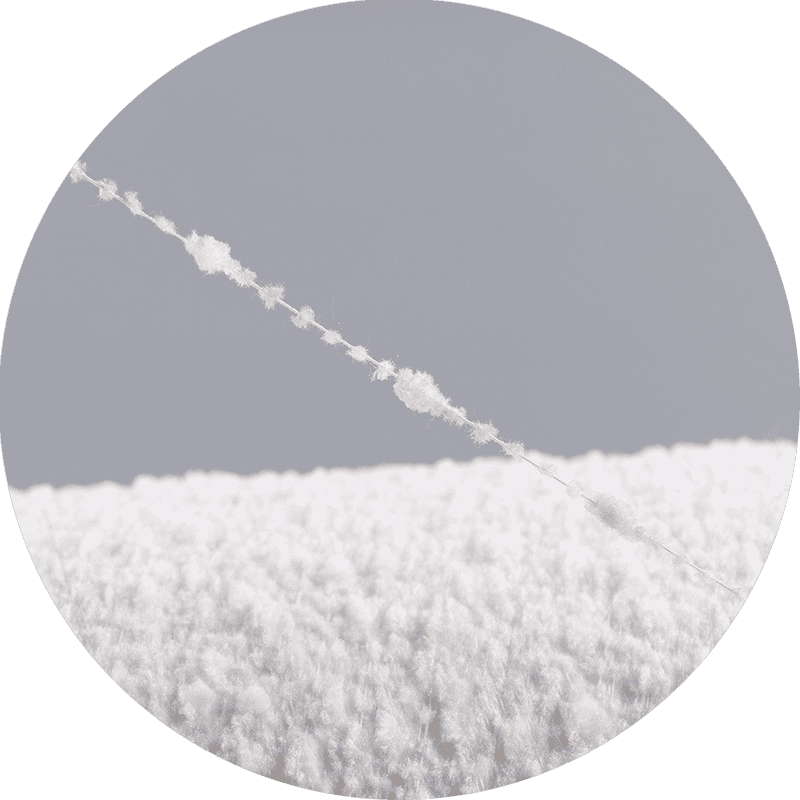
Chunky chenille throws are among the most popular pile yarn projects for good reason. The dense pile creates a blanket with exceptional softness and a fabric weight that feels substantial without being overly heavy. A simple single crochet worked in chenille produces a surface almost indistinguishable from a woven velvet blanket. For knitters, a basic stockinette or garter stitch in chunky velvet yarn creates a smooth, directional sheen across the blanket surface. These projects typically require 400–800 grams of yarn depending on finished size and are suitable for beginners who can handle a simple, repetitive stitch, though the pile can make it difficult to see individual stitches — a consideration discussed in more detail later in this guide.
Cushion covers made from velvet or chenille yarn are fast to work up and produce a visually dramatic result with minimal construction. A basic 40×40 cm cushion cover worked in single crochet or knitted stockinette stitch requires only 150–200 grams of bulky pile yarn and can be completed in a single sitting. The pile surface hides the stitch work almost entirely, meaning technique imperfections are invisible in the finished piece — an advantage for newer makers. Adding a zipper closure or envelope back using a complementary woven fabric keeps construction simple while producing a professional result.
Flat home accessories like table runners and placemats benefit from velvet yarn's directional sheen. When worked in rows of single crochet or a simple flat knit, velvet yarn produces a surface that catches light differently depending on the viewing angle — the same optical effect as woven velvet fabric. For washability, polyester velvet yarn is preferable to viscose-based options, as viscose pile yarns can flatten permanently when machine washed. Always check the care label before selecting yarn for frequently laundered items.
Pile yarns are less universally applicable to garments than conventional smooth yarns, but there are specific wearable categories where they perform excellently. Understanding which garment types suit pile yarns prevents the frustration of completing a project that is uncomfortable or unwearable.
Scarves and cowls are the most reliable wearable application for chenille and velvet yarn. The pile surface creates a luxuriously soft accessory that sits against the neck without the scratchiness that can affect wool-based options. A simple ribbed cowl in velvet yarn — using a 2×2 knit-purl rib — produces a clean, stretchy fabric that drapes beautifully and retains its shape. For crochet, a foundation single crochet base with rows of half double crochet creates a dense, scarf-weight fabric with excellent drape in chenille yarn. Keep scarf width modest (15–20 cm) to preserve the directional sheen of velvet yarn across the full width of the piece.
Beanies worked in chunky chenille or plush yarn produce a dramatically soft result with the same visual appeal as velvet-lined winter hats. The pile surface provides genuine insulation value alongside its aesthetic appeal. One practical consideration: the crown decreases required for hat shaping are harder to execute in pile yarn than in smooth yarn because individual stitches are obscured by the pile. Using stitch markers at every decrease point and working in good light helps significantly. Most adult hat patterns in bulky weight yarn translate well to chunky chenille with minimal gauge adjustment.
Full garments — sweaters, cardigans, and tops — are generally not recommended for pile yarns for several practical reasons. The pile surface creates friction against clothing worn underneath, causing garments to ride up uncomfortably. The pile also sheds on dark fabrics worn beneath. Additionally, seaming pile yarn garments is technically challenging because the pile obscures stitch edges, making mattress stitch or whipstitch seams very difficult to execute neatly. If a pile yarn garment is a specific creative goal, choose a simple drop-shoulder or boxy construction that minimizes shaping and seaming.
Plush yarn is the dominant choice for crocheted amigurumi (stuffed toys) and soft toy making because its long, dense pile replicates the surface of commercial stuffed animals. A toy worked in plush yarn requires no additional finishing — the pile surface itself provides the soft, tactile quality that makes the finished piece appealing to children and collectors alike. The longer pile of plush yarn compared to chenille also does a better job of concealing the tight, dense single crochet typically used in amigurumi construction.
When selecting plush yarn for toys, prioritize colorfast options with certifications confirming they are free from harmful substances — particularly important for toys intended for young children. Look for OEKO-TEX Standard 100 certification as a baseline. Use polyester fiberfill rated for toy stuffing rather than repurposed materials, and ensure all safety eyes are secured on a backing washer before the toy is assembled. For children under three, embroidered eyes are safer than plastic safety eyes.
| Project Type | Best Yarn Choice | Why It Works |
| Throws and blankets | Chunky chenille | Dense pile, high softness, substantial drape |
| Cushion covers | Velvet or chenille | Hides stitch work, luxurious surface finish |
| Table runners | Velvet yarn | Directional sheen, flat pile, decorative effect |
| Scarves and cowls | Velvet or chenille | Soft against skin, excellent drape, fast to make |
| Beanies and hats | Chunky chenille | Warm, soft, visually striking finished look |
| Amigurumi and toys | Plush yarn | Long pile mimics stuffed toy surface perfectly |
| Baby items | Fine chenille (certified) | Gentle on skin, hypoallergenic polyester options available |
Fine-weight chenille yarn is widely used for baby blankets, booties, and nursery accessories because polyester microfiber chenille is naturally hypoallergenic, machine washable, and extremely gentle against newborn skin. Baby-weight chenille produces a blanket that is softer than most conventional acrylic baby yarns while remaining durable enough to withstand repeated washing at low temperatures. When selecting chenille for baby items, look for OEKO-TEX certification confirming the yarn is free from harmful chemicals, and avoid heavy or chunky pile weights that could shed loose fibers.
Popular baby projects in chenille yarn include receiving blankets worked in simple single crochet or garter stitch, hooded towels combining chenille yarn with a woven terry cloth body, and stuffed animals using plush yarn for the pile surface. Avoid loose or open stitch patterns in baby items — the pile can separate from the core in open lacework stitches, creating loops that pose an entanglement hazard.
Pile yarns have a reputation for being difficult to work with, but most of the challenges are manageable once you understand what causes them and how to compensate.
Most polyester chenille, velvet, and plush yarns are machine washable on a gentle or delicate cycle at 30°C or lower. Use a laundry bag for smaller items — stuffed toys, hats, and cushion covers — to prevent the pile from catching on other garments in the wash. Avoid fabric softener, which can coat the microfiber pile and reduce its softness over time. Tumble dry on a low heat setting or air dry flat to prevent distortion of the fabric structure. High heat will permanently damage polyester pile, causing the fibers to fuse and lose their soft texture.
If the pile becomes flattened or matted after washing or extended use, restore it gently by brushing the surface with a soft-bristled pet slicker brush or a clean toothbrush in short strokes following the natural direction of the pile. This lifts the fibers back to their original position and restores the fabric's original softness. This technique is particularly effective on velvet yarn projects where the directional sheen is important to the appearance of the finished piece.


Copyright © Tongxiang Xinsili Textile Co., Ltd. All Rights Reserved. Wholesale High Filament DTY Yarn Manufacturers
