
 English
 Español
 عربى
عربى Türk
Türk
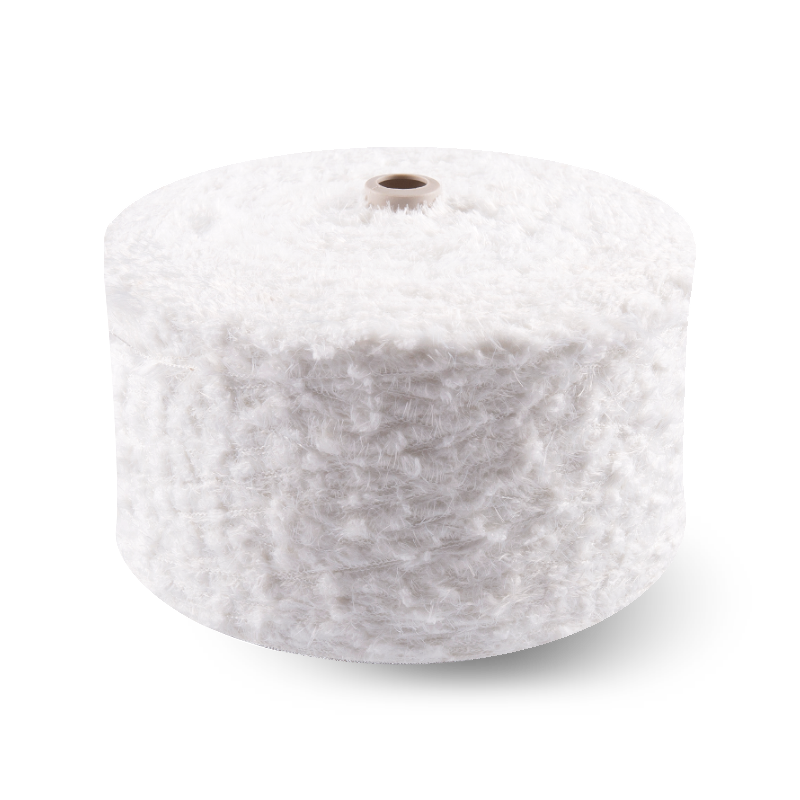
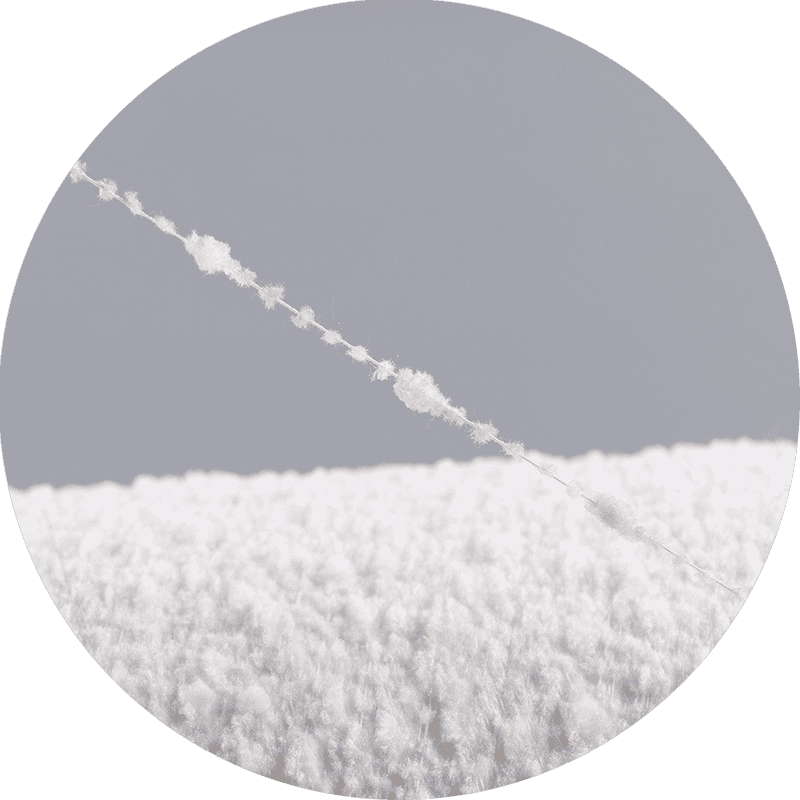
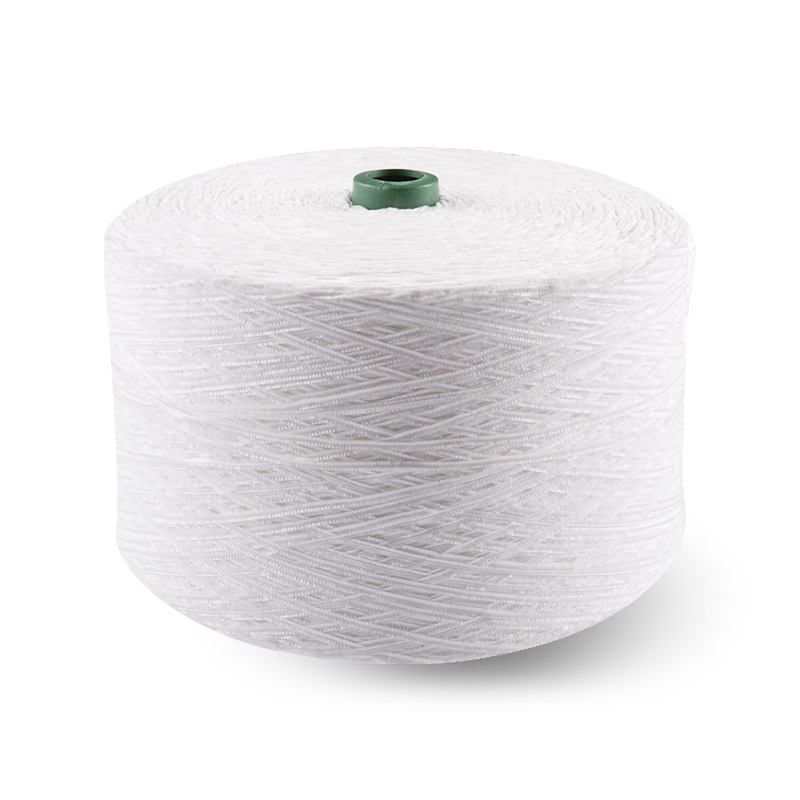
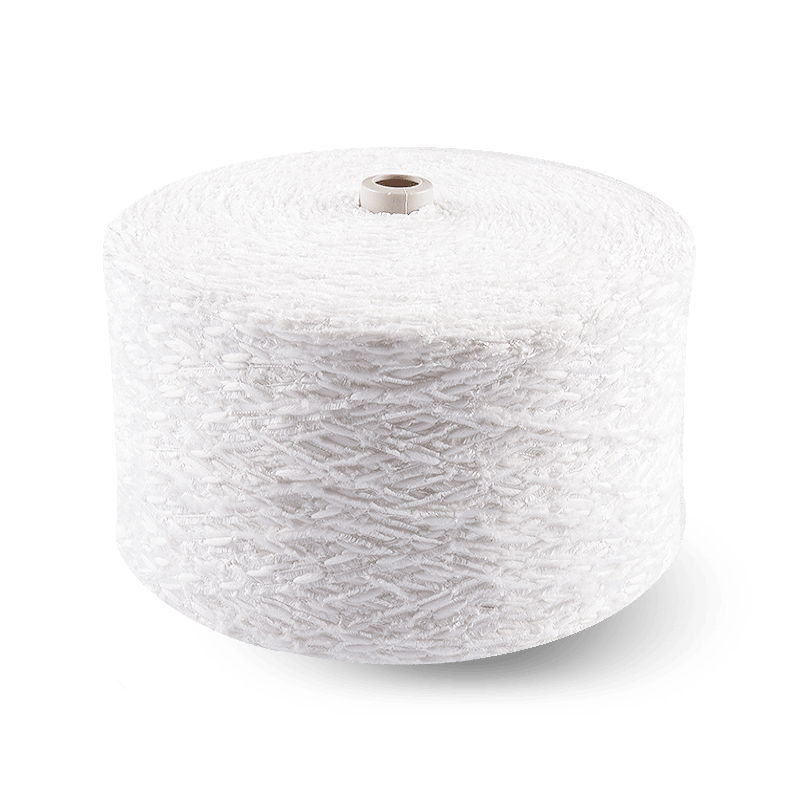
Loop yarn is a kind of fancy yarn, generally composed of core yarn, pressure yarn (sometimes also ca...

 2026.06.16
 Industry News
Content
Choosing the right crochet yarn affects nearly every aspect of a finished project, from how it drapes and feels to how easy it is to work with as a stitcher. A yarn that splits constantly, pills quickly, or behaves unpredictably under tension can turn an enjoyable project into a frustrating one, while the right yarn can make even a beginner pattern look polished and professional. Beyond the stitching experience itself, fiber content and weight also determine whether the final piece will be warm or breathable, sturdy or delicate, and machine washable or in need of careful hand laundering.
Because crochet projects range from delicate doilies to chunky blankets and wearable garments, no single yarn type works for every purpose. Understanding the core categories of fiber and weight allows crafters to make informed choices that match both the pattern requirements and the intended use of the finished item.
Yarn fiber content significantly influences texture, durability, and care requirements. The table below summarizes the most commonly used fibers in crochet projects.
| Fiber Type | Characteristics | Best For |
| Acrylic | Affordable, durable, machine washable | Blankets, beginner projects, everyday wear |
| Cotton | Breathable, sturdy, holds stitch definition well | Dishcloths, summer garments, amigurumi |
| Wool | Warm, elastic, naturally insulating | Sweaters, hats, scarves, mittens |
| Alpaca | Soft, lightweight, very warm | Cold weather accessories, luxury garments |
| Blended Yarns | Combines benefits of multiple fibers | Versatile use across many project types |
Blended yarns, such as a wool and acrylic mix, are particularly popular because they combine the warmth and softness of natural fibers with the durability and easy care of synthetic materials, often at a more accessible price point than pure natural fiber yarns.
Yarn weight refers to the thickness of the strand, which directly affects stitch size, project drape, and how quickly a piece works up. Crochet patterns almost always specify a recommended yarn weight, making it important to understand the standard categories before substituting a different yarn.
Substituting a different yarn weight than the pattern recommends will change the finished size, drape, and yarn requirements significantly, so crafters who want to experiment with substitutions should plan to make a swatch first and adjust hook size or stitch count accordingly.
Yarn weight and crochet hook size are closely linked, since using a hook that is too small or too large for the yarn can result in fabric that is either too stiff and tight or too loose and floppy. Most yarn labels include a recommended hook size range printed directly on the packaging, which serves as a reliable starting point even when working from a pattern that suggests a slightly different size.
For projects requiring a denser, sturdier fabric, such as bags or baskets, choosing a hook size smaller than the yarn label recommends can tighten the stitches and reduce gaps. Conversely, sizing up the hook creates a looser, more open fabric, which works well for airy shawls or lacy patterns where drape and light penetration are desirable qualities.
Garments benefit from yarns with good elasticity and drape, such as wool blends or cotton acrylic combinations, since these fibers move comfortably with the body and tend to hold their shape after repeated wear. Avoiding overly stiff or scratchy yarns is especially important for items worn close to the skin, such as sweaters and cardigans.
Amigurumi projects typically call for smooth, tightly spun cotton or acrylic yarn that produces crisp stitch definition and prevents stuffing from showing through gaps between stitches. Cotton yarn is especially popular for this purpose because its firmness helps toys hold their shape well over time.
Blankets and home decor items often benefit from soft, machine washable acrylic or acrylic blend yarns, since these items are used frequently and require easy laundering. Worsted or bulky weight yarns are particularly popular for blankets because they work up relatively quickly while still producing a cozy, substantial fabric.
New crocheters often feel overwhelmed by the sheer variety of yarn options available, but a few practical guidelines can simplify the decision process and lead to a more enjoyable learning experience.
By learning to evaluate fiber content, weight category, and project suitability together, crocheters at any skill level can make more confident yarn choices that lead to finished pieces they are proud to use, wear, or give as gifts.
Copyright © Tongxiang Xinsili Textile Co., Ltd. All Rights Reserved. Wholesale High Filament DTY Yarn Manufacturers
