
 English
 Español
 عربى
عربى Türk
Türk
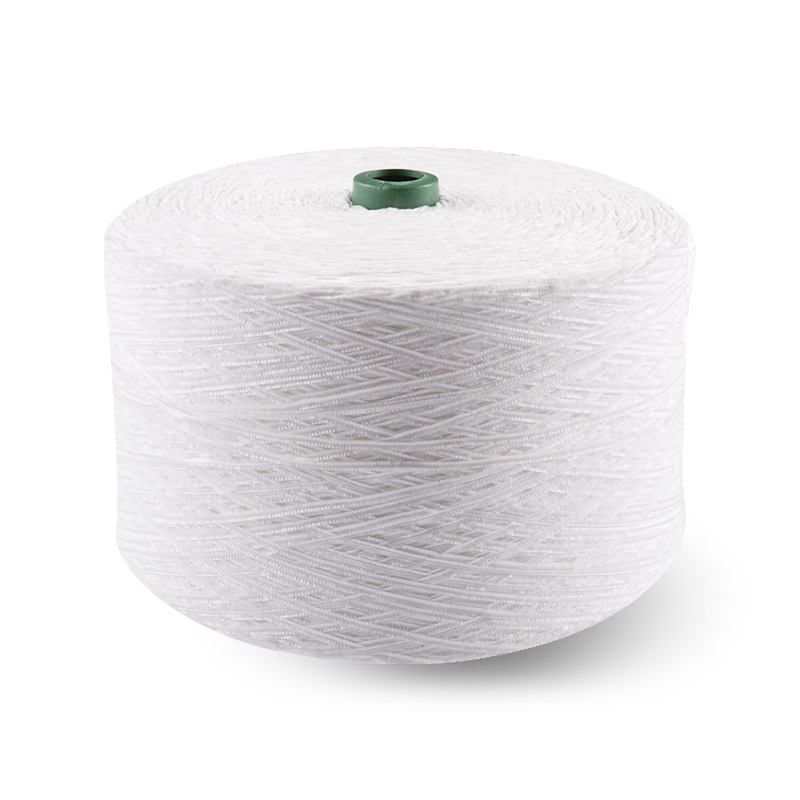
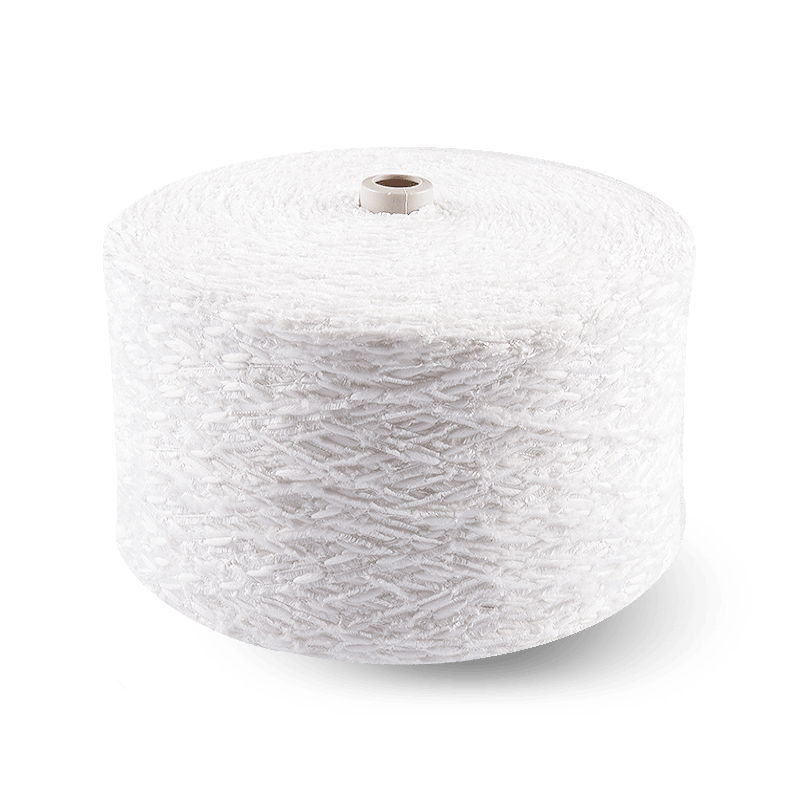
Loop yarn is a kind of fancy yarn, generally composed of core yarn, pressure yarn (sometimes also ca...

 2026.07.16
 Industry News
Content
Polyester yarn has become one of the most widely used synthetic fibers in textile manufacturing, valued for its durability, affordability, and versatility across applications ranging from clothing to industrial materials. Unlike natural fibers such as cotton or wool, polyester is engineered from petroleum-based polymers, giving manufacturers precise control over its strength, texture, and performance characteristics. This guide explains how polyester yarn is made, the different types available, and how to choose the right one for a given project.
Polyester yarn begins as a synthetic polymer, most commonly polyethylene terephthalate (PET), which is derived from petroleum through a chemical process combining ethylene glycol and terephthalic acid. Once formed, this polymer is melted and forced through small holes in a device called a spinneret, producing continuous filaments that cool and solidify into fibers.
These filaments can then be processed in different ways depending on the intended yarn type. Continuous filament yarn keeps the fibers as long, unbroken strands, producing a smooth, lustrous texture often used in silk-like fabrics. Alternatively, filaments can be cut into short staple lengths and spun together, similar to how natural fibers are processed, resulting in a yarn with a softer, more matte, cotton-like texture that blends more easily with natural fibers.
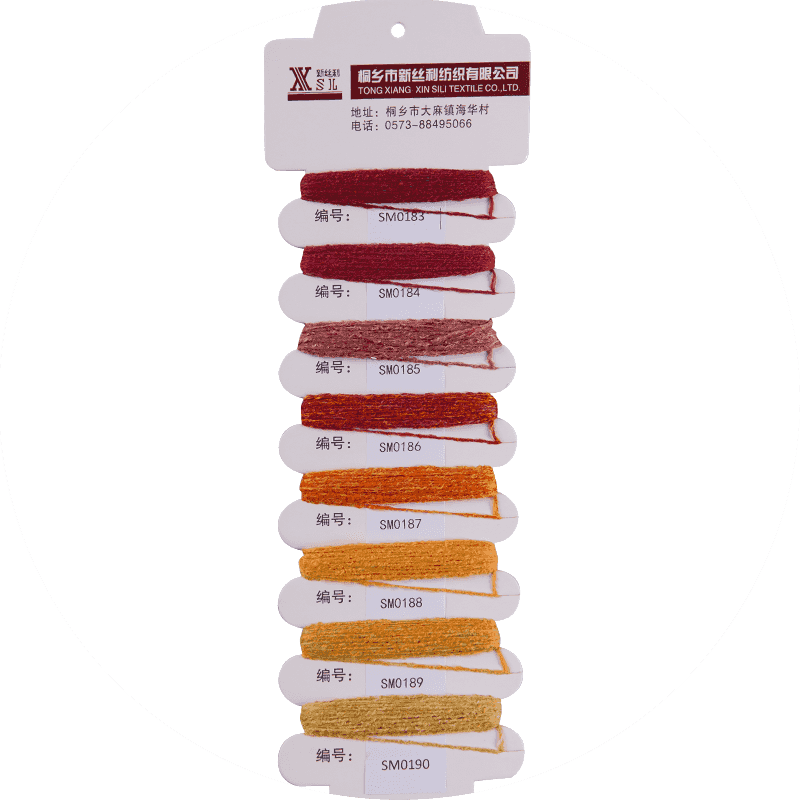
Manufacturers produce several distinct types of polyester yarn, each suited to different fabric applications and performance needs.
| Yarn Type | Texture | Common Uses |
| Filament Yarn | Smooth, lustrous | Linings, silk-like fabrics, ribbons |
| Spun (Staple) Yarn | Soft, matte | T-shirts, blended apparel fabrics |
| Textured Yarn | Bulky, stretchy | Activewear, upholstery |
| Microfiber Yarn | Ultra-fine, soft | Cleaning cloths, fine apparel |
| Recycled Polyester Yarn | Varies by processing | Sustainable apparel, packaging |
Textured polyester yarn, sometimes called bulked continuous filament, undergoes an additional processing step that introduces crimps or loops into the fiber, giving it added stretch and volume compared to standard filament yarn. This makes it particularly useful in activewear and upholstery applications where elasticity and cushioning matter.
Polyester's popularity across so many industries stems from a combination of physical and chemical properties that natural fibers often cannot match on their own.
Polyester fibers have high tensile strength and resist abrasion well, which is why the yarn holds up under repeated washing, stretching, and everyday wear better than many natural fiber alternatives.
Unlike cotton, polyester does not readily absorb water, which allows fabrics made from it to dry quickly and resist wrinkling. This property makes it a common choice for travel clothing, sportswear, and outdoor gear.
Polyester fibers accept and retain dye well, particularly through a process called disperse dyeing, resulting in fabrics that resist fading even after repeated washing and exposure to sunlight.
Because polyester is manufactured through an industrial chemical process rather than grown and harvested like natural fibers, production costs and price volatility tend to be lower, making it an economical choice for large-scale textile manufacturing.
Understanding how polyester stacks up against natural fibers like cotton and wool helps buyers and manufacturers choose the right material for a given application.
Many manufacturers address the tradeoffs between synthetic and natural fibers by blending polyester with cotton or wool, combining the durability and wrinkle resistance of polyester with the breathability and softness of natural fibers.
As environmental concerns around synthetic textiles have grown, recycled polyester yarn, often labeled rPET, has become an increasingly common alternative to virgin polyester. This material is typically produced by breaking down plastic bottles or textile waste, melting the recovered polymer, and re-extruding it into new yarn fibers.
Recycled polyester generally performs similarly to virgin polyester in terms of strength and durability, though color consistency can sometimes be more challenging to control depending on the source material. Buyers looking to reduce the environmental footprint of their textile products often look for certifications such as the Global Recycled Standard (GRS), which verifies the recycled content and tracks the material through the supply chain.
Selecting the appropriate polyester yarn depends heavily on the intended end use, since different yarn types are optimized for different performance characteristics.
Denier measures the linear mass density of a fiber and directly affects how thick, heavy, and durable the resulting fabric will be. Lower denier yarns produce lightweight, sheer fabrics suitable for linings or delicate apparel, while higher denier yarns are better suited to heavy-duty applications like upholstery or industrial textiles.
The degree of twist applied during spinning affects yarn strength, texture, and how the fabric drapes. Higher twist yarns tend to produce crisper, more structured fabrics, while lower twist yarns create softer, more fluid textiles.
For blended yarns, the ratio of polyester to natural fiber content significantly influences the final fabric's feel and performance. A higher polyester percentage generally improves durability and wrinkle resistance, while a higher natural fiber percentage improves breathability and softness.
Fabrics made from polyester yarn are generally low maintenance, but a few care practices help preserve their appearance and performance over time. Washing in cold or warm water rather than hot water helps prevent the fibers from becoming brittle, and using a low or no-heat drying setting reduces the risk of the fabric losing its shape or developing a shiny, melted appearance from excessive heat exposure.
Because polyester can attract oil-based stains due to its low absorbency, treating spills and stains promptly with an appropriate stain remover typically produces better results than waiting until the item is washed. With proper selection based on yarn type, denier, and blend ratio, along with straightforward care practices, polyester yarn continues to offer manufacturers and consumers a reliable, cost-effective material choice across a broad range of textile applications.

Copyright © Tongxiang Xinsili Textile Co., Ltd. All Rights Reserved. Wholesale High Filament DTY Yarn Manufacturers
