
 English
 Español
 عربى
عربى Türk
Türk
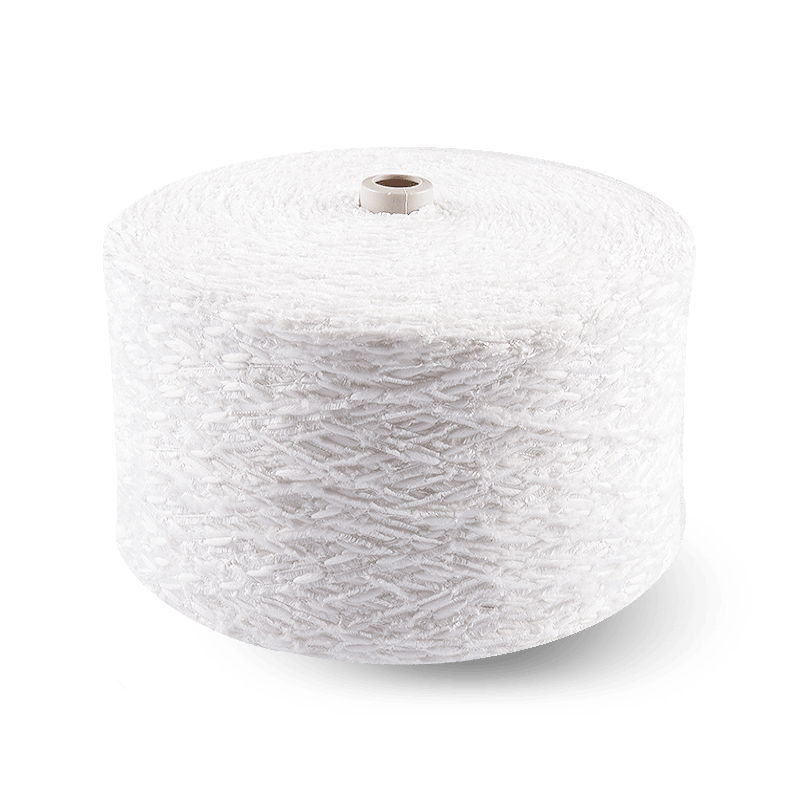
Loop yarn is a kind of fancy yarn, generally composed of core yarn, pressure yarn (sometimes also ca...

 2026.02.17
 Industry News
Content
The debate between acrylic and polyester yarn represents one of the most common questions among crafters, knitters, and crocheters seeking synthetic fiber options. Both materials belong to the synthetic fiber family, derived from petroleum-based products through chemical processes, yet they possess distinctly different characteristics that influence their performance in various applications. Understanding these differences empowers makers to select the most appropriate yarn for specific projects, ensuring optimal results in terms of durability, appearance, comfort, and functionality.
Acrylic yarn has dominated the craft market for decades as the go-to synthetic option, prized for its affordability, easy care, and wool-like qualities. Polyester yarn, while less commonly used as a standalone yarn fiber, offers unique properties that excel in specific applications, particularly when blended with other materials. The choice between these synthetic fibers depends on multiple factors including project type, desired texture, care requirements, budget constraints, and personal preferences. Neither fiber stands as universally superior; rather, each offers distinct advantages suited to different crafting scenarios.
Acrylic yarn consists of polyacrylonitrile fibers created through a polymerization process that transforms acrylonitrile monomers into long polymer chains. These chains are then spun into fibers and processed into yarn through various techniques that determine final texture and characteristics. The manufacturing process allows for significant variation in fiber quality, with premium acrylics undergoing additional treatments to enhance softness, reduce pilling, and improve overall performance. Modern acrylic production has evolved considerably, producing fibers that closely mimic natural wool properties while maintaining synthetic advantages.
Polyester yarn originates from polyethylene terephthalate (PET), the same material used in plastic bottles and synthetic fabrics. The manufacturing process involves melting polymer chips and extruding them through spinnerets to create continuous filaments or cutting them into staple fibers for spinning into yarn. Polyester's molecular structure provides inherent strength and resilience that surpasses most other synthetic fibers. The production process allows manufacturers to create fibers with specific characteristics, from ultra-fine microfibers to textured varieties with enhanced bulk and softness.
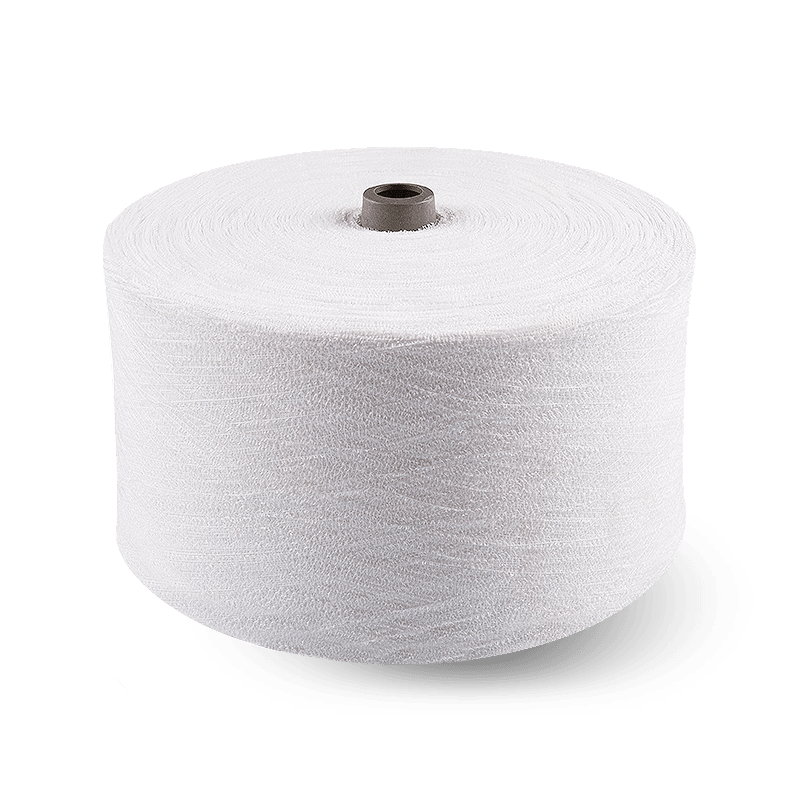
The fundamental chemical differences between these fibers create distinct performance characteristics. Acrylic's structure provides better heat retention and a softer hand feel that resembles wool, making it naturally suited for garments and blankets. Polyester's tightly packed molecular arrangement creates superior strength, wrinkle resistance, and shape retention. These inherent properties influence how each fiber behaves during crafting, wearing, and laundering, making understanding these differences essential for informed yarn selection.
Acrylic yarn generally offers superior softness compared to polyester, particularly in premium formulations designed to mimic natural fibers. The fiber structure allows for better loft and a fuller, more wool-like hand feel that many crafters prefer for garments and items that contact skin directly. Modern acrylic yarns can achieve remarkable softness through specialized manufacturing techniques, with some high-end varieties rivaling natural cashmere in tactile appeal. This softness makes acrylic the preferred choice for baby items, scarves, hats, and other accessories where comfort matters significantly.
Polyester yarn tends toward a smoother, silkier texture with less loft than acrylic. Pure polyester yarns often feel slicker and less fuzzy, creating a distinctly different tactile experience. While this smoothness appeals for certain applications like embroidery threads and sewing yarns, it may feel less inviting for hand-knitted or crocheted garments. However, microfiber polyester varieties and specially treated polyester yarns can achieve impressive softness, particularly when blended with other fibers. The smooth surface of polyester provides excellent stitch definition, making pattern details highly visible in finished projects.
| Characteristic | Acrylic Yarn | Polyester Yarn |
| Softness | Excellent, wool-like | Variable, often smoother |
| Loft | High, fluffy texture | Lower, sleeker appearance |
| Drape | Moderate, structured | Excellent, fluid movement |
| Warmth | Very warm, insulating | Less warm, lightweight |
| Breathability | Low to moderate | Low, can trap heat |
The drape characteristics of these fibers differ significantly, affecting how finished projects hang and move. Polyester naturally drapes better than acrylic, creating flowing, elegant fabric suited to garments requiring movement and fluid lines. Acrylic produces more structured fabric that holds shape well, making it ideal for items benefiting from body and structure like blankets, stuffed toys, and textured accessories. Understanding these drape differences helps crafters select appropriate yarn for achieving desired aesthetic and functional outcomes in their projects.
Polyester yarn demonstrates superior strength and durability compared to acrylic, making it exceptionally resistant to wear, stretching, and damage from repeated use and washing. The fiber's molecular structure provides inherent resilience that maintains integrity through extensive handling and laundering. Polyester resists abrasion better than acrylic, making it ideal for high-traffic items like rugs, upholstery, and heavily used household textiles. This exceptional durability explains polyester's prevalence in commercial textiles and industrial applications where longevity matters most.
Acrylic yarn offers good durability for most crafting applications, though it doesn't match polyester's exceptional strength. Quality acrylic yarn withstands regular washing and wearing well, maintaining appearance and structure through years of use. However, acrylic shows greater susceptibility to pilling—the formation of small fiber balls on the fabric surface—particularly in areas experiencing friction like underarms or inner thighs. Premium acrylic varieties incorporate anti-pill treatments that significantly reduce this issue, making quality selection important for items experiencing regular wear.
Both synthetic fibers resist common natural fiber problems including moth damage, mildew, and rot, providing practical advantages for storage and use in various environments. Neither fiber shrinks significantly when washed properly, maintaining size and shape consistency over time. Polyester's superior wrinkle resistance means items maintain smooth appearance with minimal ironing, while acrylic may develop creases that require steaming or blocking to remove. For projects requiring maximum longevity and minimal maintenance, polyester edges ahead, though quality acrylic provides excellent service for most applications.
Both acrylic and polyester yarns offer easy care advantages that make them popular choices for practical, everyday items. Machine washing and drying suit both fibers well, though specific care requirements optimize longevity and appearance. Acrylic yarn tolerates warm water washing and low to medium heat drying, though gentler care preserves softness and reduces pilling. Using mesh laundry bags for delicate acrylic items protects against excessive friction during washing. Avoiding high heat prevents fiber damage and maintains the yarn's desirable loft and texture.
Polyester yarn handles machine washing exceptionally well, resisting shrinkage, stretching, and color fading through numerous laundry cycles. The fiber withstands higher temperatures than acrylic without damage, though permanent press or cool settings prevent unnecessary heat exposure. Polyester dries quickly due to low moisture absorption, reducing energy consumption and expediting laundry processes. This quick-drying property also means polyester items feel less heavy when wet and return to use faster than moisture-retaining natural fibers.
Static electricity affects both synthetic fibers, particularly in dry environments and during winter months. Polyester generally generates more static than acrylic, causing garments to cling uncomfortably and attracting lint and pet hair. Using dryer sheets, fabric softener, or anti-static spray helps manage this issue. Acrylic produces less static but still benefits from these treatments in dry conditions. Both fibers resist wrinkling compared to natural materials, though polyester's superior wrinkle resistance means items emerge from storage or packing ready to use with minimal preparation.
Both acrylic and polyester yarns accept dye exceptionally well during manufacturing, producing vibrant, long-lasting colors that resist fading through washing and sun exposure. The synthetic nature of both fibers allows manufacturers to incorporate color deeply into the fiber structure rather than surface dyeing, creating superior colorfastness compared to many natural fibers. This characteristic makes both materials excellent choices for projects requiring specific colors that must maintain vibrancy over time, such as home decor items, outdoor accessories, and frequently washed garments.
Polyester demonstrates slightly superior color retention over extended periods, maintaining original vibrancy through more wash cycles and sun exposure than acrylic. The fiber's resistance to UV degradation helps colors stay true even in applications involving outdoor use or bright window displays. Acrylic colors remain remarkably stable for most indoor applications, though prolonged direct sunlight may cause gradual fading over years. For practical purposes, both fibers offer excellent color permanence that satisfies most crafters' needs without special precautions.
Home dyeing presents challenges for both synthetic fibers, as they require specialized disperse dyes and high-temperature processes unsuitable for typical home dyeing setups. Unlike natural fibers that accept acid or fiber-reactive dyes easily, synthetics demand more complex dyeing procedures that most crafters avoid. This limitation means selecting the correct color during initial purchase matters significantly, as changing colors post-purchase proves difficult. However, the vast commercial color ranges available in both acrylic and polyester yarns generally provide sufficient options for most projects without requiring custom dyeing.
Acrylic yarn typically costs less than polyester yarn when comparing similar quality levels, making it the more economical choice for budget-conscious crafters. The widespread availability and high production volumes of acrylic yarn drive prices down, with basic acrylic options available at remarkably low costs. Premium acrylic varieties with enhanced softness and anti-pill treatments command higher prices but still generally remain more affordable than comparable polyester options. This cost advantage makes acrylic the default choice for large projects like afghans, where yarn quantity requirements create significant expense.
Polyester yarn prices vary widely depending on specific formulation and intended use. Basic polyester yarns cost comparably to mid-range acrylic, while specialty polyester varieties like microfiber or textured options may exceed acrylic prices significantly. However, polyester's superior durability and longevity provide value that may offset higher initial costs for items requiring maximum lifespan. Calculating cost-per-wear or cost-per-use rather than simple purchase price reveals polyester's value proposition for high-use applications like children's items, pet accessories, or household goods experiencing heavy wear.
Blended yarns combining acrylic and polyester often provide optimal value, balancing cost with performance characteristics from both fibers. These blends leverage acrylic's softness and affordability with polyester's strength and durability, creating versatile yarns suited to diverse applications. Common blend ratios include 80/20 or 70/30 acrylic-to-polyester compositions, with the majority acrylic content maintaining soft hand feel while polyester addition enhances durability. For crafters seeking best overall value, quality acrylic-polyester blends frequently represent the sweet spot between performance and affordability.
Acrylic yarn excels in applications prioritizing softness, warmth, and wool-like characteristics at affordable prices. Blankets, afghans, and throws benefit from acrylic's insulating properties and comfortable texture. Winter accessories including scarves, hats, mittens, and sweaters leverage acrylic's warmth and softness while remaining budget-friendly and machine-washable. Baby items represent another ideal application, as quality acrylic provides gentle softness against delicate skin while withstanding frequent washing. Amigurumi and stuffed toys utilize acrylic's structure and body to create plush, cuddly creations that hold shape well.
Polyester yarn suits applications demanding maximum durability, strength, and wrinkle resistance. Rugs and floor coverings benefit from polyester's exceptional abrasion resistance and easy cleaning. Outdoor items including patio cushions, outdoor pillows, and garden decorations leverage polyester's weather resistance and UV stability. Upholstery and furniture applications utilize polyester's strength and shape retention. Bags, totes, and market bags gain longevity from polyester's robust structure. Pet items including beds, toys, and blankets benefit from polyester's durability against enthusiastic use and frequent washing.
Certain projects benefit specifically from blending both fibers or choosing based on detailed project requirements. Garments worn frequently require durability suggesting polyester or poly-blend, while occasional-wear items may prioritize acrylic's superior softness. Items for sensitive skin often perform better in quality acrylic due to softer hand feel. Projects requiring specific drape characteristics should consider polyester's superior flow versus acrylic's structure. Understanding these nuanced differences enables optimal yarn selection tailored to specific project needs rather than defaulting to personal preference alone.
Both acrylic and polyester yarns present environmental challenges as petroleum-derived synthetic materials. Neither fiber biodegrades naturally, persisting in landfills indefinitely when discarded. The manufacturing processes for both materials consume significant energy and resources while generating greenhouse gas emissions. Microplastic shedding during washing represents a growing environmental concern, as tiny synthetic fibers enter waterways and accumulate in ecosystems. These environmental impacts encourage some crafters to limit synthetic yarn use or seek more sustainable alternatives when possible.
Polyester offers slight environmental advantages through recyclability and increasing availability of recycled options. Recycled polyester yarn derived from post-consumer plastic bottles reduces petroleum consumption and diverts waste from landfills. Several manufacturers now produce quality recycled polyester yarns offering performance comparable to virgin fiber while reducing environmental footprint. Acrylic recycling remains less developed, though some programs accept acrylic textiles for recycling. Choosing recycled polyester options when available represents a more environmentally responsible synthetic fiber choice.
The durability and longevity of both fibers provide environmental benefits through reduced replacement frequency compared to lower-quality alternatives. Creating lasting, well-made items from durable yarn reduces overall consumption and waste generation. Proper care extending yarn lifespan maximizes environmental benefit from initial resource investment. Crafters concerned about environmental impact should consider project longevity when selecting yarn, choosing the most durable appropriate option to minimize long-term environmental costs. Supporting manufacturers committed to sustainable practices and recycled content further reduces individual environmental impact.
Selecting between acrylic and polyester yarn ultimately depends on specific project requirements, personal priorities, and intended use. For soft, warm garments and accessories prioritizing comfort and wool-like qualities, quality acrylic yarn represents the superior choice. When maximum durability, strength, and longevity matter most—such as for rugs, bags, or heavily used items—polyester yarn delivers better long-term performance. Budget-conscious crafters working on large projects find acrylic's lower cost per yard advantageous, while those investing in heirloom-quality items may prefer polyester's superior longevity.
Consider blended yarns as compromise solutions offering balanced properties from both fibers. Acrylic-polyester blends provide softness approaching pure acrylic with enhanced durability from polyester content. These versatile options suit general crafting needs when specific fiber advantages aren't critical. Testing small swatches before committing to large projects allows direct comparison of how each fiber behaves with specific stitch patterns and intended applications. Personal preference regarding hand feel, working characteristics, and finished fabric drape should inform decisions alongside practical performance considerations.
Neither acrylic nor polyester yarn stands as universally superior; rather, each offers distinct advantages suited to different applications and priorities. Understanding the specific characteristics, strengths, and limitations of both synthetic fibers empowers crafters to make informed selections that optimize results for individual projects. By matching yarn properties to project requirements thoughtfully, makers ensure satisfaction with both the crafting process and finished items, creating beautiful, functional pieces that serve their intended purposes effectively while meeting personal standards for quality, comfort, and performance.


Copyright © Tongxiang Xinsili Textile Co., Ltd. All Rights Reserved. Wholesale High Filament DTY Yarn Manufacturers
