
 English
 Español
 عربى
عربى Türk
Türk
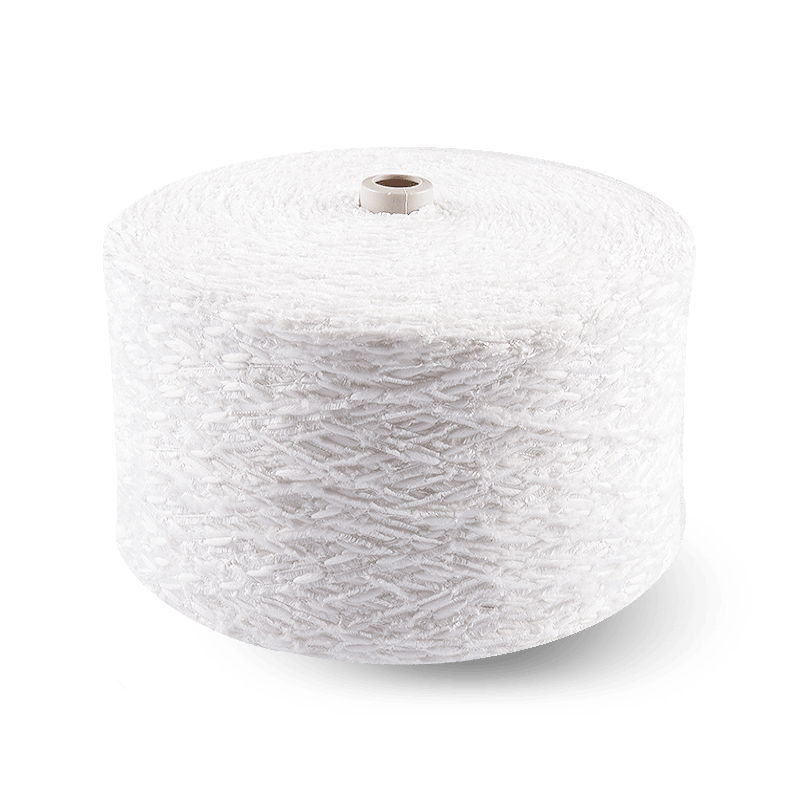
Loop yarn is a kind of fancy yarn, generally composed of core yarn, pressure yarn (sometimes also ca...

 2026.05.21
 Industry News
Content
In the competitive world of technical textiles and industrial fabrics, material selection can make or break a product's performance. Among the many yarn options available today, 1250D dope dyed polyester yarn has emerged as a preferred choice for manufacturers across a wide range of sectors. The "1250D" refers to the yarn's denier count — a unit of measurement that indicates the fiber's linear mass density. A denier of 1250 signifies a relatively heavy, thick yarn with exceptional tensile strength, making it well-suited for demanding applications that require durability and structural integrity.
The "dope dyed" aspect refers to the coloration method used during production. Unlike conventional dyeing processes that apply color after the yarn is extruded, dope dyeing — also known as solution dyeing — introduces pigments directly into the polymer melt before the fiber is formed. This fundamental difference in process gives dope dyed polyester yarn a set of performance advantages that standard yarn simply cannot match, particularly in environments involving prolonged UV exposure, moisture, and chemical contact.
To fully appreciate the value of 1250D dope dyed polyester yarn, it is important to understand the mechanics behind the dope dyeing process. In traditional yarn manufacturing, polyester chips are melted, extruded into filaments, and then subjected to a separate dyeing bath to achieve the desired color. This post-extrusion dyeing process involves water, heat, and chemical dye agents, all of which introduce variables that can affect color uniformity, fiber integrity, and environmental sustainability.
Dope dyeing eliminates the separate dyeing bath entirely. Pigment particles are uniformly dispersed throughout the polymer solution before extrusion. When the yarn is formed, the color is embedded within the core of every individual filament. The result is a yarn where color is not a surface coating but an intrinsic molecular component. This leads to significantly improved colorfastness across all major performance criteria, including resistance to light, washing, perspiration, and friction.
The combination of a high denier count and the dope dyeing process gives this yarn a unique profile of physical and chemical properties. These characteristics make it highly versatile across multiple end-use industries.
One of the most valued properties of dope dyed polyester yarn is its outstanding resistance to ultraviolet radiation. Because the pigment is locked within the fiber structure, UV rays cannot degrade the color molecules on the surface over time. Products made from this yarn retain their original color even after years of outdoor exposure, making it ideal for awnings, outdoor furniture, marine applications, and automotive textiles.
At 1250 denier, this yarn offers high breaking strength and resistance to abrasion. These mechanical properties are critical in applications involving constant movement, friction, or load-bearing stress. Industrial webbing, safety harnesses, cargo straps, and conveyor belts all benefit from the robust physical characteristics that a 1250D denier yarn provides.
Dope dyed polyester yarn consistently achieves high ratings on ISO and AATCC colorfastness standards. Specifically, it performs well in the following areas:
Compared to conventional dyeing, the dope dyeing process consumes significantly less water and energy, and generates far fewer chemical effluents. Textile dyeing is one of the most polluting industrial processes globally, and dope dyeing represents a meaningful reduction in environmental impact. For manufacturers pursuing sustainability certifications or complying with strict environmental regulations, 1250D dope dyed polyester yarn is an aligned material choice.
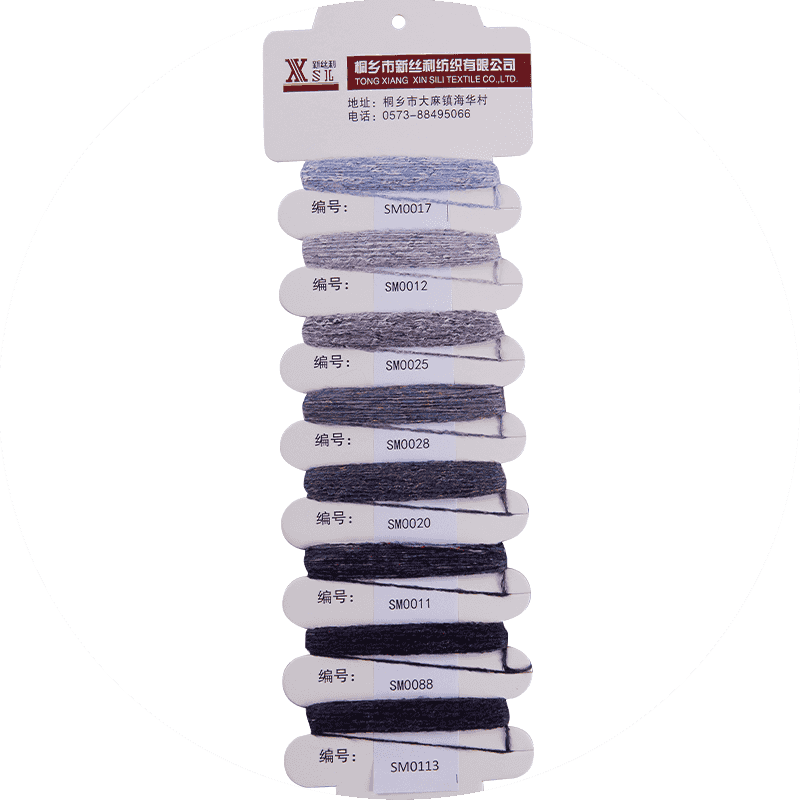
The structural and aesthetic properties of 1250D dope dyed polyester yarn make it relevant across a broad spectrum of industries. Below is an overview of the most common application categories:
| Industry | Typical Products | Key Requirement |
| Outdoor & Leisure | Tents, awnings, shade sails | UV resistance, weatherproofing |
| Automotive | Seat belts, interior upholstery | High strength, colorfastness |
| Marine | Ropes, boat covers, sails | Salt water and UV resistance |
| Safety & Industrial | Harnesses, cargo straps, webbing | Tensile strength, durability |
| Fashion & Bags | Luggage, backpacks, straps | Aesthetic consistency, wear resistance |
For procurement managers and textile engineers evaluating their options, the comparison between dope dyed and conventionally dyed yarn often comes down to long-term value versus short-term cost. While conventionally dyed polyester may carry a lower initial price point, the lifecycle costs can be significantly higher due to color fading, repeat treatments, and product rejection rates.
1250D dope dyed polyester yarn is available in a range of configurations to meet diverse manufacturing needs. Standard specifications typically include high-tenacity multifilament constructions, with options for flat yarn, twisted yarn, or air-entangled yarn depending on the downstream weaving or knitting process. Filament count, twist per meter (TPM), and finish type (raw white, semi-dull, or full-dull) can be customized according to application requirements.
Color options have expanded considerably in recent years. Advances in pigment dispersion technology now allow manufacturers to produce 1250D dope dyed polyester yarn in a wide palette including classic blacks and navies, earthy tones, bright saturated hues, and specialty colors such as fluorescent and camouflage variants. Custom Pantone or RAL color matching is also available from many suppliers, subject to minimum order quantities.
Reputable manufacturers of 1250D dope dyed polyester yarn subject their products to rigorous quality testing before shipment. Key tests include tensile strength measurement per ASTM D2256, elongation at break, denier verification, and a full suite of colorfastness evaluations per ISO 105 standards. For safety-critical applications such as automotive seat belts or climbing harnesses, additional certifications such as EN, OEKO-TEX, or REACH compliance documentation may be required.
Buyers should request a Certificate of Analysis (CoA) with each order, confirming that the yarn meets stated physical and chemical specifications. Consistent audit trails not only support quality assurance internally but also facilitate compliance reporting to downstream customers and regulatory bodies.
When sourcing 1250D dope dyed polyester yarn, buyers should evaluate suppliers on several dimensions beyond price. Production capacity, lead time, color matching accuracy, and minimum order quantity (MOQ) flexibility are all important factors. It is also advisable to assess a supplier's environmental certifications, particularly if the end product is destined for markets with strict import regulations on chemical content or sustainability disclosures.
Sample evaluation is strongly recommended before committing to bulk orders. Request physical samples across multiple color variants and subject them to in-house testing that mirrors the actual end-use conditions. This due diligence ensures that the yarn performs as specified and aligns with your product's quality standards and customer expectations. Building a long-term partnership with a reliable supplier also helps stabilize pricing and secure consistent supply chains, both of which are increasingly valuable in today's volatile raw material markets.

Copyright © Tongxiang Xinsili Textile Co., Ltd. All Rights Reserved. Wholesale High Filament DTY Yarn Manufacturers
