
 English
 Español
 عربى
عربى Türk
Türk
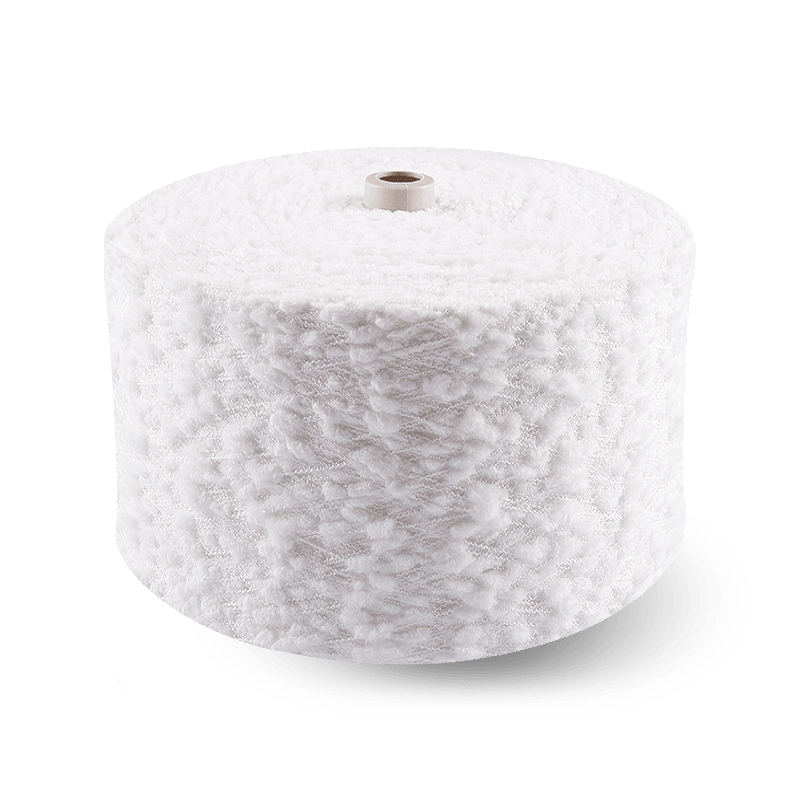
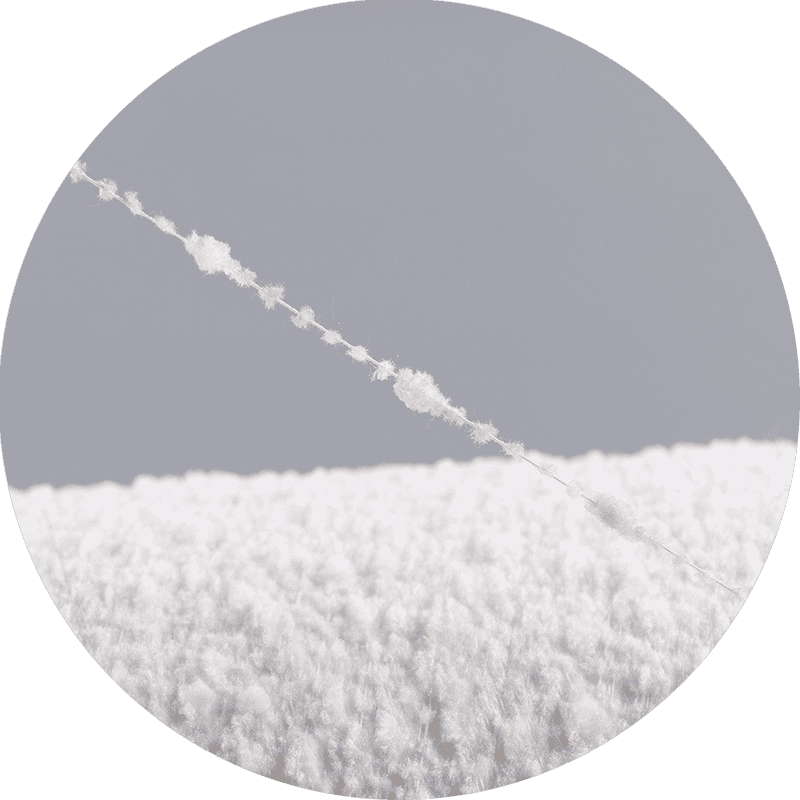
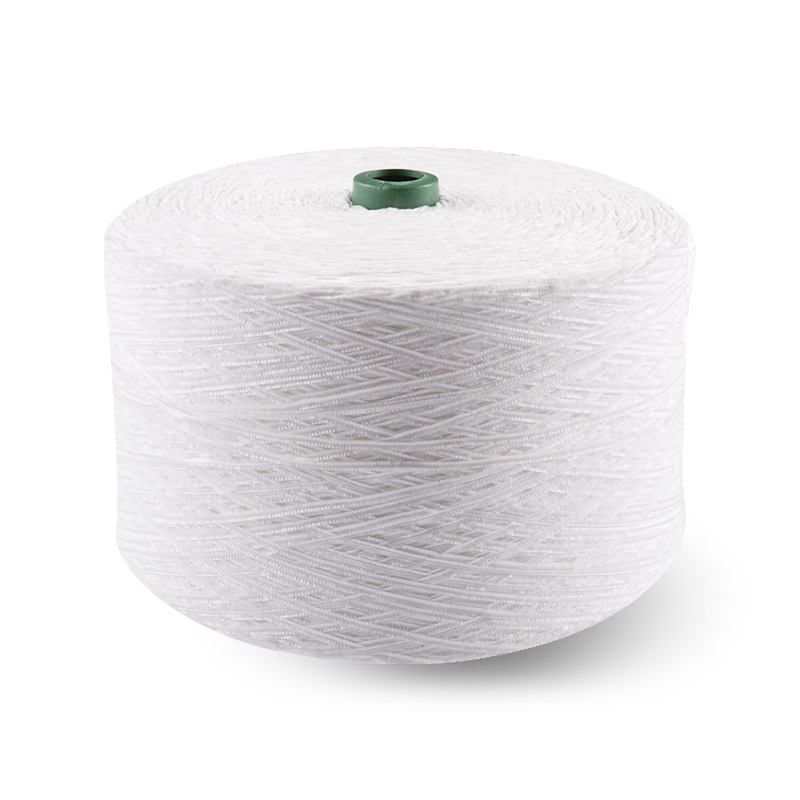
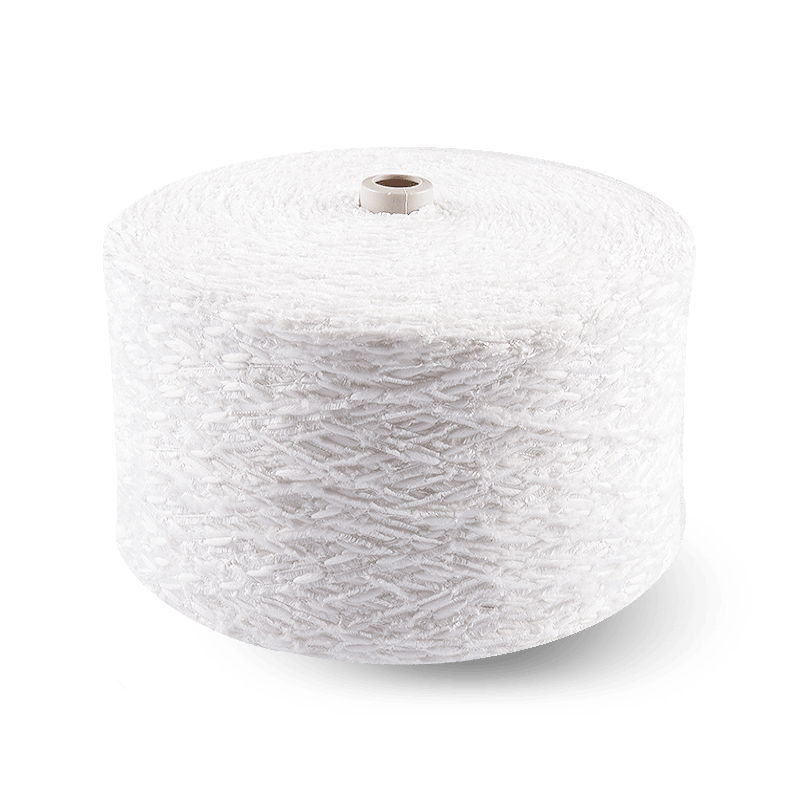
Loop yarn is a kind of fancy yarn, generally composed of core yarn, pressure yarn (sometimes also ca...

 2026.05.25
 Industry News
Content
Choosing the right crochet yarn can make or break your project. Whether you're a complete beginner working on your first dishcloth or an experienced crocheter tackling an intricate lace shawl, the yarn you select affects everything — from how easily it works up on the hook to how the finished piece looks, feels, and holds up over time. With hundreds of yarn types available, understanding the key differences will help you shop smarter and crochet better.
Yarn weight refers to the thickness of the yarn strand, and it's one of the most important factors in crochet. The Craft Yarn Council standardizes yarn weights into eight categories, each suited to different project types and hook sizes. Using the wrong weight can result in a fabric that's too stiff, too floppy, or entirely the wrong size.
Here's a quick reference guide to the most commonly used yarn weights in crochet:
| Weight Category | Common Names | Best For | Hook Size (mm) |
| 0 – Lace | Lace, Thread | Doilies, fine shawls | 1.5 – 2.25 |
| 3 – DK / Light Worsted | DK, Light | Baby items, light garments | 3.25 – 3.75 |
| 4 – Worsted | Worsted, Aran | Blankets, hats, scarves | 5.0 – 5.5 |
| 6 – Super Bulky | Super Bulky, Roving | Quick blankets, chunky hats | 9.0 – 15.0 |
For most beginners, worsted weight (size 4) yarn is the most forgiving and widely recommended starting point. It's thick enough to see your stitches clearly, works up quickly, and is available in an enormous range of colors and fiber types.
The fiber content of your crochet yarn determines its texture, durability, care requirements, and how it feels against the skin. Fibers fall into two broad categories: natural and synthetic. Both have distinct advantages depending on your project goals.
Natural fibers come from plants or animals and are often prized for their breathability and feel. The most common options include:
Synthetic yarns are engineered for specific performance characteristics and are typically more affordable and easy-care than natural fibers.
Beyond fiber content, the physical construction of the yarn — its ply, twist, and texture — plays a major role in how it behaves on the hook. Plied yarns are made by twisting multiple strands together, and the number of plies affects the yarn's smoothness and strength.
Tightly twisted, smooth yarns are easiest for beginners because stitches slide freely off the hook and mistakes are easy to frog (undo). Loosely spun or single-ply yarns are more delicate and prone to splitting, making them better suited for experienced crafters. Here are key texture types to know:
Not every yarn suits every project. Matching fiber, weight, and texture to your intended use is essential for a satisfying result. Here are practical guidelines for common crochet project categories:
For sweaters, cardigans, and tops, look for yarns with good drape and breathability. Merino wool, cotton blends, and bamboo fibers are popular choices. Avoid very stiff or bulky yarns that will add unnecessary weight and bulk to the body. Always check whether the yarn is skin-friendly — especially for items worn next to bare skin.
Durability and washability are top priorities for blankets and throw pillows. Acrylic yarns excel here — they hold color well, survive repeated washing, and don't pill excessively. Bulky and super bulky weights work up fast for large blankets and are ideal for beginner projects that deliver quick, satisfying results.
Amigurumi requires a yarn that holds its shape tightly so the stuffing doesn't show through. Smooth, tightly plied cotton or acrylic in sport or worsted weight is ideal. Avoid anything fuzzy or loosely spun. Safety eyes and embroidered features also show up more crisply on smooth yarn surfaces.
100% cotton is the go-to for dishcloths, pot holders, and market bags. It absorbs water, resists heat better than acrylic, and can be boiled or bleached for sanitizing purposes. Look for mercerized cotton for extra sheen and strength.
Every yarn skein or ball comes with a label packed with essential data. Learning to read it will save you from purchasing the wrong amount or using the wrong hook size. Key details to check include:
Yarn prices vary enormously — from budget acrylic skeins under $5 to luxury hand-dyed merino that costs $40 or more per skein. Building a practical stash doesn't require spending a fortune. Start with a few versatile worsted-weight acrylics in neutral and versatile colors to practice techniques without worrying about wasting expensive material.
As you advance, invest in higher-quality fibers for finished projects you'll wear or gift. Many experienced crocheters keep a stash of different weights and fibers on hand for spontaneous projects, swatches, or yarn-alongs with online communities. Organizing your stash by weight and fiber type helps you quickly identify what you have and what you still need.
Shopping at local yarn stores (LYS) gives you the advantage of touching and comparing yarns in person, while online retailers often offer wider selections and better prices. Many crafters combine both — browsing locally for inspiration and ordering bulk quantities online for larger projects.
Even seasoned crocheters fall into some of these common pitfalls. Being aware of them ahead of time will help you avoid frustrating — and costly — mistakes:
Taking a few extra minutes to swatch, read labels, and research your chosen yarn before committing to a full project will always pay off in the final result. The more you crochet, the more intuitive yarn selection becomes — and the more satisfying each finished project will feel.
Copyright © Tongxiang Xinsili Textile Co., Ltd. All Rights Reserved. Wholesale High Filament DTY Yarn Manufacturers
