
 English
 Español
 عربى
عربى Türk
Türk
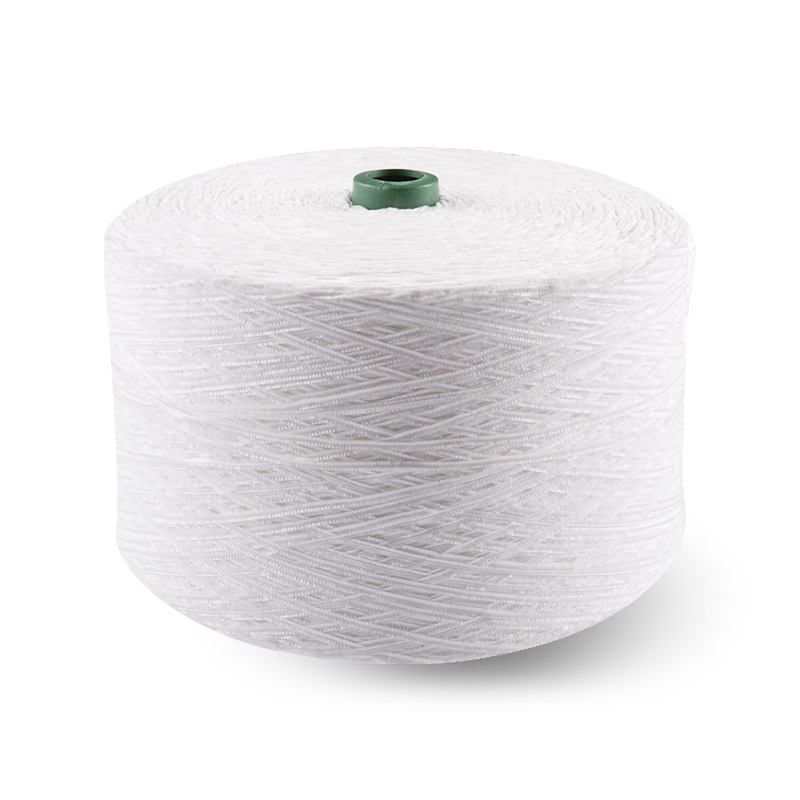
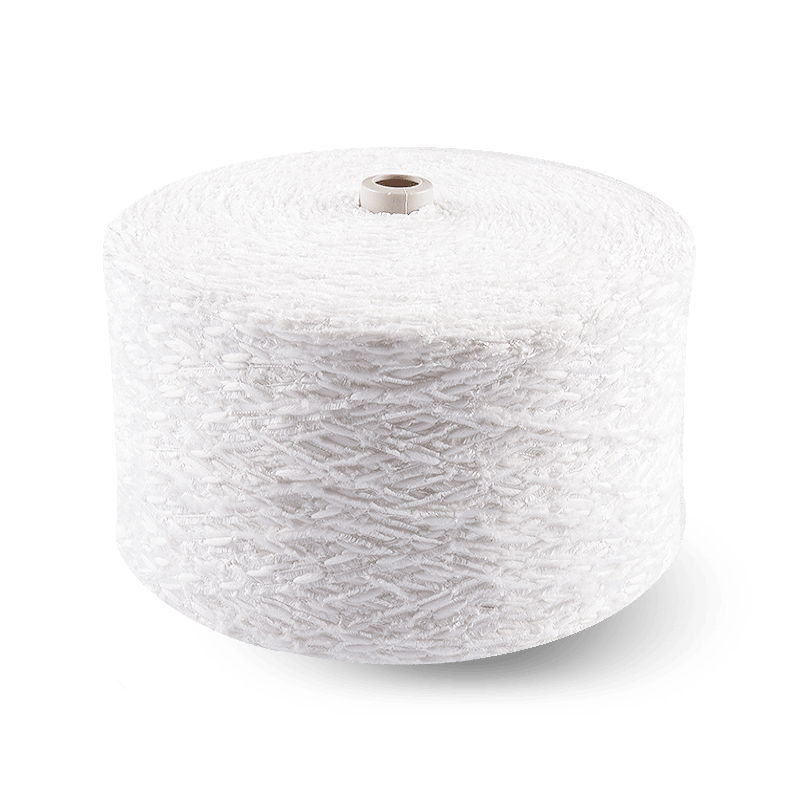
Loop yarn is a kind of fancy yarn, generally composed of core yarn, pressure yarn (sometimes also ca...

 2026.02.24
 Industry News
Content
The half double crochet (hdc) stitch sits in a sweet spot that many crocheters overlook in favor of the more commonly taught single crochet or double crochet. It produces a fabric that is taller than a single crochet row, creating faster progress on larger projects, yet denser and more structured than a double crochet, giving the finished piece a solid, substantial feel with minimal gaps. This combination of height and density makes the half double crochet an ideal stitch for a wide range of projects—from warm winter hats and cozy scarves to structured bags, blankets, and even garments where you want drape without looseness.
What makes the hdc stitch particularly interesting from a technical standpoint is its defining characteristic: the extra loop. When you work a half double crochet, you yarn over before inserting your hook, which creates three loops on the hook at the pull-through stage. The result is a subtle horizontal ridge running through the top of each stitch that gives hdc fabric a slightly textured, woven appearance. This unique structure means that yarn choice has a more visible impact on the finished texture of half double crochet fabric than on many other stitch types—which is precisely why selecting the right crochet yarn for your hdc projects matters so much.
Before choosing yarn, it is worth making sure your hdc technique is solid, because inconsistencies in execution are often mistaken for yarn problems. A correctly worked half double crochet follows a precise sequence that becomes automatic with practice but must be performed in the right order every time for consistent stitch height and tension.
Start with a foundation chain or a row of existing stitches. Yarn over by wrapping the working yarn over your hook from back to front once. Insert the hook into the designated stitch or chain space—typically the third chain from the hook when starting a new row, which counts as your first hdc. Yarn over again and pull the yarn through the stitch only, leaving three loops on your hook. Yarn over one final time and pull through all three loops simultaneously. This completes one half double crochet stitch. The turning chain for hdc is two chains, though many crocheters prefer not to count the turning chain as a stitch to keep their edges clean and straight—a technique worth adopting from the beginning to avoid edge distortion over multiple rows.
The most frequent error in hdc work is splitting the yarn rather than inserting the hook cleanly under both loops of the top chain. This happens most often with loosely twisted or fluffy crochet yarns where individual plies are not clearly defined. The result is a stitch that looks uneven or ragged at its base. Another common issue is inconsistent tension during the final pull-through, where pulling through all three loops unevenly creates stitches of varying heights within the same row. Practicing with a smooth, medium-weight yarn until your tension is consistent before moving to textured or specialty yarns will establish the muscle memory needed to maintain even fabric regardless of the yarn you eventually choose.
Yarn weight is the single most important variable in determining how your half double crochet fabric will look and behave. The standardized yarn weight system used by the Craft Yarn Council assigns numbers from 0 (lace) to 7 (jumbo), with each weight range corresponding to recommended hook sizes and typical stitch gauges. For half double crochet specifically, yarn weight determines stitch definition, fabric drape, warmth, and project scale in ways that are worth understanding in detail before you cast on.
| Yarn Weight | Hook Size (mm) | HDC Gauge (4 inches) | Best HDC Projects |
| Fingering / Sock (1) | 2.25–3.5mm | 20–22 stitches | Shawls, baby items, fine amigurumi |
| Sport / DK (2–3) | 3.5–4.5mm | 16–20 stitches | Lightweight garments, hats, mittens |
| Worsted (4) | 5.0–5.5mm | 13–15 stitches | Blankets, scarves, bags, sweaters |
| Bulky (5–6) | 6.0–9.0mm | 9–12 stitches | Winter hats, cowls, chunky throws |
| Super Bulky / Jumbo (7) | 10.0mm+ | 5–8 stitches | Arm-knit style throws, rugs, basket liners |
Worsted weight crochet yarn is consistently the most recommended starting weight for half double crochet practice and projects because it produces stitches large enough to see and count clearly while still creating a refined finished fabric. The stitch definition at worsted weight is particularly flattering for the hdc stitch, as the characteristic third loop and horizontal ridge are clearly visible without the fabric appearing too open or too dense.
Beyond weight, the fiber content of your crochet yarn determines how the hdc stitch looks after completion, how the fabric behaves during blocking, and how the finished piece holds up through wear and washing. Each fiber type brings distinct characteristics that make it better suited to certain hdc applications than others.
Acrylic is the most widely used fiber in crochet yarn for good reason. It is machine washable, colorfast, affordable, and available in an enormous range of colors and textures. For half double crochet projects destined for regular use—baby blankets, kitchen cloths, everyday hats, and beginner practice swatches—a smooth, tightly spun acrylic in worsted or bulky weight produces clean, consistent stitches with excellent stitch definition. The uniform diameter of quality acrylic yarn means your hook slides through loops predictably, making it easier to maintain even tension throughout long rows of hdc. Look for acrylic yarns that are labeled as anti-pill, as the pilling that can develop on lower-quality acrylics is particularly noticeable on the densely worked surface of half double crochet fabric.
Merino wool is the premium natural fiber choice for crochet yarn when softness against the skin is a priority—particularly for garments, hats worn against the forehead, and baby accessories. Its natural elasticity gives hdc fabric a slight spring and recovery that acrylic cannot replicate, which helps the finished piece hold its shape over time. Merino responds beautifully to wet blocking, which can transform a slightly uneven hdc swatch into a perfectly flat, even fabric by relaxing the fiber and allowing stitches to settle into position. Superwash merino, which has been treated to remove the fiber's natural scaling, is the preferred choice for projects that will be machine washed, as untreated wool can felt if agitated in warm water.
Cotton crochet yarn has no elasticity, which makes it behave very differently from wool or acrylic when worked in half double crochet. The resulting fabric is crisp, structured, and heavy—ideal for market bags, dishcloths, summer tops, and home décor items where you want the fabric to hold its shape without stretching. However, the lack of give in cotton yarn means tension management requires more deliberate effort. Cotton does not forgive uneven tension the way elastic fibers do, so inconsistencies in your hdc stitch become more visible in cotton fabric than in wool. Mercerized cotton, which has been chemically treated to increase luster and reduce shrinkage, produces particularly sharp stitch definition and takes dye colors beautifully, making it a popular choice for colorwork hdc projects.
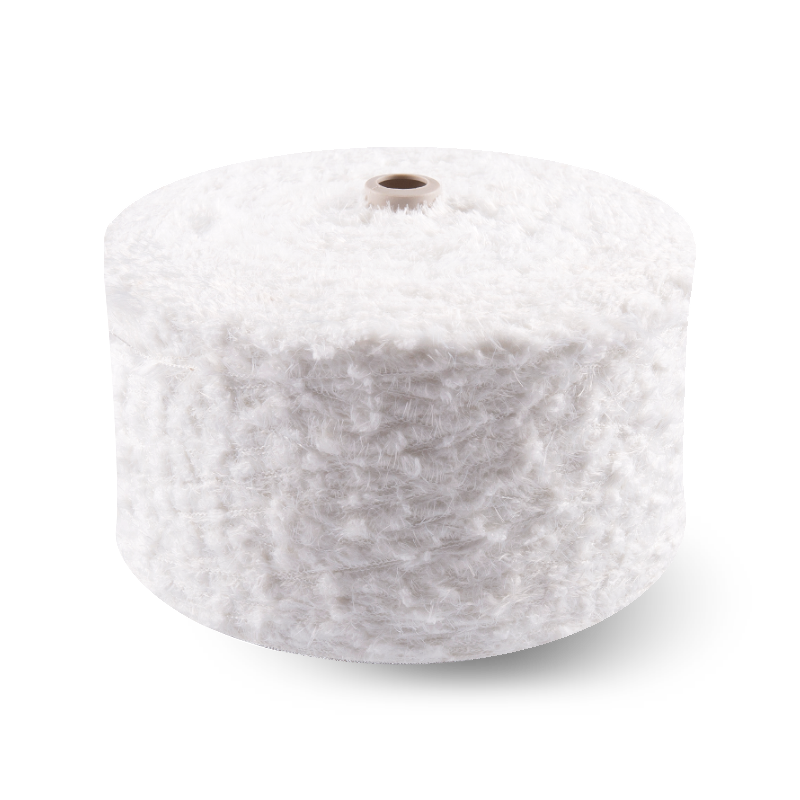
Bamboo-derived viscose yarn or bamboo-cotton blends offer a silky drape and natural sheen that works exceptionally well for half double crochet garments and accessories where you want the fabric to flow rather than hold a rigid structure. Bamboo yarn is naturally breathable and moisture-wicking, making it an excellent choice for spring and summer crochet projects. Its smooth surface allows the hook to move through stitches easily, and the slight sheen of bamboo fiber highlights the textured surface of hdc fabric attractively. The trade-off is that bamboo yarn has minimal elasticity and can be slippery to work with until you adjust your tension habits—holding the yarn slightly more firmly than you would with wool helps maintain consistent stitch height.
Different half double crochet projects have different performance requirements, and aligning your yarn choice with those requirements from the start prevents the frustration of finishing a project only to discover the yarn was wrong for the purpose. The following project categories each have specific yarn characteristics that will deliver the best results.
Gauge—the number of stitches and rows per inch or centimeter—is the technical foundation of any sized crochet project. In half double crochet, achieving the correct gauge specified in your pattern is essential for garments and accessories to fit as intended. Even for projects without strict sizing requirements, like blankets and scarves, consistent gauge ensures your yarn quantity calculations and finished dimensions are accurate.
Always work a gauge swatch of at least 15 to 20 stitches wide and 10 to 15 rows tall before starting a project. Work the swatch in the same stitch (half double crochet), with the same hook size, and in the same yarn you plan to use for the project. Measure the swatch after blocking if your project will be blocked. Count your stitches and rows within a 4-inch (10 cm) square in the center of the swatch, avoiding the edges where tension often differs from the body of the fabric. If your stitch count is higher than the pattern specifies, your stitches are too small—try a larger hook. If your count is lower, your stitches are too large—try a smaller hook. Hook size recommendations on yarn labels are starting points, not absolutes, as individual crocheters vary significantly in their natural tension.
Once you are comfortable with the standard half double crochet stitch, several variations allow you to create dramatically different textures and visual effects using the same basic hook movement. These variations change how the yarn interacts with the fabric structure and make certain crochet yarn types more or less suitable depending on the effect you are chasing.
Experimenting with these variations using the same crochet yarn in different hook placements is one of the most rewarding ways to deepen your understanding of how the half double crochet stitch works structurally. Each variation reveals a different facet of the stitch's versatility and helps you develop the intuition to choose the right yarn and technique combination for any project you encounter.

Copyright © Tongxiang Xinsili Textile Co., Ltd. All Rights Reserved. Wholesale High Filament DTY Yarn Manufacturers
