
 English
 Español
 عربى
عربى Türk
Türk
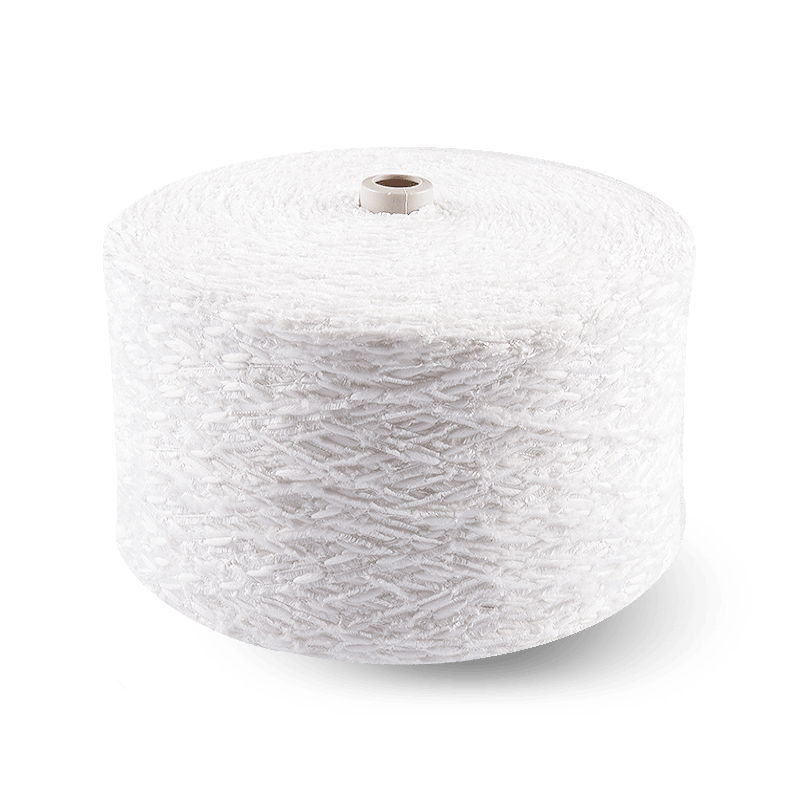
Loop yarn is a kind of fancy yarn, generally composed of core yarn, pressure yarn (sometimes also ca...

 2026.03.03
 Industry News
Content
Among the many specialty yarns that have gained devoted followings in the crochet community, double-faced velvet crochet yarn stands out for its distinctly luxurious texture, striking visual depth, and surprisingly versatile range of applications. Whether you are crafting a plush amigurumi toy, a cozy blanket, a decorative pillow cover, or a fashion accessory, this yarn delivers a finished result that looks and feels far more premium than its accessible price point would suggest. But working with double-faced velvet yarn is not identical to working with standard acrylic or cotton — it has unique handling characteristics, stitch visibility considerations, and care requirements that every crocheter should understand before starting a project. This guide covers everything you need to know to work with double-faced velvet crochet yarn confidently and achieve professional-quality results.
Double-faced velvet crochet yarn is a specialty chenille-style yarn constructed with a central core thread around which extremely fine, short-cut fiber tufts are anchored in a dense, uniform pile. What distinguishes the "double-faced" construction from standard velvet yarn is the presence of pile on both sides of the yarn structure — meaning the soft, plush surface is visible and tactile from every angle, rather than being concentrated on one face as in some woven velvet ribbon-style yarns. This 360-degree pile coverage is what gives finished crochet items made from this yarn their characteristic full, sculpted look, where each stitch appears as a distinct raised mound of softness rather than a flat loop of fiber.
The fiber content is most commonly 100% polyester microfiber, though blends incorporating nylon for added strength or recycled polyester for sustainability credentials are increasingly available. The polyester microfiber pile is responsible for the yarn's signature softness — the individual fiber diameters are fine enough that the pile bends under the lightest touch rather than feeling scratchy or stiff. The core thread, typically a twisted polyester or cotton strand, provides the structural backbone that keeps the pile anchored and gives the yarn enough tensile strength to withstand the tension applied during crocheting without snapping or stretching unevenly.
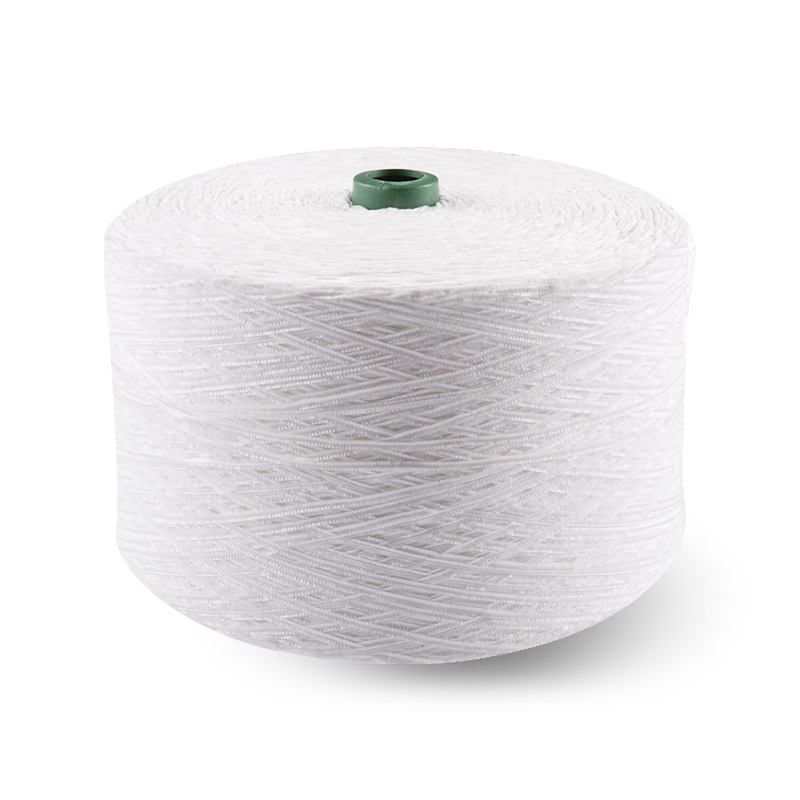
Understanding how double-faced velvet yarn compares to its closest relatives — standard velvet yarn and traditional chenille yarn — clarifies why it has become a preferred choice for specific project types and why the distinction matters in practice.
Standard velvet crochet yarn, sometimes sold as "single-faced" velvet yarn, has a denser pile on one primary surface and a flatter profile on the reverse. When crocheted, this can create slight variation in stitch appearance depending on how the yarn feeds and rotates during work. Double-faced velvet eliminates this inconsistency — because pile coverage is uniform around the entire yarn circumference, stitches look consistent regardless of yarn rotation, producing a more even, professional-looking fabric surface with less need to adjust yarn orientation while working.
Traditional chenille yarn shares the core-plus-pile construction but typically uses longer, less densely packed tufts that give it a slightly shaggier, more textured appearance. Double-faced velvet yarn uses shorter, more uniformly cut pile at higher density, resulting in a smoother, more velvet-like surface with a cleaner stitch definition. Chenille yarn also tends to have a higher incidence of "worming" — a phenomenon where the pile fibers migrate and twist during crocheting — whereas the tighter pile construction of quality double-faced velvet yarn minimizes this problem significantly.
Double-faced velvet crochet yarn's physical properties make it exceptionally well suited to a specific range of projects where its softness, body, and visual richness add the most value. Matching the yarn to the right project type is the most direct path to a satisfying result.
Double-faced velvet crochet yarn is most commonly available in DK weight (Light 3) and worsted weight (Medium 4) categories, though bulky versions are produced by some manufacturers. The recommended hook size varies by yarn weight and desired fabric density, but a general rule with velvet yarn is to use a slightly larger hook than the ball band recommendation suggests if you want a softer, more drapeable fabric, or a hook at the lower end of the recommended range if you need a firm, dense fabric — as required for amigurumi, for example, where stitch definition and structural density prevent stuffing from showing through.
Working a gauge swatch before starting any sized garment or fitted item is especially important with velvet yarn because the pile obscures the stitch structure visually, making it easy to misjudge stitch and row counts without measuring. Use a ruler or stitch gauge tool on a blocked swatch of at least 15 stitches by 15 rows to get an accurate count, and remember that velvet yarn swatches will feel and measure differently after gentle washing, as the pile relaxes and the fabric opens slightly.
The table below provides general starting-point hook and gauge recommendations based on common double-faced velvet yarn weights:
| Yarn Weight | Recommended Hook Size | Approx. Gauge (SC, 10cm) | Best Project Types |
| DK / Light Worsted (3) | 4.0mm – 5.0mm | 16–18 sts × 18–20 rows | Amigurumi, baby items, accessories |
| Worsted (4) | 5.0mm – 6.0mm | 13–15 sts × 14–16 rows | Blankets, pillows, hats |
| Bulky (5–6) | 6.5mm – 9.0mm | 10–12 sts × 10–13 rows | Chunky throws, large pillows, baskets |
The pile structure of double-faced velvet yarn creates some specific challenges that affect how you work with it compared to smooth yarn. The most significant is stitch visibility — the pile covers the top of each stitch's V-shape, making it harder to identify exactly where to insert the hook for the next row or round. Working in good lighting and using a brightly contrasting stitch marker to track round beginnings is essential, especially for beginners. Slowing down and feeling for the stitch opening with the hook tip rather than relying solely on visual identification becomes a natural habit quickly, and most crocheters find it feels intuitive after a short adjustment period.
Simple stitches consistently outperform complex textured stitches in double-faced velvet yarn. Bobble stitches, cable patterns, and intricate lace designs lose most of their visual definition when worked in pile yarn — the pile fills in and obscures the architectural detail that makes these stitches interesting. Single crochet, half double crochet, and slip stitch are the most effective choices, as they create a dense, even fabric that showcases the yarn's texture rather than competing with it. For items where texture is desired, working in the back loop only (BLO) or front loop only (FLO) creates a subtle ribbed effect that remains readable even through the pile.
Quality varies considerably across the double-faced velvet crochet yarn market. Evaluating the following factors before committing to a purchase — especially for larger projects requiring multiple skeins — will help you avoid disappointing results.
Most double-faced velvet crochet yarn made from polyester microfiber is machine washable, which is one of its significant practical advantages over natural fiber luxury yarns. However, washing correctly is important to preserve the pile's softness, density, and appearance over repeated laundering cycles. Machine wash finished items on a gentle or delicate cycle at 30°C in a mesh laundry bag, which protects the pile from agitation-induced matting and prevents the item from snagging on other garments during the wash cycle. Use a small amount of mild liquid detergent — avoid fabric softener, as it coats synthetic microfiber pile and progressively dulls the yarn's natural softness and color vibrancy.
Tumble drying on a low heat setting is generally safe and actually helps restore pile loft after washing, as the gentle tumbling action separates flattened fibers and restores their upright position. Remove items promptly when dry to prevent heat-set creasing. Avoid high heat tumble drying or ironing directly on velvet yarn fabric — polyester pile will melt, flatten permanently, and develop a shiny, damaged appearance that cannot be reversed. For storage, fold velvet crochet items loosely rather than compressing them under heavy objects, as sustained compression can mat the pile and leave impression marks that are slow to recover. With proper care, finished items in double-faced velvet crochet yarn retain their luxurious texture and vibrant color through years of regular use and laundering.


Copyright © Tongxiang Xinsili Textile Co., Ltd. All Rights Reserved. Wholesale High Filament DTY Yarn Manufacturers
