
 English
 Español
 عربى
عربى Türk
Türk
Loop yarn is a kind of fancy yarn, generally composed of core yarn, pressure yarn (sometimes also ca...

 2026.07.21
 Industry News
Content
Crochet yarn plays a larger role in a finished project's success than many beginners realize. The same pattern can produce dramatically different results depending on whether it's worked in a stiff acrylic, a soft cotton blend, or a fuzzy mohair, since each fiber interacts differently with stitch definition, drape, and durability. A pattern designed to show off intricate texture, like a detailed granny square or cabled crochet piece, can lose much of its visual impact if worked in a fuzzy or overly soft yarn that obscures individual stitches, while a pattern meant to drape softly, such as a shawl, can turn out stiff and unwearable if made with a yarn that lacks flexibility.
Understanding how different yarns behave under the specific mechanics of crochet, which typically uses more yarn per stitch than knitting and creates a denser fabric, helps crocheters select materials that will actually produce the drape, texture, and durability they want in the finished piece rather than discovering a mismatch only after the project is complete.
Acrylic yarn remains one of the most widely used fibers in crochet because it is affordable, durable, machine washable, and available in an enormous range of colors, making it a practical choice for blankets, amigurumi, and everyday accessories that will see frequent washing. Cotton yarn, with its lack of stretch and crisp stitch definition, is often favored for dishcloths, market bags, and garments where structure matters more than elasticity, since cotton holds its shape well but can feel stiff for projects requiring more drape.
Wool and wool blends offer more elasticity than cotton, which can make certain stitches easier to work consistently, along with natural warmth that suits winter garments and accessories. Novelty yarns, including those with texture, sparkle, or a fuzzy halo like mohair, add visual interest but can make it significantly harder to see individual stitches while working, which makes them more challenging for complex stitch patterns and generally better suited to simpler designs where the yarn's texture itself is the main visual feature.
| Fiber | Best For |
| Acrylic | Blankets, amigurumi, everyday accessories |
| Cotton | Dishcloths, bags, structured garments |
| Wool | Warm accessories, elastic stitch work |
| Novelty/Textured | Simple patterns highlighting texture |
Yarn weight, referring to the thickness of the strand, determines which hook sizes will produce balanced, well-formed stitches. Lightweight yarns like fingering or sport weight require smaller hooks and produce fine, detailed fabric suited to lightweight shawls or baby items, but they also require significantly more stitches and time to complete larger projects. Worsted weight yarn, often considered the most versatile option for crochet, pairs well with mid-sized hooks and works efficiently for garments, blankets, and amigurumi, striking a practical balance between detail and project completion speed.
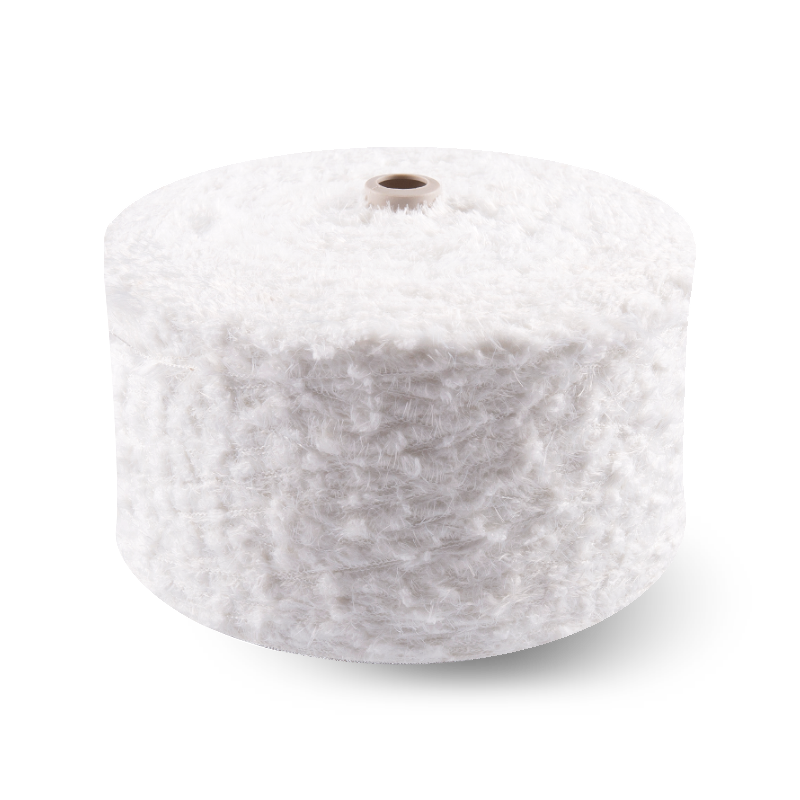
Bulky and super bulky yarns work up quickly with larger hooks, making them popular for beginners or for projects like chunky blankets and scarves where speed matters more than fine detail. Every yarn label typically lists a recommended hook size range along with a suggested gauge, and while crochet patterns are often more forgiving of gauge variation than knitting patterns, checking gauge remains especially important for fitted garments where sizing accuracy matters.
Ply count, referring to how many individual strands are twisted together to form the yarn, affects both strength and stitch definition. Higher ply yarns tend to hold their shape better and show off stitch texture more clearly, which is particularly valuable for projects like cabled crochet or textured stitch patterns meant to be a visual feature of the finished piece. Checking for even twist and consistent thickness along the strand, either by feel or by unwinding a small length before purchase, can reveal manufacturing inconsistencies that might cause uneven stitches throughout a project.
Buying enough yarn from the same dye lot for an entire project prevents visible color variation partway through a piece, which is especially noticeable in solid-colored yarns used for larger projects like blankets or garments. For projects requiring multiple skeins, confirming matching dye lot numbers on all labels before starting helps avoid this common and frustrating issue.
Proper care extends the life and appearance of finished crochet pieces considerably, and care requirements vary significantly by fiber type. Acrylic pieces generally tolerate machine washing and drying well, making them practical for items that need frequent cleaning, such as baby blankets or dishcloths. Wool pieces typically require hand washing in cool water and flat drying to prevent stretching or shrinkage, since the heat and agitation of a washing machine can cause wool fibers to felt and permanently change shape.
Blocking, a finishing technique that involves gently stretching and pinning a finished piece to set its final shape, can significantly improve the appearance of crochet garments and lace work, evening out stitch tension and helping the fabric drape as intended. Taking time to follow fiber-appropriate care instructions after completing a project ensures that the time invested in crocheting results in a piece that maintains its shape and appearance for years of use.

Copyright © Tongxiang Xinsili Textile Co., Ltd. All Rights Reserved. Wholesale High Filament DTY Yarn Manufacturers
