
 English
 Español
 عربى
عربى Türk
Türk
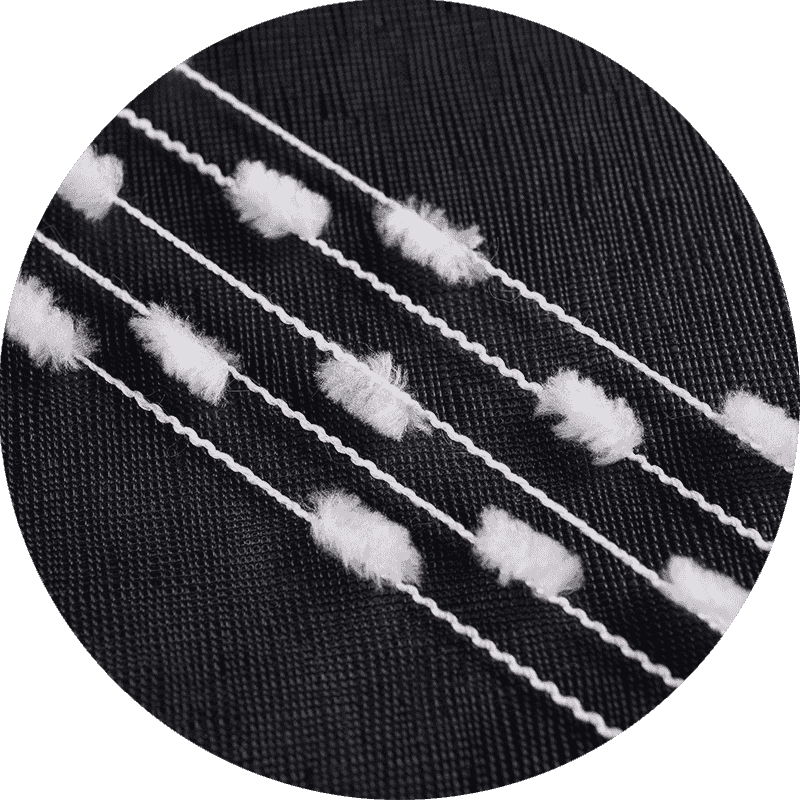
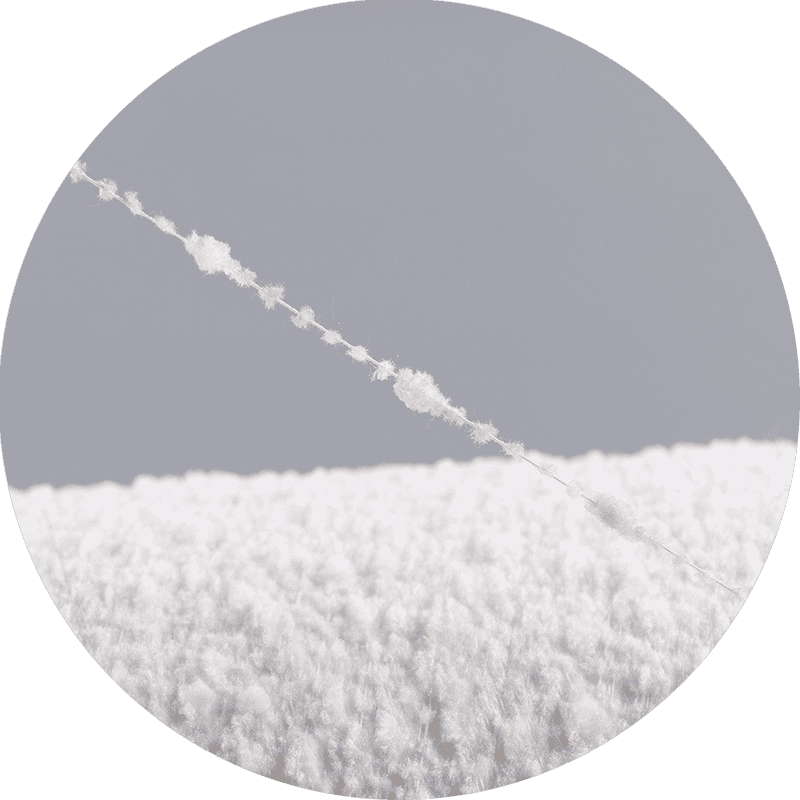
Loop yarn is a kind of fancy yarn, generally composed of core yarn, pressure yarn (sometimes also ca...

 2026.07.27
 Industry News
Content
Toothbrush yarn, sometimes called bristle filament or brush filament, is the raw synthetic fiber material used by manufacturers to produce the bristles found on toothbrushes. Rather than being woven or knitted like textile yarn, this material is extruded as a continuous monofilament strand, then cut, tufted, and trimmed into the individual bristle clusters that make up a finished toothbrush head. The term "yarn" in this context refers to the filament being wound onto spools in long, continuous lengths, similar in form to industrial textile yarn, even though its end use has nothing to do with fabric production.
Manufacturers purchase this filament in bulk spools and feed it into tufting machines that punch small bundles of the filament into pre-drilled holes in a toothbrush handle, securing each bundle with a metal anchor or a fusion-based hole-free method, depending on the production technology used by the specific manufacturer.
The vast majority of toothbrush bristle filament is made from synthetic polymers rather than natural fibers, since synthetic materials offer more consistent performance, better resistance to bacterial growth, and greater control over stiffness during manufacturing.
Nylon, particularly nylon 6 and nylon 6,10, remains the most widely used material for toothbrush bristles due to its favorable combination of flexibility, durability, and resistance to moisture absorption. Nylon filament can be engineered to different diameters and tip shapes, allowing manufacturers to produce bristles ranging from soft to firm without changing the base polymer.
Polybutylene terephthalate, commonly abbreviated as PBT, has gained popularity in recent years as an alternative to nylon because it tends to retain its shape and stiffness longer under repeated use, resisting the splaying and softening that nylon bristles can experience over time with regular brushing.
The production of bristle filament involves a specialized extrusion process designed to produce a consistent, durable strand suitable for repeated flexing and exposure to moisture over the life of a toothbrush.
Raw polymer pellets are melted and forced through a spinneret, a device containing multiple tiny holes that shape the molten polymer into thin, continuous filament strands as it cools and solidifies.
After extrusion, the filament is stretched, or drawn, to align the polymer molecules along the length of the strand, a process that significantly increases the tensile strength and flexibility of the finished filament compared to the unstretched material.
Quality-focused manufacturers apply an additional tip-rounding process to smooth the cut end of each bristle, since sharp, uneven filament tips can cause micro-abrasions to gums and enamel during regular brushing.
Several measurable characteristics of toothbrush yarn directly influence how the finished bristles feel and perform during use, making these factors important considerations for toothbrush manufacturers sourcing filament.
| Quality Factor | Effect on Performance |
| Filament Diameter | Determines bristle stiffness, from soft to firm |
| Tip Rounding Quality | Affects gentleness on gums and enamel |
| Moisture Resistance | Influences bacterial growth resistance and drying speed |
| Flex Recovery | Determines how well bristles retain shape after repeated bending |
Manufacturers typically test filament samples for these properties before committing to a bulk purchase, since inconsistent diameter or poor tip rounding across a spool can result in a noticeably uneven or uncomfortable brushing experience in the finished product.
Toothbrush yarn is engineered to different stiffness levels primarily by adjusting filament diameter, allowing manufacturers to produce the full range of bristle firmness options commonly found on store shelves.
Most dental associations recommend soft bristle toothbrushes for the general population, since effective plaque removal depends more on proper brushing technique and duration than on bristle firmness, while overly stiff bristles can contribute to gum irritation over time.
As sustainability concerns have grown within the personal care industry, manufacturers have explored alternative filament options intended to reduce the environmental footprint of disposable toothbrush bristles.
Some filament producers now offer nylon derived partially from castor bean oil rather than entirely from petroleum-based feedstock, reducing reliance on fossil fuel inputs while maintaining similar performance characteristics to conventional nylon filament.
Buyers should approach biodegradable bristle claims with some caution, since most synthetic filaments, even bio-based variants, do not fully biodegrade under typical landfill conditions and instead require specific industrial composting environments to break down as intended, making it important to verify any sustainability claims against recognized third-party certification standards.
Toothbrush manufacturers evaluating filament suppliers should request samples for physical testing rather than relying solely on technical data sheets, since real-world tufting performance can reveal inconsistencies in diameter tolerance or tip quality that specifications alone may not capture. Considering the intended firmness level, target market preferences, and any sustainability positioning for the finished product all play a role in determining which specific filament type and grade best suits a given toothbrush line, and establishing a consistent quality testing protocol with chosen suppliers helps maintain reliable bristle performance across production runs over time.

Copyright © Tongxiang Xinsili Textile Co., Ltd. All Rights Reserved. Wholesale High Filament DTY Yarn Manufacturers
