
 English
 Español
 عربى
عربى Türk
Türk
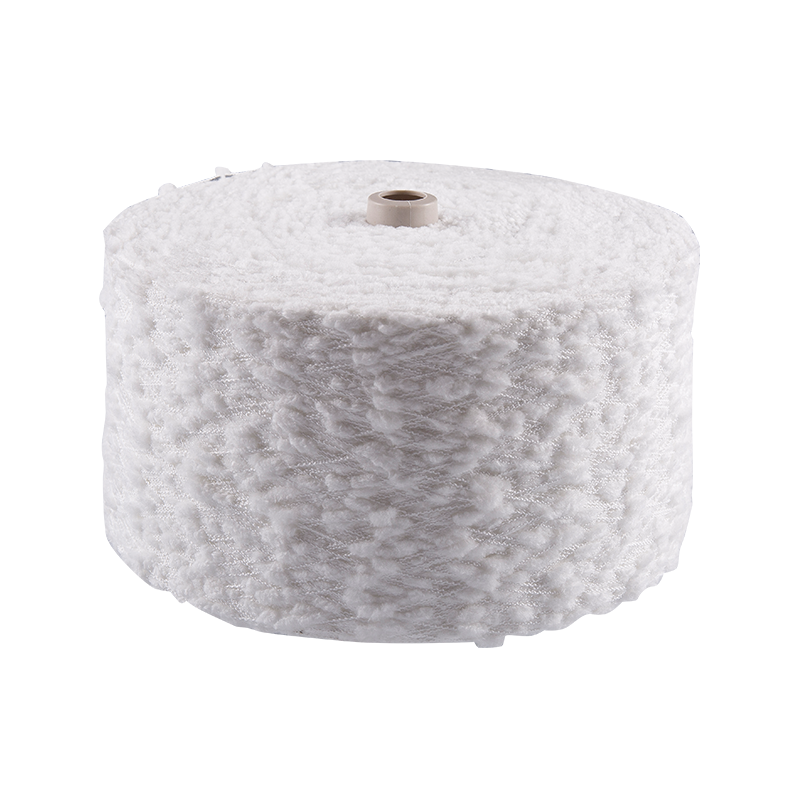
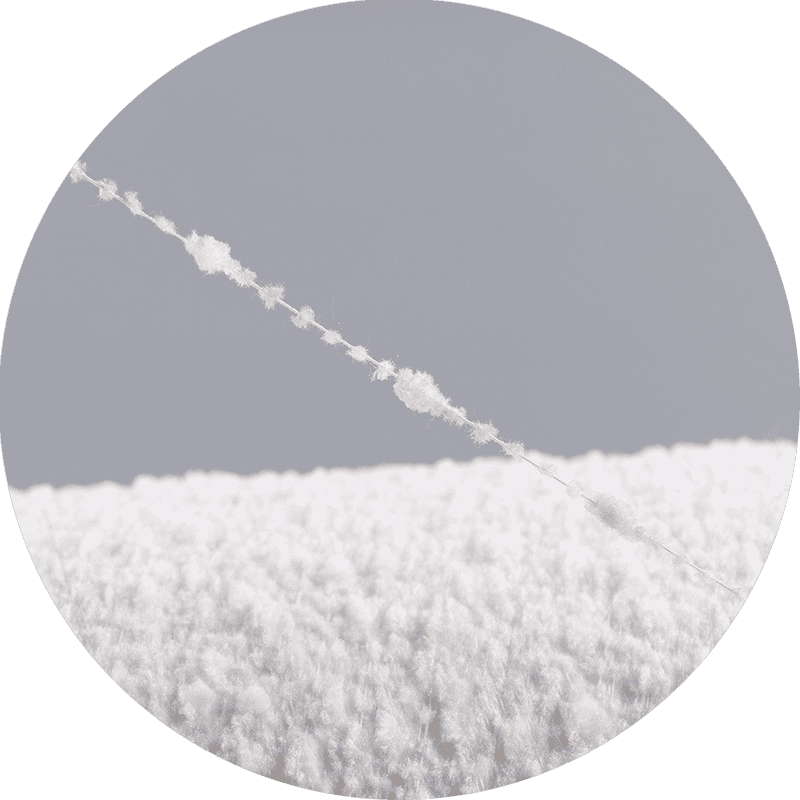
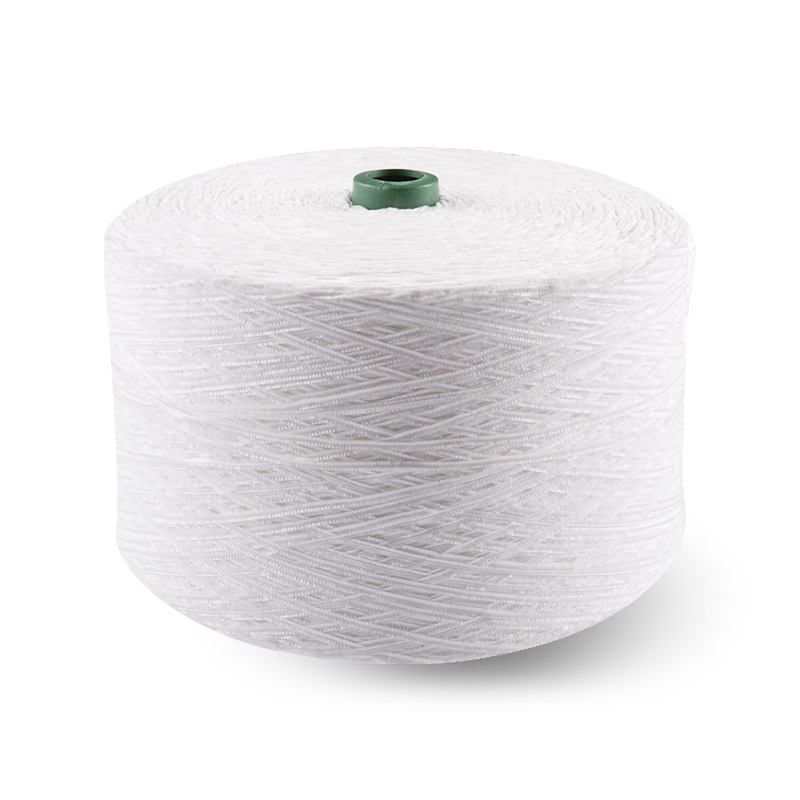
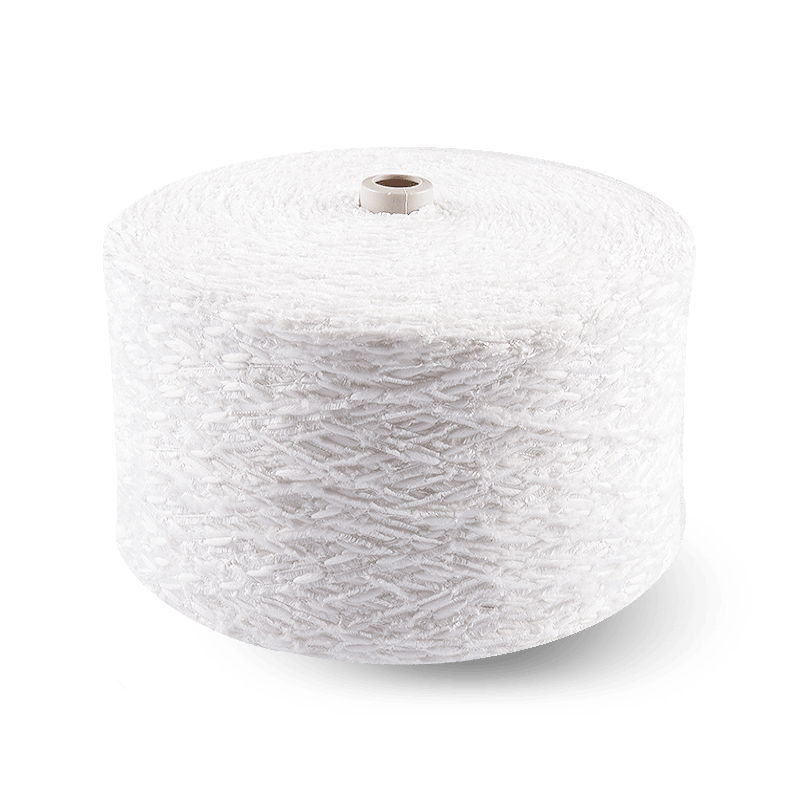
Loop yarn is a kind of fancy yarn, generally composed of core yarn, pressure yarn (sometimes also ca...

 2026.03.19
 Industry News
Content
Walk into any yarn shop or browse a crafting supplier online and you'll quickly realize that "yarn" is not a single product — it's a vast category encompassing dozens of fiber types, construction methods, textures, and weights that behave very differently in the hands of a crocheter. Choosing the wrong yarn for a project doesn't just affect appearance; it changes how the hook moves through the stitches, how the finished piece drapes or holds its shape, how it washes, and how long it lasts. Among the many yarn varieties available to crocheters, toothbrush yarn occupies a particularly interesting niche — a distinctive textured yarn that produces a specific aesthetic and tactile result impossible to replicate with standard smooth yarn. This article covers the main yarn types used in crochet, how to match them to projects and skill levels, and everything you need to know about toothbrush yarn specifically.
Before exploring specific yarn types, it's essential to understand yarn weight — the standardized thickness classification system that determines hook size, gauge, and appropriate application for any given yarn. The Craft Yarn Council's standardized weight system runs from 0 (lace) to 7 (jumbo), and understanding where a yarn falls on this scale is the first piece of information that shapes every subsequent decision about a crochet project.
| Weight Category | Common Names | Hook Size (mm) | Best Uses |
| 0 – Lace | Thread, cobweb | 1.5 – 2.25 | Doilies, fine lace, thread crochet |
| 1 – Super Fine | Fingering, sock | 2.25 – 3.5 | Socks, lightweight shawls, amigurumi |
| 2 – Fine | Sport, baby | 3.5 – 4.5 | Baby items, lightweight accessories |
| 3 – Light | DK, light worsted | 4.5 – 5.5 | Garments, accessories, home décor |
| 4 – Medium | Worsted, aran | 5.5 – 6.5 | Sweaters, blankets, scarves, hats |
| 5 – Bulky | Chunky, craft | 6.5 – 9 | Quick blankets, outerwear, rugs |
| 6 – Super Bulky | Super chunky, roving | 9 – 15 | Statement blankets, chunky cowls |
| 7 – Jumbo | Extreme, arm knit weight | 15+ | Giant blankets, wall hangings |
Weight 4 worsted is the most popular weight for crochet beginners and experienced makers alike because it works up quickly, is easy to see individual stitches, and is compatible with a wide range of project types. However, the appropriate weight for any project is determined by the desired drape, warmth, stitch definition, and the specific pattern being followed — not by default preference.
Beyond weight, the fiber content of a yarn determines its warmth, breathability, elasticity, care requirements, and how it feels against the skin. The same weight in different fiber types produces radically different crocheted fabric in terms of drape, structure, and hand feel.
Wool is the classic crochet fiber, prized for its elasticity, stitch memory, and natural insulating properties. It has a slight grip between fibers that makes it forgiving to work with — stitches don't slip off hooks as easily as with slicker fibers — and it can be wet-blocked to shape and hold that shape after drying. Merino wool, sourced from a specific fine-fleeced sheep breed, is the softest and most skin-friendly wool variant, with fiber diameters under 20 microns that make it comfortable for direct skin contact. Specialty animal fibers including alpaca (ultra-soft with beautiful drape but low elasticity), mohair (a halo-producing goat fiber often held alongside another yarn), cashmere, and qiviut occupy the luxury tier and are typically blended with other fibers to reduce cost and improve workability. The primary limitation of most wool yarns is care — most require hand washing or gentle machine washing in cold water to prevent felting, though Superwash-treated wool has been processed to make it machine washable.
Cotton yarn is inelastic — it has no stretch — which produces a very different crocheting experience from wool. The fabric it creates is dense, stitch-defined, and durable, making it ideal for dishcloths, market bags, summer tops, and amigurumi that need to hold their shape without stretching. Cotton's breathability and moisture absorption make it the preferred fiber for warm-weather garments and baby items where temperature regulation matters. It is fully machine washable, which is a significant practical advantage. The lack of elasticity in cotton yarn means tension is harder to control consistently, particularly for beginners, and the fabric can feel stiff if crocheted too tightly. Linen, bamboo, hemp, and lyocell (Tencel) represent plant-based alternatives with different hand feels — linen is slightly rough when new but softens beautifully with washing; bamboo and Tencel have a silky drape and sheen that cotton does not.
Acrylic is the most widely used crochet yarn in the world, and for good practical reasons. It is inexpensive, available in an enormous range of colors, fully machine washable and dryable, hypoallergenic (no animal fiber sensitivity concerns), and consistent in quality across mass production. Modern premium acrylic yarns — such as those marketed as "soft" or "anti-pilling" — have advanced considerably beyond the scratchy, stiff acrylics of previous decades and offer a genuinely pleasant hand feel suitable for garments, baby items, and home accessories. Acrylic is the recommended starting yarn for beginners because mistakes can be confidently frogged (unraveled) and the material is inexpensive enough that learning projects don't represent a significant financial investment. The key limitation of acrylic is that it cannot be wet-blocked like wool — it holds shape when steam-blocked using heat, but the process is less forgiving and reversible than wool blocking.
Many commercial crochet yarns combine two or more fiber types to balance the strengths and weaknesses of each. Wool/acrylic blends retain wool's elasticity and warmth while adding machine washability and reducing cost. Cotton/acrylic blends soften cotton's rigidity and reduce its price while maintaining breathability. Mohair/silk blends create a luxurious halo fabric with remarkable drape. When evaluating a blended yarn, the fiber listed first on the label is present in the highest proportion, and the performance characteristics of the blend will reflect the dominant fiber modified by the secondary component's contribution.
Beyond fiber content, yarn construction — how the yarn is physically made — creates a wide range of textures, appearances, and crocheting experiences that smooth, standard plied yarns cannot replicate. These specialty constructions are what give crochet projects distinctive visual and tactile character.
Toothbrush yarn — also known as rag yarn, fabric strip yarn, or T-shirt yarn — is a distinctive yarn type made from strips of fabric (most commonly jersey knit fabric or recycled T-shirt material) that are cut into continuous spiraling strips and then wound into yarn-like balls or cones. The name "toothbrush yarn" in some crafting traditions refers specifically to a flat, strip-based yarn used with a large hook or even worked on a toothbrush loom or frame for specific rug and mat-making techniques — though the term is used more broadly in some markets to describe any fabric strip yarn used in chunky or rug crochet.
What makes toothbrush yarn immediately distinct from conventional crochet yarn is its width and construction. Instead of being spun from twisted fibers, it is a flat strip of woven or knitted fabric — typically 1 to 2 cm wide — that naturally rolls in on its edges as it is worked, creating a rounded but flat-ish strand. This produces a very different fabric structure than plied yarn: thicker, stiffer, and with a textile density that makes finished pieces extremely durable and suitable for functional items like rugs, baskets, pot holders, placemats, and storage containers that need to withstand heavy use and regular washing.
Commercially produced toothbrush or fabric strip yarn is most commonly made from 95 to 100% cotton jersey fabric, often sourced from recycled textile waste or off-cuts from garment manufacturing. This gives it an environmental appeal alongside its practical performance — it repurposes material that would otherwise be discarded. The cotton construction makes it fully machine washable, color-fast, and free of synthetic fibers, which is important for items like bath mats and kitchen rugs that contact bare skin and require frequent laundering. Some toothbrush yarn variants incorporate polyester or poly-cotton blends from recycled sources, which adds durability and reduces pilling in the finished rug surface. Premium versions use dyed fabric strips for vivid solid colors or intentionally variegated multi-color strips that produce a random stripe effect in worked pieces.
Working with toothbrush yarn requires a large crochet hook — typically 10 mm to 16 mm — to accommodate the width of the fabric strip and produce a fabric that is dense and firm but not so tight that the hook cannot move through stitches. The most commonly used stitch with toothbrush yarn is single crochet, because its tight structure suits the weight and rigidity of the material, creating a flat, even surface appropriate for rugs and flat items. Slip stitch worked in spirals is also used for round rug constructions, producing a tightly packed, very firm base. More open stitch patterns like half double or double crochet are less effective with fabric strip yarn because the open stitch structure allows the flat strip to fold and lie inconsistently, disrupting the fabric's surface evenness.
When starting a project with toothbrush yarn, managing the strip from the ball is important — it does not unwind as smoothly as wound plied yarn and can tangle if pulled from the outside of a large ball. Working from the center pull of the ball, or keeping the ball in a bowl to control feeding tension, reduces tangles significantly. Joining new strips of toothbrush yarn mid-project is done by tying an overhand knot or using a slip-join, leaving the knot on the wrong side of the work where it will be hidden in the fabric's density.
Understanding which projects are suited to toothbrush yarn versus conventional crochet yarn prevents the frustration of attempting a project in an incompatible material and helps makers make the most of each yarn type's specific strengths.
One of the most practical appeals of toothbrush yarn is that it can be made at home from old T-shirts, jersey fabric remnants, or any knit fabric that is no longer usable in its original form. The process is straightforward and requires only scissors and a flat surface. Lay the fabric flat and cut it into continuous spiraling strips approximately 1 to 2 cm wide — avoiding the hemmed edges of T-shirts, which create uneven thickness. The jersey knit fabric naturally curls lengthwise as it is cut into strips, forming a rounded strand that behaves like commercially produced toothbrush yarn. Wind the finished strips into a ball, joining multiple T-shirts by tying the end of one strip to the beginning of the next with a small overhand knot, and the resulting ball is ready to use with a large hook immediately.
Choosing the right yarn for crochet is never a single decision — it is a series of choices about weight, fiber, construction, and the specific demands of the project at hand. Whether working with fine merino lace yarn for a delicate shawl, worsted-weight acrylic for a beginner's first blanket, or robust toothbrush yarn for a bathroom rug that will last years of weekly washing, the material you choose shapes everything about the making process and the finished result. Understanding the distinct character of each yarn type — and knowing where toothbrush yarn fits within that broader spectrum — gives every crocheter the knowledge to make confident, informed material choices for any project they take on.

Copyright © Tongxiang Xinsili Textile Co., Ltd. All Rights Reserved. Wholesale High Filament DTY Yarn Manufacturers
