
 English
 Español
 عربى
عربى Türk
Türk
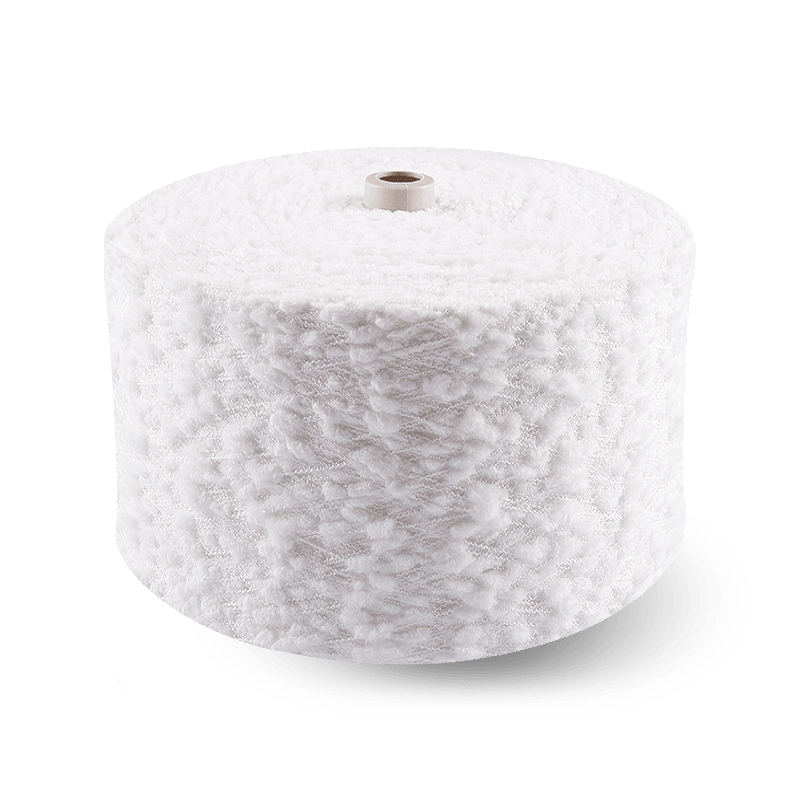
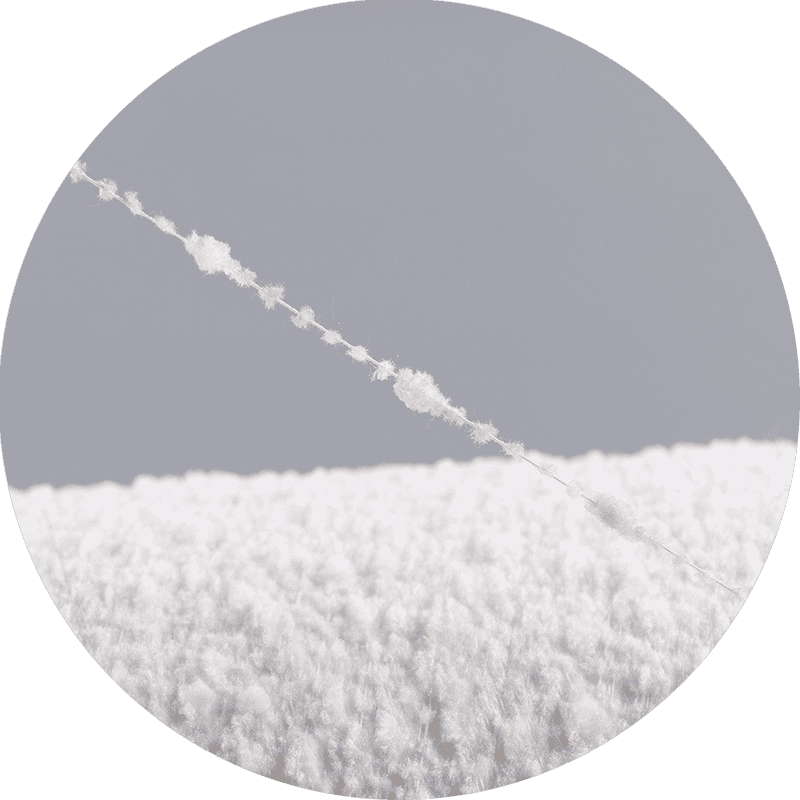
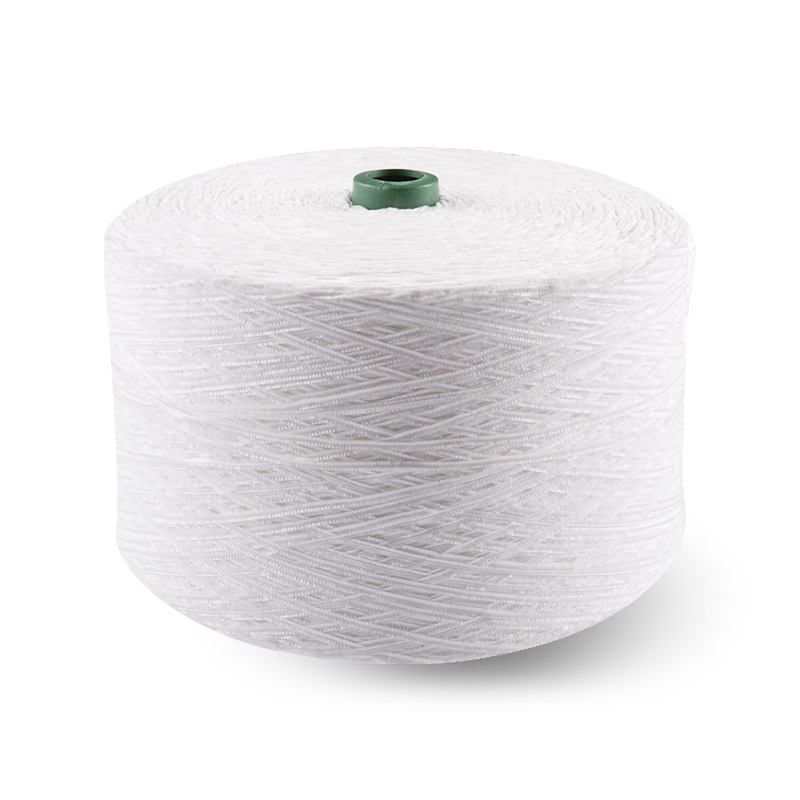
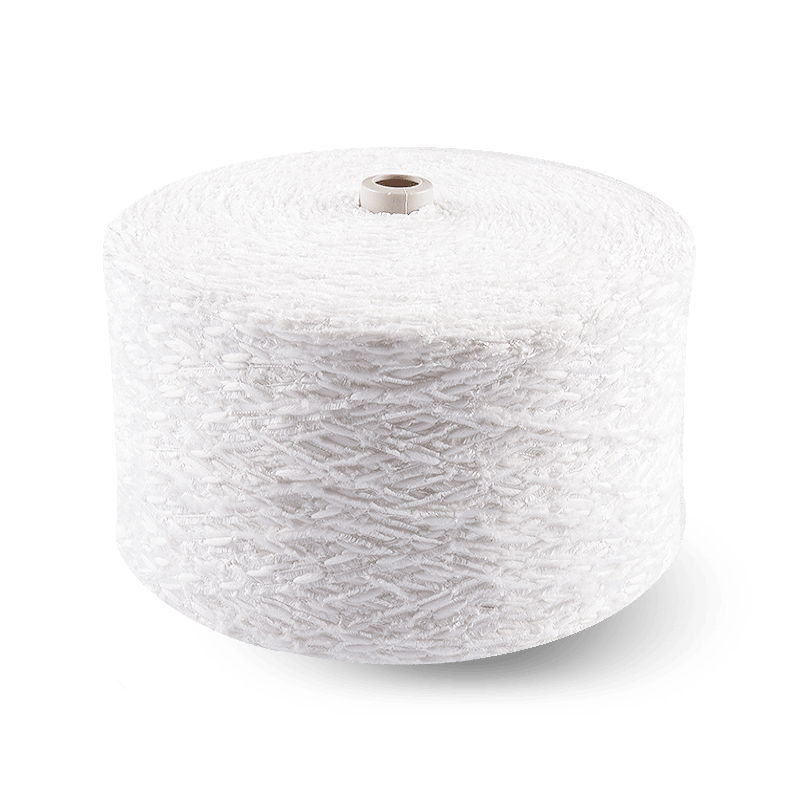
Loop yarn is a kind of fancy yarn, generally composed of core yarn, pressure yarn (sometimes also ca...

 2026.03.11
 Industry News
Content
Yarn over — abbreviated as YO in crochet patterns — is the single most fundamental motion in the entire craft of crochet. It refers to the action of wrapping the working yarn over the crochet hook from back to front before making a pull-through, and virtually every stitch in crochet requires at least one yarn over to complete. A single crochet requires one yarn over to finish; a double crochet requires two yarn overs across its construction; a treble crochet requires three. Understanding exactly how and when to perform a yarn over correctly determines the consistency of stitch height, the tightness of the resulting fabric, and the overall professional quality of the finished piece — whether that piece is a flat granny square or a three-dimensional amigurumi animal.
The mechanics of a correct yarn over are simple but critical. The yarn should travel from beneath the hook shaft, wrapping over the top from back to front, so that when you draw a loop through the stitch below the new loop sits with the leading leg — the front leg — sitting forward on the hook. This orientation matters because if you wrap the yarn in the wrong direction — from front to back — the resulting stitch will be twisted, creating a tighter, rotated loop that distorts the fabric surface and changes the stitch's behavior in ways that compound across a project. For amigurumi, where the goal is a dense, gap-free fabric that contains stuffing without the filling showing through, consistently correct yarn over direction is even more important than in flat decorative projects because twisted stitches in a round create visible irregularities in the surface of the finished toy.
Yarn over tension — how loosely or tightly you hold and wrap the working yarn — is equally important. Loose yarn overs produce larger loops that result in open, airy stitches; tight yarn overs create smaller, firmer loops that produce dense, compact fabric. For most amigurumi work, a deliberately tighter-than-usual yarn over tension is desirable because the toy's surface fabric must be dense enough to hide the stuffing inside. Many experienced amigurumi makers hold their working yarn with slightly more tension than they would for a standard flat crochet project, and some deliberately work one hook size smaller than the yarn manufacturer's recommended size specifically to tighten the resulting fabric structure.
The yarn over motion is not performed identically in every stitch — the timing, number of wraps, and the direction from which the hook enters the stitch all interact with the yarn over to produce different stitch characteristics. Recognizing how yarn over contributes differently across stitch types helps crocheters troubleshoot problems in their work and intentionally choose stitches that suit the fabric they are trying to create.
In a single crochet stitch — the most common stitch in amigurumi construction — the yarn over occurs once, at the point after the hook has been inserted into the stitch and pulled up the first loop. With two loops on the hook, one yarn over followed by a pull through both loops completes the stitch. The compactness of single crochet comes directly from the single yarn over: there is no extra wrapping to lengthen the stitch post, which keeps the stitch low and tight. When worked in continuous rounds — the standard method for amigurumi — rows of single crochet worked with consistent yarn over tension produce a firm, almost felt-like fabric that is ideal for stuffed toys.
A half double crochet begins with a yarn over before the hook enters the stitch, producing three loops on the hook after the initial pull-through, all of which are drawn off together with a single yarn over. A double crochet begins with the same preparatory yarn over, but the three loops are worked off in two stages — each requiring its own yarn over — creating a taller stitch with a more visible post structure. These taller stitches are used in amigurumi patterns for specific shaping effects, but they are less common for main body construction than single crochet because their additional height creates a slightly more open fabric that shows stuffing more easily.
Amigurumi — the Japanese art of crocheting small stuffed animals and characters — places specific and demanding requirements on both the crochet technique and the yarn used that differ significantly from the requirements of flat decorative crochet. The term combines the Japanese words for "knitted" and "stuffed doll," though in practice virtually all commercial amigurumi is crocheted rather than knitted. The defining structural characteristic of amigurumi is that the fabric is worked in continuous spiraling rounds rather than joined rounds, which produces a seamless three-dimensional shape that can be stuffed with polyester fiberfill to create a firm, sculptural toy form.
Because the fabric must enclose stuffing without the filling being visible through the stitch gaps, amigurumi crochet demands a significantly denser, tighter stitch fabric than most flat projects. This is achieved through a combination of correct yarn over technique, hook size selection, yarn weight choice, and the inherent properties of the specific yarn used. A fabric with even tiny gaps between stitches — caused by loose yarn overs, an oversized hook, or a yarn that splits easily on the hook — produces an amigurumi toy with stuffing that peeks through the surface, giving the toy a cheap, unfinished appearance. Professional-looking amigurumi has a uniform, smooth outer surface where individual stitches form a consistent texture without visible holes or thin spots.
Yarn selection is one of the most consequential decisions in amigurumi making. Not all yarns that perform well in flat crochet or knitting are suitable for amigurumi, and understanding what properties make a yarn effective for stuffed toy construction helps both beginners and experienced makers choose materials that produce better results with less frustration.
100% cotton yarn is one of the most popular choices for amigurumi, particularly for toys intended for young children. Cotton is naturally hypoallergenic, free from animal fiber allergens, and can be washed at higher temperatures than most acrylic yarns — an important practical consideration for toys that will be handled by children and need frequent cleaning. Cotton yarn produces a very tight, dense fabric when worked on a hook one to two sizes smaller than the manufacturer's recommendation, which is the standard amigurumi approach to achieving a gap-free surface. The slight sheen and smooth surface of mercerized cotton gives finished amigurumi a crisp, clean appearance with sharp stitch definition that shows color blocking and color change details clearly. The main disadvantage of cotton for beginners is that it has very low stretch and elasticity, making it less forgiving of tension inconsistencies than acrylic — any variation in yarn over tension is immediately visible in cotton amigurumi stitch work.
Anti-pilling acrylic yarn in DK or worsted weight is the most widely used yarn for amigurumi globally, and for good reason. It is highly affordable, available in an enormous range of colors including the bright, saturated solids that amigurumi designs frequently require, and its slight stretch makes it more forgiving of tension variation than cotton. The "anti-pilling" specification is important — standard acrylic yarns pill aggressively under the friction of repeated stuffed toy handling, degrading the surface appearance rapidly. Anti-pilling acrylic yarn uses a fiber treatment that significantly reduces pilling, maintaining the toy's surface quality through years of handling. Brands like Paintbox Simply DK, Lion Brand Vanna's Choice, and Scheepjes Colour Crafter are consistently recommended by amigurumi designers for their color range, consistency, and anti-pilling properties.
Chenille and velvet-type yarns — where short pile fibers extend perpendicular to the yarn core — have become increasingly popular for amigurumi because the velvety surface texture they produce on the finished toy mimics the plush feel of commercial stuffed animals. These yarns require more careful technique than smooth yarns because the pile makes it harder to identify individual stitches during work, increasing the risk of miscounting or accidentally splitting the yarn. Working with a stitch marker in every round is particularly important when using chenille yarn, and many makers find that working under bright, directed light helps identify stitch tops clearly through the pile texture. The resulting toy has a soft, furry surface that appeals strongly to children and is particularly effective for realistic animal amigurumi designs.
The interaction between yarn weight and hook size determines the density of the final amigurumi fabric. The following table provides practical starting point recommendations for common amigurumi yarn weights, noting that most amigurumi makers work with a hook one to two sizes smaller than the manufacturer's recommendation specifically to tighten the fabric:
| Yarn Weight | Standard Hook Size | Amigurumi Hook Size | Finished Toy Size |
| Fingering / Sock (1) | 2.25 – 3.5 mm | 1.75 – 2.25 mm | Very small, miniature amigurumi |
| Sport / Baby (2) | 3.5 – 4.5 mm | 2.5 – 3.0 mm | Small, detail-focused figures |
| DK / Light Worsted (3) | 4.0 – 5.5 mm | 3.0 – 3.5 mm | Standard amigurumi, 10–20 cm |
| Worsted / Aran (4) | 5.0 – 6.0 mm | 3.5 – 4.0 mm | Larger toys, 20–35 cm |
| Bulky (5–6) | 6.0 – 9.0 mm | 5.0 – 5.5 mm | Large, oversized amigurumi |
Even experienced crocheters encounter yarn over-related problems when working amigurumi, and many of these issues are more visible in three-dimensional work than in flat projects because the stuffed form stretches the fabric outward and makes any gap, twist, or tension inconsistency immediately apparent on the toy's surface. Recognizing the most common mistakes and understanding their root causes allows makers to correct problems before they compound across dozens of rounds.
Beyond correct yarn over technique and appropriate yarn selection, several additional practices consistently separate well-finished amigurumi from projects that look slightly unpolished. These tips address the practical realities of working three-dimensional crochet in continuous rounds over many sessions.
Mastering the yarn over as a deliberate, conscious technique — rather than treating it as an unconscious automatic motion — is the most direct path to consistent, professional-quality amigurumi. Combined with appropriate yarn selection that prioritizes density, anti-pilling performance, and tight ply construction, correct yarn over technique produces the firm, gap-free fabric surface that makes finished amigurumi toys look polished and feel satisfying to hold. Every stitch in an amigurumi project traces back to this single, foundational motion — which makes investing time to perfect it the highest-return practice available to any crocheter working in this craft.

Copyright © Tongxiang Xinsili Textile Co., Ltd. All Rights Reserved. Wholesale High Filament DTY Yarn Manufacturers
