
 English
 Español
 عربى
عربى Türk
Türk
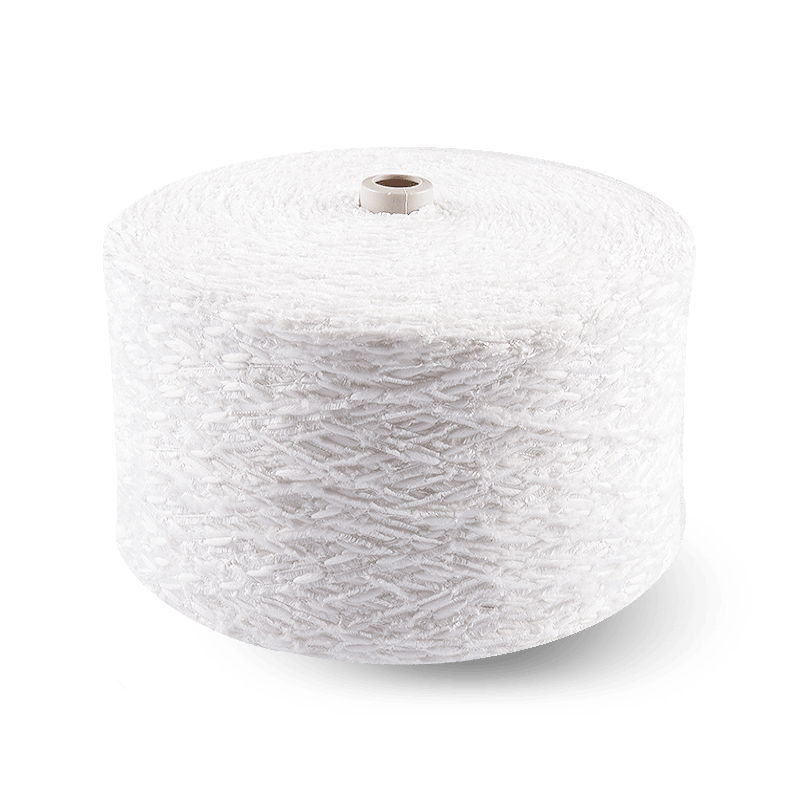
Loop yarn is a kind of fancy yarn, generally composed of core yarn, pressure yarn (sometimes also ca...

 2026.08.04
 Industry News
Content
Chenille yarn is instantly recognizable by its soft, velvety texture and fuzzy pile, making it a favorite among crafters and manufacturers for producing plush blankets, cozy sweaters, and decorative home textiles. Its distinctive structure, resembling a caterpillar (the literal French translation of "chenille"), comes from a unique construction process that sets it apart from standard spun yarns. This article covers how chenille yarn is made, the materials commonly used, and practical guidance for working with it in both hand crafting and manufacturing contexts.
Unlike traditional yarns, which are formed by twisting continuous strands of fiber together, chenille yarn is constructed using a core thread with short pile fibers inserted perpendicular to it, creating a fuzzy, velvet-like surface all around the yarn's circumference. This structure gives chenille its characteristic softness and visual depth, since light reflects differently off the yarn depending on the angle it is viewed from, producing a subtle shimmer effect often described as similar to velvet fabric.
The pile fibers in chenille yarn are held in place by two core threads that are twisted together, trapping the shorter fibers securely between them. This construction method means chenille yarn behaves differently than standard spun yarn during crafting, since the pile can shift or "worm" along the core thread if not handled carefully, particularly during the early stages of a knitting or crochet project before the fabric structure locks the fibers into place.
Chenille yarn can be produced from a range of fiber types, each affecting the final texture, drape, and durability of the finished product. Understanding these material differences helps in selecting the right chenille yarn for a specific project.
| Fiber Type | Feel | Best For |
| Acrylic | Soft, lightweight | Blankets, budget-friendly projects |
| Cotton | Breathable, matte finish | Summer garments, washcloths |
| Polyester | Durable, glossy sheen | Upholstery, decorative trims |
| Rayon/Viscose | Luxurious drape, high sheen | Scarves, elegant apparel |
| Wool blend | Warm, dense | Winter sweaters, cold-weather accessories |
The production of chenille yarn begins with a specialized weaving process, often referred to as leno weaving, which is distinct from the spinning process used for conventional yarns. In this method, short lengths of fiber, called pile ends, are woven between two core warp threads that are twisted around each other as they interlock the pile ends in place. This creates a long, continuous strip of woven fabric that resembles a narrow ladder structure, with fibers protruding outward from the central axis.
Once this woven strip is complete, it is cut lengthwise into narrow strands, which become the final chenille yarn. This cutting process is what causes the pile fibers along the edges to fray outward, creating the fuzzy, brush-like texture that gives chenille its name and signature softness. The precision of this cutting stage significantly affects the yarn's final density and uniformity, since inconsistent cutting can lead to uneven pile distribution along the yarn's length.
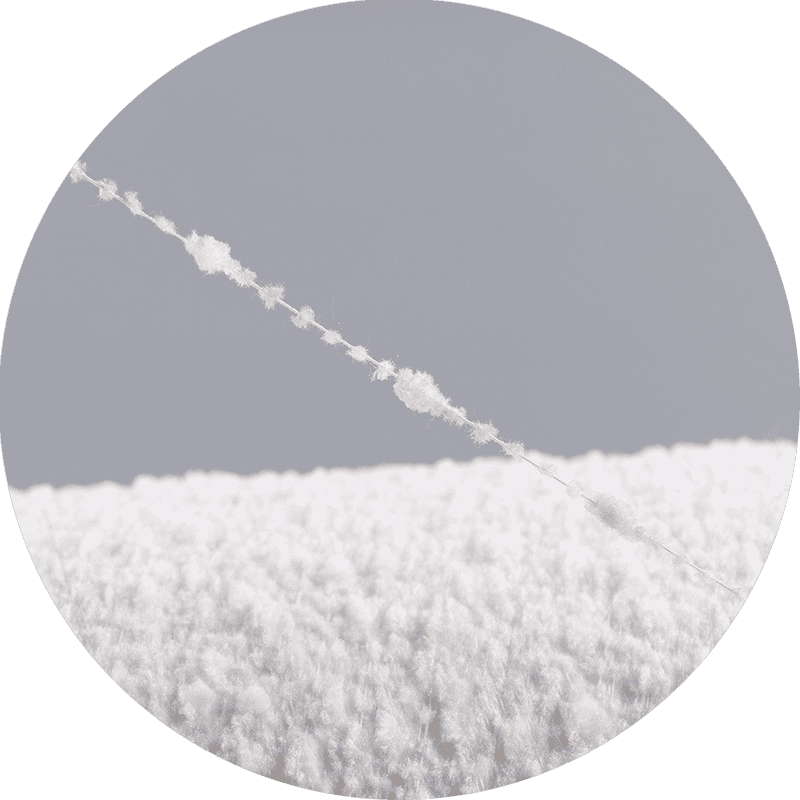
Working with chenille yarn requires some adjustments compared to standard yarn, primarily due to its tendency to "worm," a term crafters use to describe the pile fibers bunching or twisting unevenly along the core thread during use. This happens most often when the yarn is handled roughly or worked at high tension, so maintaining a relaxed, even tension throughout a project helps minimize this issue. Using larger needles or hooks than typically recommended for a yarn's weight can also help, since looser stitches allow the pile fibers to settle more naturally into the fabric structure.
Because chenille yarn lacks the elasticity of wool or acrylic blends, it tends to have less stretch and recovery, which can make it prone to stitch definition loss in complex textured patterns. Simple stitch patterns, such as basic knit, purl, or single crochet, tend to showcase chenille's plush texture more effectively than intricate cable or lace patterns, which can become visually muddled by the yarn's fuzzy surface.
Proper care is essential for preserving the softness and appearance of finished chenille projects, since improper washing can cause the pile fibers to mat, flatten, or shed prematurely. Hand washing in cool water with a mild detergent is generally the safest approach, particularly for natural fiber chenille like cotton or wool blends, since machine washing can create friction that damages the delicate pile structure.
When machine washing is necessary, using a gentle cycle inside a mesh laundry bag helps protect the yarn from excessive agitation. Drying should always be done flat rather than hanging, since the weight of a wet chenille garment or blanket can cause stretching and distortion if suspended. Avoiding high heat during both washing and drying is particularly important for acrylic and polyester chenille, as excessive heat can cause the fibers to flatten permanently, resulting in a loss of the yarn's signature plush texture.
Chenille yarn's distinctive velvety texture makes it a rewarding material for both crafters and manufacturers seeking to add softness and visual richness to their projects. By understanding its unique construction, choosing the right fiber for the intended use, and following proper working and care techniques, you can create chenille projects that stay soft, plush, and beautiful for years to come.


Copyright © Tongxiang Xinsili Textile Co., Ltd. All Rights Reserved. Wholesale High Filament DTY Yarn Manufacturers
