
 English
 Español
 عربى
عربى Türk
Türk
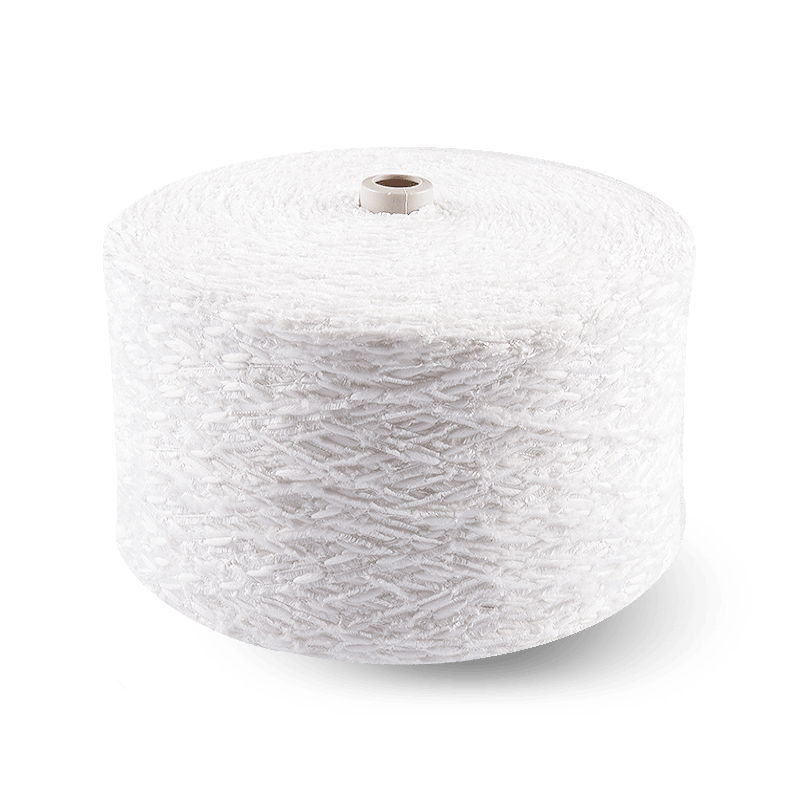
Loop yarn is a kind of fancy yarn, generally composed of core yarn, pressure yarn (sometimes also ca...

 2026.08.11
 Industry News
Content
Doped dyed polyester yarn also known as solution dyed or mass dyed yarn, is polyester fiber that has color pigment added directly into the molten polymer before it is extruded into filaments. Rather than dyeing finished fabric or yarn after production, the coloring process happens at the earliest possible stage, embedding pigment throughout the entire cross-section of each fiber. This is fundamentally different from conventional piece dyeing or yarn dyeing, where color is applied to the surface of already-formed fibers through a separate wet processing step.
Because the pigment becomes an integral part of the fiber structure itself, doped dyed yarn produces exceptionally colorfast material that resists fading from sunlight, washing, and abrasion far better than traditionally dyed alternatives. This property has made it increasingly popular across industries where long-term color retention is a priority, including outdoor textiles, automotive interiors, and technical fabrics.
Understanding the production process helps explain why doped dyed yarn behaves so differently from conventionally dyed polyester in terms of both performance and cost structure.
Before extrusion, color pigments in the form of fine powder or masterbatch pellets are blended directly into the molten polyester polymer chip. This mixture is thoroughly homogenized to ensure even color distribution throughout the entire batch before it moves to the spinning stage.
The pigmented polymer is then forced through spinnerets, small metal plates with tiny holes, to form continuous filaments. As the molten polymer cools and solidifies into fiber form, the pigment becomes permanently locked within the fiber's internal structure rather than sitting on its surface.
The solidified filaments are then drawn, or stretched, to align the polymer molecules and increase tensile strength before being wound into yarn form. Because the color was introduced before this stage, the finished yarn requires no additional dyeing step, eliminating an entire phase of traditional textile production.
The differences between doped dyed and conventionally dyed polyester extend beyond just the manufacturing process, affecting performance, cost structure, and environmental impact.
| Factor | Doped Dyed Polyester | Conventionally Dyed Polyester |
| Color Fastness | Excellent, resists fading long-term | Good, but fades faster with UV and washing |
| Water Usage | Significantly lower, no wet dyeing step | Higher, requires dye baths and rinsing |
| Color Flexibility | Lower, requires large minimum order quantities per color | Higher, easier to produce small custom color batches |
| Production Lead Time | Longer for new colors, shorter for repeat orders | Generally faster for one-off custom colors |
Beyond superior color retention, doped dyed polyester yarn offers several practical benefits that make it attractive for both manufacturers and end product designers.
The exceptional colorfastness of doped dyed polyester makes it especially valuable in applications where fabric is exposed to prolonged sunlight, moisture, or repeated washing. Outdoor furniture fabrics, awnings, and marine upholstery frequently use doped dyed yarn to resist UV fading over years of outdoor exposure. Automotive interior textiles, including seat covers and headliners, also rely on this yarn type to maintain consistent color despite exposure to sunlight through vehicle windows. Additionally, activewear and swimwear manufacturers favor doped dyed polyester for its resistance to chlorine and saltwater degradation, ensuring garments retain their color through repeated pool or ocean use.
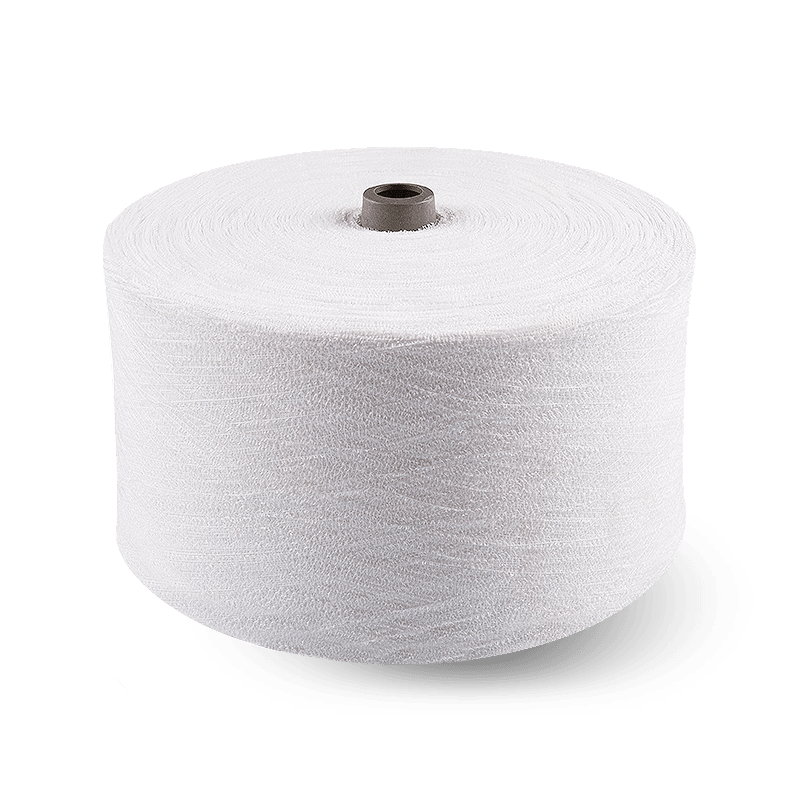
While doped dyed polyester offers clear performance advantages, buyers should be aware of a few practical limitations before committing to large orders. Because pigment is introduced at the polymer stage, minimum order quantities for custom colors are typically higher than conventional dyeing, making this option less economical for small-batch or highly varied color runs. Lead times for new, non-standard colors can also be longer, since pigment formulation and testing must occur before production begins. Buyers working with frequently changing seasonal color palettes may find conventional dyeing more practical, while those producing consistent, high-volume orders in stable colors will generally benefit most from the durability and cost efficiency of doped dyed yarn over time.


Copyright © Tongxiang Xinsili Textile Co., Ltd. All Rights Reserved. Wholesale High Filament DTY Yarn Manufacturers
