
 English
 Español
 عربى
عربى Türk
Türk
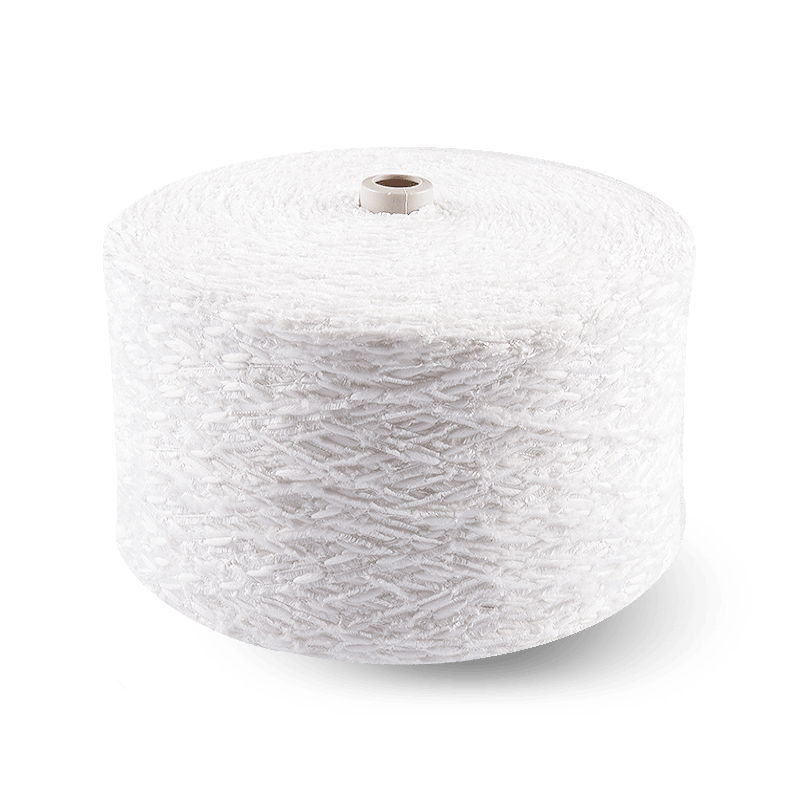
Loop yarn is a kind of fancy yarn, generally composed of core yarn, pressure yarn (sometimes also ca...

 2026.08.19
 Industry News
Content
Doped dyed polyester yarn, also known as solution dyed or spin dyed polyester, is a type of yarn where color pigments are added directly into the polymer melt before the fiber is extruded, rather than being applied to the finished yarn afterward through a separate dyeing process. This method embeds color throughout the entire cross-section of the fiber, resulting in exceptionally durable and consistent coloration that resists fading, even under prolonged exposure to sunlight, washing, and chemical treatments.
Because the coloring process occurs at the fiber production stage rather than in a downstream textile mill, doped dyed polyester yarn offers significant advantages in terms of colorfastness, environmental impact, and production efficiency. This has made it a preferred material choice for applications where long-term color stability is critical, such as outdoor furniture fabrics, automotive interiors, and technical textiles.
Understanding the manufacturing process behind doped dyed polyester yarn helps explain why it performs differently from conventionally dyed yarns.
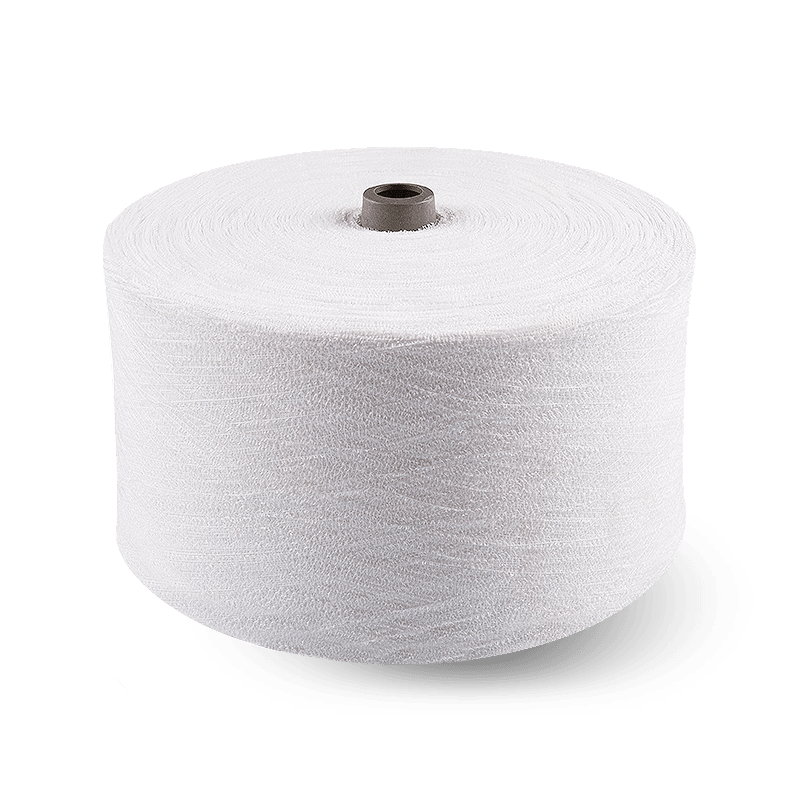
Solid pigment particles are blended into molten polyester polymer chips before the extrusion stage. The pigment must be carefully dispersed to ensure even color distribution throughout the melt, which directly affects the consistency of the final yarn color.
The pigmented polymer melt is forced through spinnerets to form continuous filaments, which are then cooled, stretched, and wound onto bobbins. Because the color is already integrated into the polymer structure at this stage, no additional dyeing bath is required afterward.
Manufacturers conduct color consistency checks throughout production, comparing yarn samples against standardized color references to ensure batches match required specifications before shipment to textile producers.
This yarn type offers several practical benefits that make it attractive for manufacturers and end users across various industries.
The table below highlights the practical differences between doped dyed polyester yarn and conventionally dyed polyester yarn to clarify which option best suits specific production needs.
| Feature | Traditional Dyed Yarn | Doped Dyed Polyester Yarn |
| Colorfastness | Moderate | Excellent |
| Water Usage | High | Minimal |
| Production Flexibility | High for small custom batches | Better suited to large volume orders |
| Environmental Impact | Higher wastewater output | Lower environmental footprint |
| Best Applications | Fashion apparel with frequent color changes | Outdoor and technical textiles |
Due to its durability and color stability, this yarn type is used extensively across industries where long-term performance is essential.
While doped dyed polyester yarn offers many benefits, manufacturers should be aware of certain limitations before committing to this material for a project.
Since color is fixed during fiber production, switching colors requires a new production run rather than a simple dye bath adjustment, which can limit flexibility for smaller or highly customized orders.
Because color changes require adjusting the extrusion process, manufacturers often require higher minimum order quantities for doped dyed yarn compared to piece-dyed alternatives, making it less practical for very small production runs.
Buyers evaluating suppliers should consider several factors to ensure they receive consistent, high-quality yarn suited to their production needs.
Doped dyed polyester yarn offers a durable, environmentally efficient alternative to traditional dyeing methods, particularly for applications requiring long-lasting color performance. By understanding its production process, weighing its advantages against its limitations, and carefully evaluating suppliers, manufacturers can select yarn that delivers consistent quality and reliable performance for their specific textile applications.

Copyright © Tongxiang Xinsili Textile Co., Ltd. All Rights Reserved. Wholesale High Filament DTY Yarn Manufacturers
