
 English
 Español
 عربى
عربى Türk
Türk
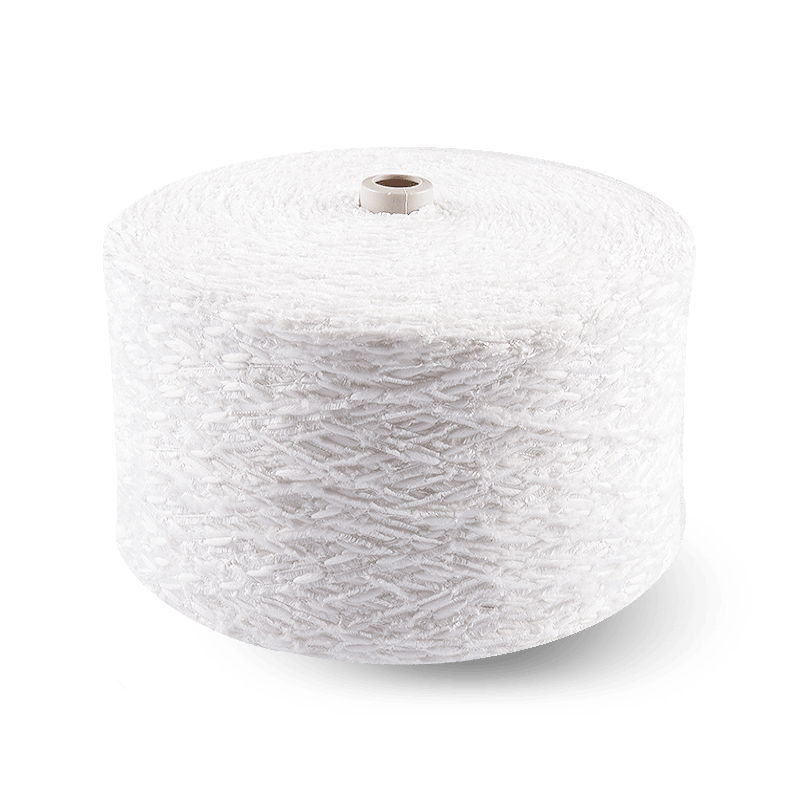
Loop yarn is a kind of fancy yarn, generally composed of core yarn, pressure yarn (sometimes also ca...

 2026.08.25
 Industry News
Content
Chenille yarn is a soft, plush yarn constructed with short pile fibers twisted around a core thread, giving it a fuzzy, velvet-like texture similar to the fabric chenille it is named after. Unlike smooth yarns such as cotton or wool, chenille's construction creates a caterpillar-like appearance, which is actually where the name originates, since "chenille" is the French word for caterpillar. This distinctive texture makes it a popular choice for projects where softness and visual richness matter more than stitch definition, such as baby blankets, plush toys, scarves, and decorative home items.
Crafters are often drawn to chenille yarn because finished projects have a noticeably luxurious feel compared to standard yarns. The dense pile creates a soft, almost velvety surface that many people find appealing for items meant to be touched frequently, such as baby items or cozy throws. However, this same construction also introduces some handling challenges that crafters should understand before starting a project.
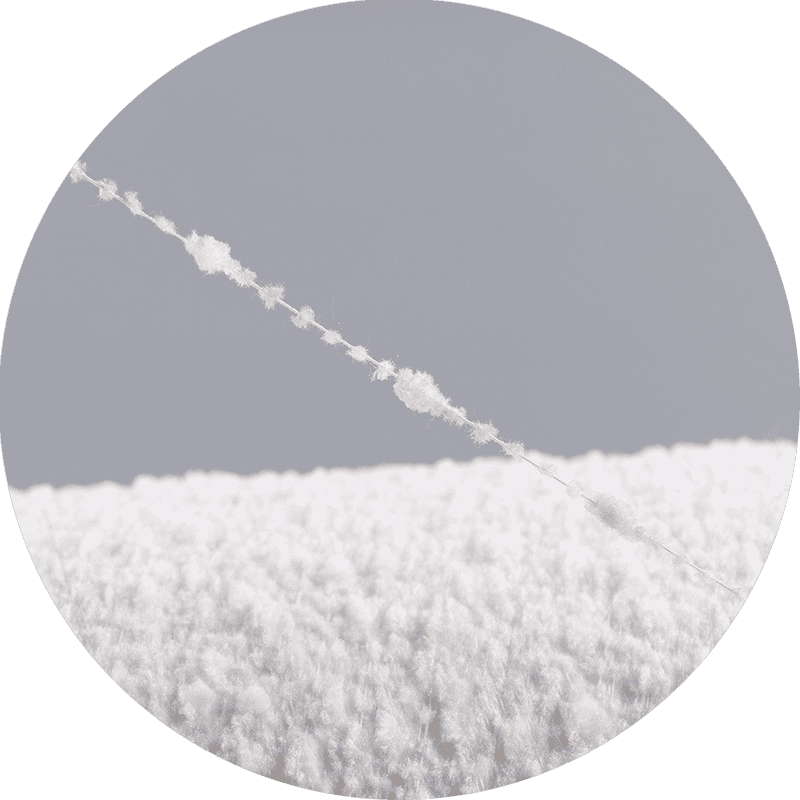
Chenille yarn can be made from several different fiber types, each offering distinct characteristics in terms of softness, durability, and care requirements. The fiber composition significantly affects how the yarn behaves during crafting and how the finished product holds up over time.
| Fiber Type | Softness | Durability | Best Use |
| Acrylic | High | Moderate | Baby blankets, budget projects |
| Cotton | Moderate | Good | Washable items, warm-weather projects |
| Polyester | High | High | Toys, frequently washed items |
| Wool blend | Moderate to high | Good | Cold-weather garments, cozy accessories |
Acrylic chenille remains one of the most popular options due to its affordability and hypoallergenic properties, making it a common choice for baby-related projects. Cotton chenille offers better breathability and is easier to machine wash repeatedly, which suits items that need frequent cleaning. Polyester blends tend to hold their shape and pile density longer, making them a durable option for items subject to heavy handling, such as stuffed toys.
Working with chenille yarn requires some adjustments compared to standard yarns, primarily because its pile construction makes it harder to see individual stitches clearly. This reduced stitch visibility means crafters should choose relatively simple stitch patterns, since intricate cable work or lace patterns often get lost within the yarn's fuzzy texture rather than standing out as intended.
Tension control is another important consideration. Chenille yarn tends to stretch more than standard yarns during crafting, which can lead to uneven stitches if tension is not monitored carefully throughout the project. Many experienced crafters recommend working with a slightly looser tension than usual and using stitch markers more frequently to keep track of pattern repeats, since counting rows visually can be more difficult with this yarn type.
Proper aftercare significantly affects how long a chenille project maintains its soft texture and appearance. Most acrylic and polyester chenille items can be machine washed on a gentle cycle using cold water, though it is generally best to place items in a mesh laundry bag to minimize friction against other items in the wash, which can cause pilling or fiber shedding.
Drying methods matter just as much as washing. High heat from a standard dryer cycle can flatten the pile texture over time, reducing the yarn's signature plush feel. Air drying flat, or using a low-heat tumble dry setting, helps preserve the yarn's loft and prevents excessive shrinkage, particularly for cotton-based chenille blends that are more prone to shrinking under heat exposure.
With appropriate care, chenille yarn projects can retain their softness and appearance through many wash cycles, making them a rewarding choice for gifts and personal items alike. Understanding the fiber options, adjusting technique while working with the yarn, and following proper aftercare all contribute to a finished piece that looks and feels as good months later as it did the day it was completed.


Copyright © Tongxiang Xinsili Textile Co., Ltd. All Rights Reserved. Wholesale High Filament DTY Yarn Manufacturers
